News Summary
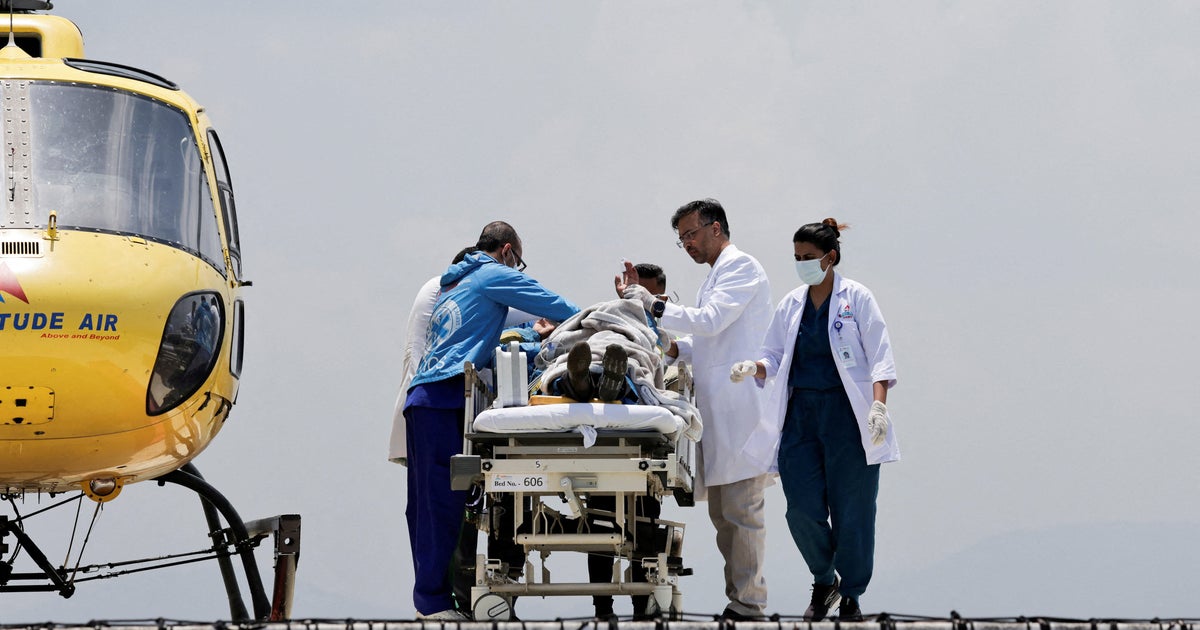
Dawa Sherpa, 57, disappeared on May 30 on the upper slopes of Mount Everest and spent six days crawling toward Base Camp after being left behind when his supplemental oxygen ran out. He was found by the Sagarmatha Pollution Control Committee and airlifted to Kathmandu; doctors treat him for frostbite, severe dehydration, and a fractured thigh and have moved him from intensive care to a ward where he is speaking a little and eating. He said he survived by chewing ice and eating small snacks. His survival has prompted celebration and anger over delays in locating him; the Everest Summiteers Association and Nepal Mountaineering Association have called for an investigation. This season saw at least five climber deaths, a record of more than 1,000 summits (including a single-day record of 274 on May 21), and rising concerns about overcrowding, inexperienced climbers, and the adequacy of oversight despite more than $7 million collected in permit fees by the Nepali government.
Biblical Reflection
From a Christian perspective this story highlights both human resilience and ethical responsibility. The facts point to a genuine rescue and a miraculous survival, but they also raise questions about stewardship, protection of vulnerable workers, and institutional accountability. The article largely reports direct quotes and official figures; it rightly connects the incident to wider concerns about overcrowding and possible negligence, though it relies on appeals to an investigation rather than presenting conclusive fault. Christians should celebrate the life spared and give thanks for care received, while also pressing for truthful inquiry, justice for those harmed, and reforms that protect lives rather than prioritize revenue or spectacle. Mercy calls us to care for the injured and grieving; truth and justice call us to examine systems that put people — especially local guides and Sherpas — at disproportionate risk.
Scripture in context
This outlook does not yet include contextual Scripture citations. Do not treat a general biblical theme as an exegetical conclusion.
Faithful Response
No prescribed response is offered. Consider the reflection prompts below in your own church context.
Reflection and Discussion
- 1Are we willing to let economic gain or adventure culture shape safety standards that put local workers and inexperienced climbers at risk?
- 2How can leaders balance personal freedom to take risks with their duty to protect and equip the most vulnerable involved in those risks?
Sources
Reporting links are evidence inputs; Sanctuary News' biblical reflection is commentary.
This outlook currently relies on fewer than two linked sources. Broaden verification before teaching from it.
- 1.Original reportprimary