News Summary
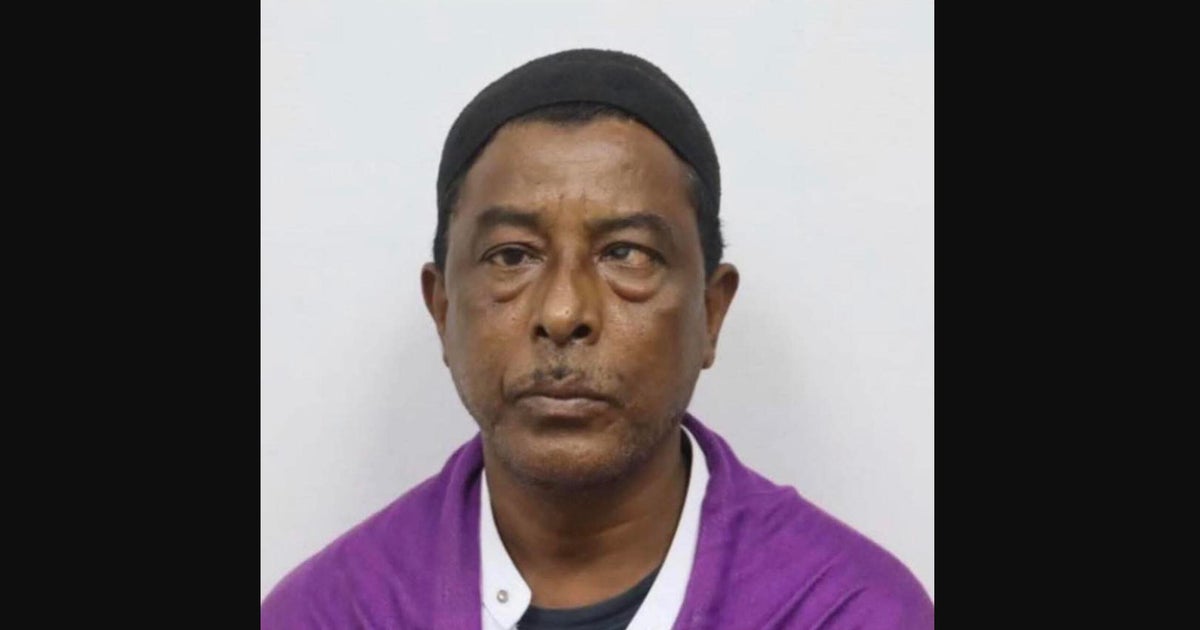
The article details the tragic death of Nurul Amin Shah Alam, a 56-year-old refugee who was nearly blind and suffered from multiple medical conditions. After being released from the custody of U.S. Customs and Border Protection (CBP), Alam was left at a Tim Horton's restaurant in Buffalo, New York, on a cold winter night. He was found dead several days later, with the cause determined to be health-related. Alam had previously been in the custody of the Erie County Sheriff's Office due to an incident involving assault and weapons charges. Although CBP claims Alam showed no signs of distress and was offered a ride to a location near his last known address, officials and his attorney argue he was especially vulnerable and unable to navigate his situation due to his disabilities and language barrier. Buffalo's mayor and a local congressman have called Alam's death preventable and are demanding a thorough investigation, citing a failure to protect a vulnerable individual and a neglect of basic human dignity.
Biblical Reflection
From a biblical perspective, this story is a sobering reminder of the duty to care for the vulnerable and marginalized among us. Scripture consistently teaches that God’s heart is for the foreigner, the poor, and those without protection. In this case, the actions of the authorities—releasing a nearly blind, non-English-speaking refugee with medical needs into the cold, alone, and without notifying his family or providing adequate support—fall short of the biblical standard for justice, compassion, and care. The lack of accountability and the bureaucratic handling of a human life reflect a society that may prioritize procedure over personhood, which stands in contrast to Christ’s call to love our neighbor and defend the cause of the oppressed. This event should compel Christians to advocate for the dignity of all people, challenge systems that dehumanize, and seek justice for those who cannot speak for themselves. It is a call to repentance for indifference and a challenge to embody mercy and justice in public life.
Scripture in context
This outlook does not yet include contextual Scripture citations. Do not treat a general biblical theme as an exegetical conclusion.
Faithful Response
No prescribed response is offered. Consider the reflection prompts below in your own church context.
Reflection and Discussion
- 1How do I respond to the suffering and vulnerability of people who are marginalized or overlooked by society?
- 2In what ways can I advocate for justice and mercy for immigrants, refugees, and those with disabilities in my community?
- 3Where might I need to repent of indifference or complicity in systems that neglect human dignity?
Sources
Reporting links are evidence inputs; Sanctuary News' biblical reflection is commentary.
This outlook currently relies on fewer than two linked sources. Broaden verification before teaching from it.
- 1.Original reportprimary