News Summary
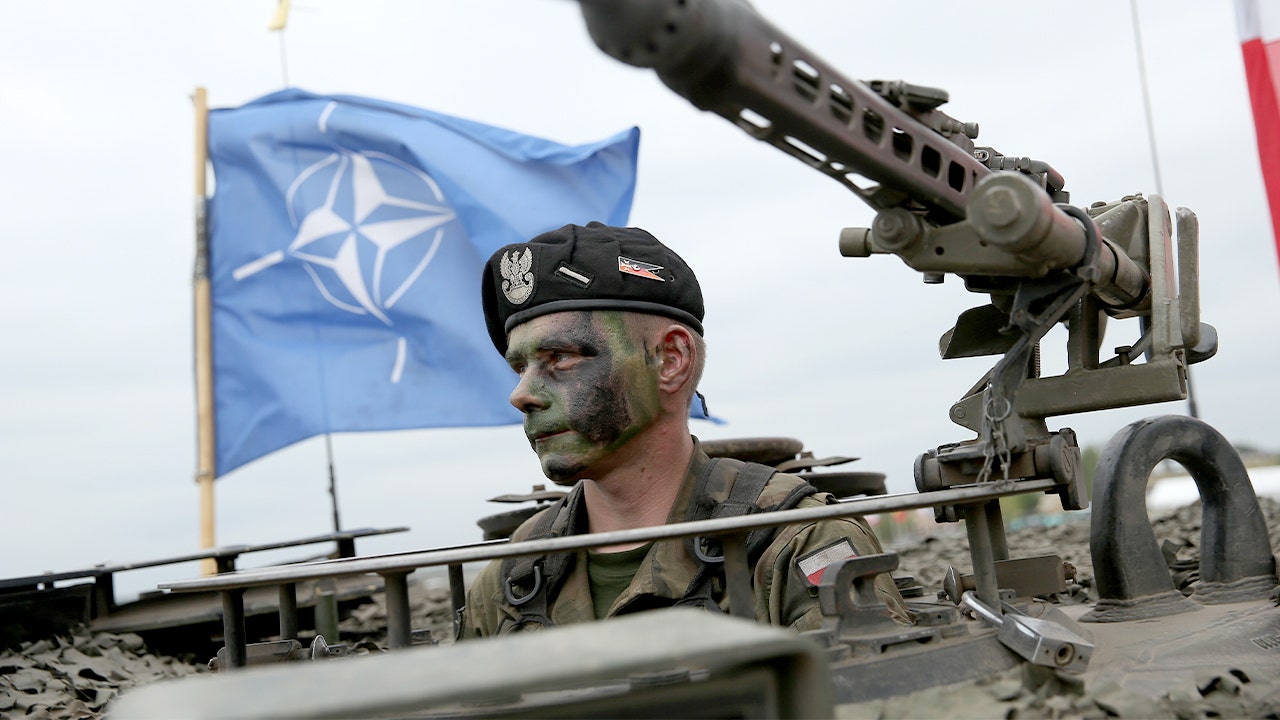
This opinion piece by U.S. Permanent Representative to NATO Matthew Whitaker argues that NATO must convert recent defense spending pledges into operational capabilities ahead of the Ankara summit. It notes that since 2017 European Allies and Canada have increased defense investment by more than $1.2 trillion and that, since the Hague summit, Allies have committed about $139 billion (with roughly half spent on U.S.-made equipment). The article highlights an Alliance pledge to spend five percent of GDP annually on core defense and security-related capabilities, but warns spending remains uneven across members. Whitaker calls for Europe to take primary responsibility for conventional defense while the U.S. provides focused support, including the nuclear deterrent; he emphasizes needs for air and missile defense, tougher training, expanded industrial capacity and U.S.–European defense industrial partnerships, flexible long-term contracts, and measurable milestones and accountability mechanisms to ensure commitments become usable capabilities. The piece credits former President Trump’s pressure for spurring increased Allied investment and urges concrete action at the Ankara summit.
Biblical Reflection
The article advances a clear policy argument: NATO must turn pledges into real deterrent capability and shift more conventional burden to European allies. Its central intentions are deterrence, Alliance resilience, and sustaining a U.S.–European defense industrial base. The framing is advocacy-oriented and credits a particular political actor for recent progress, which signals partisan alignment; it emphasizes American industrial benefit (orders with U.S. companies) alongside security needs. From a Christian pastoral perspective, the call for accountability and faithful stewardship of resources is morally sound — promises should be met with tangible follow-through. At the same time, Christians should weigh the goal of deterrence against the risks of escalation, the human cost of armaments, and the ways economic self-interest can shape security arguments. The piece minimizes alternative perspectives (diplomacy, nonmilitary resilience, small-state concerns about burden-sharing) and treats increased arms and industry partnerships as primarily virtuous. Christians should affirm the legitimate desire to protect the vulnerable and deter aggression, while insisting that strength be pursued with humility, truthfulness about motives and consequences, care for those harmed by conflict, and genuine commitment to pursue peace wherever possible.
Scripture in context
This outlook does not yet include contextual Scripture citations. Do not treat a general biblical theme as an exegetical conclusion.
Faithful Response
No prescribed response is offered. Consider the reflection prompts below in your own church context.
Reflection and Discussion
- 1Are the spending commitments being measured by capability that genuinely deters aggression, or mainly by budgets and contracts that benefit particular industries?
- 2Whose security and whose interests are centered in the narrative — collective European defense and civilian protection, or national economic and political advantage?
- 3Does the emphasis on military readiness leave adequate space for diplomacy, humanitarian preparedness, and protecting civilians if tensions rise?
Sources
Reporting links are evidence inputs; Sanctuary News' biblical reflection is commentary.
This outlook currently relies on fewer than two linked sources. Broaden verification before teaching from it.
- 1.Original reportprimary