News Summary
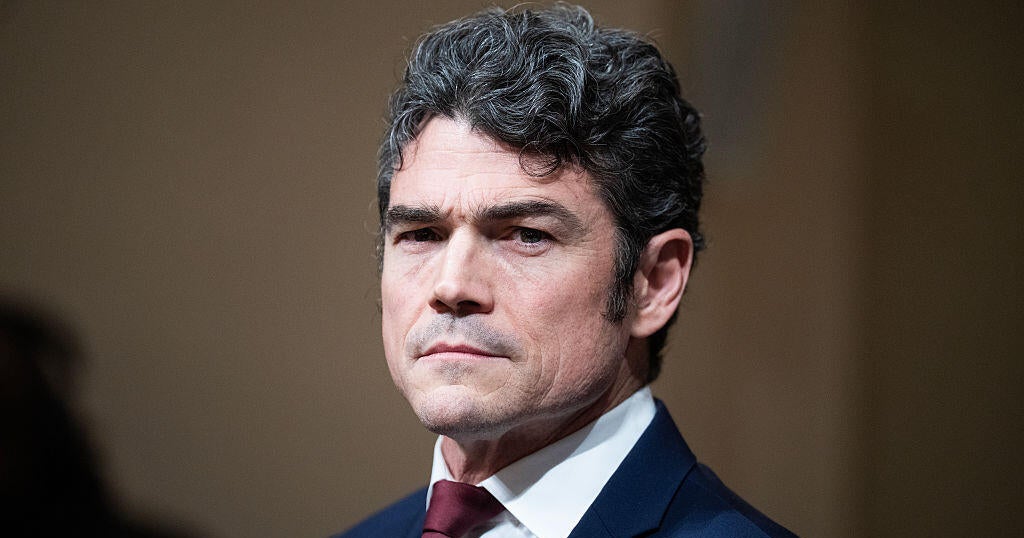
Joe Kent, director of the U.S. National Counterterrorism Center and a Trump appointee confirmed in 2025, announced his immediate resignation, saying he cannot "in good conscience" support the administration's decision to begin a war with Iran. Kent wrote that Iran "posed no imminent threat" to the United States and accused high-ranking Israeli officials and influential U.S. media of running a misinformation campaign that pressured the administration into war. He framed his resignation around the human cost of war — noting his personal loss when his wife was killed by a suicide bomber — and urged President Trump to reverse course. The White House and President Trump pushed back, calling Kent weak on security and asserting the administration had strong evidence Iran intended to attack the U.S. National Intelligence Director Tulsi Gabbard commented that the president has responsibility to judge imminent threats but did not state her own view on whether the intelligence supported the war. An administration official said Kent was not on Iran briefings; Kent is the highest-ranking official in the Trump administration so far to resign over the Iran war.
Biblical Reflection
This story raises urgent spiritual questions about truth, conscience, and the cost of war. Biblically, Christians are called both to seek peace and to speak truth to power. Kent's insistence that he cannot in good conscience participate in a war he judges unjust echoes the prophetic tradition of calling leaders to account when policies risk innocent life (see the prophets' indictments of unjust rulers). At the same time, Scripture warns against hastily embracing unverified claims and falling for deceptive counsel (Proverbs repeatedly urges discernment and wise counsel). Two temptations are visible here: (1) the use of fear, pressure or selective intelligence to push a nation toward armed conflict, which risks violating God’s call to protect the vulnerable and steward lives wisely; and (2) the dismissal of conscientious dissent as weakness without addressing the moral concerns raised. Christians should resist partisan reflexes that either romanticize military action as always righteous or label all military restraint as cowardice. The biblical posture is careful, humble discernment — weighing evidence, valuing human life, advocating for the defenseless, and holding leaders accountable for the consequences of their decisions. Practically, that means praying for truth to surface, seeking reliable information, listening to those who suffer the cost of conflict, and pressing civic leaders toward paths of justice and peace.
Scripture in context
This outlook does not yet include contextual Scripture citations. Do not treat a general biblical theme as an exegetical conclusion.
Faithful Response
No prescribed response is offered. Consider the reflection prompts below in your own church context.
Reflection and Discussion
- 1When leaders justify force, how do I discern between legitimate defense and unnecessary aggression?
- 2How should personal conscience and public duty interact when a believer serves in government or the military?
- 3What concrete steps can I take to pray, seek truth, and promote peace in light of this conflict?
Sources
Reporting links are evidence inputs; Sanctuary News' biblical reflection is commentary.
This outlook currently relies on fewer than two linked sources. Broaden verification before teaching from it.
- 1.Original reportprimary