News Summary
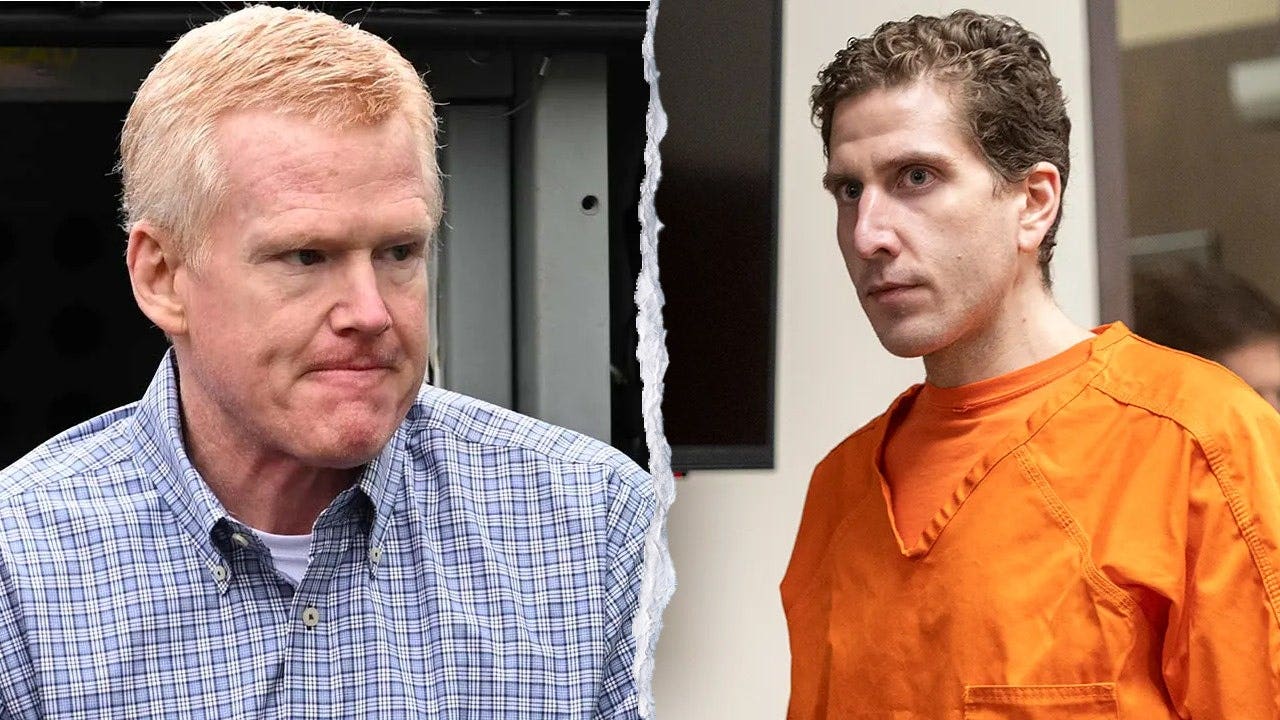
Alex Murdaugh’s defense asked a judge to allow independent testing by Othram Inc. of unknown male DNA recovered from beneath the fingernails of Maggie Murdaugh. Murdaugh was convicted in 2023 of killing his wife and son; that conviction was later overturned and a new trial is tentatively set for April 2027. Prosecutors say the South Carolina Law Enforcement Division (SLED) already tested the sample and found mainly Maggie’s DNA plus a ‘‘very partial and incomplete’’ profile from another contributor that could not be entered into CODIS. Defense attorneys contend further testing could identify an alternate suspect and argue the sample should be examined using Othram’s advanced forensic genetic genealogy methods. The state characterized the request as unsupported and potentially aimed at public messaging rather than sound forensic value. At a June 29, 2026 status hearing Judge Debra McCaslin asked defense counsel to clarify the sample’s viability; she did not rule on the request. The article notes Othram’s role in several high-profile cases (including the Idaho murders investigation that identified Bryan Kohberger) but acknowledges that additional testing may or may not affect the Murdaugh case outcome.
Biblical Reflection
From a Christian perspective this story highlights both the rightful pursuit of truth and the need for humility about what evidence can definitively show. Seeking independent testing can be an appropriate avenue to ensure accuracy and fairness in a retrial, honoring the biblical call to do justice; at the same time, the use of high-profile labs and publicized motions can blur the line between genuine fact-finding and courtroom strategy or public persuasion. The article’s framing leans on Othram’s past successes to suggest hope that new testing could change the case, which risks overstating what any single technique can deliver. Christians should welcome efforts that honestly pursue evidence for the sake of victims and the accused, but also beware of confirmation bias, sensationalism, and using new technologies as substitutes for careful, transparent legal process. Practically, temper both cynicism and premature certainty: insist on rigor in chain of custody, clarity about what a ‘‘partial’’ profile means, and respect for due process while praying for truth and compassion for those harmed.
Scripture in context
This outlook does not yet include contextual Scripture citations. Do not treat a general biblical theme as an exegetical conclusion.
Faithful Response
No prescribed response is offered. Consider the reflection prompts below in your own church context.
Reflection and Discussion
- 1Are we allowing technological promise and dramatic past cases to shape our expectations of what new DNA testing can actually prove?
- 2Is the request aimed primarily at finding truth, or could it be serving legal strategy and public relations—and how would that affect our judgment?
- 3How should Christians hold both victims and the accused in tension: advocating for rigorous investigation while resisting rushes to certainty?
Sources
Reporting links are evidence inputs; Sanctuary News' biblical reflection is commentary.
This outlook currently relies on fewer than two linked sources. Broaden verification before teaching from it.
- 1.Original reportprimary