News Summary
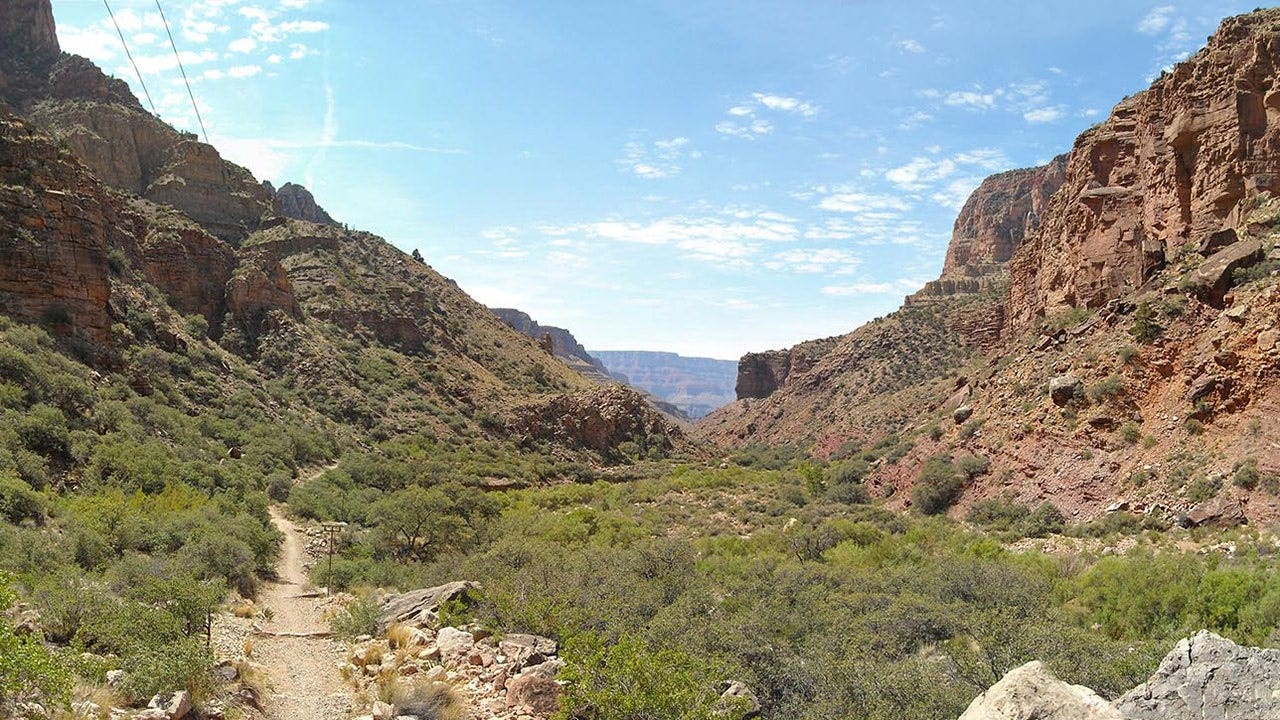
The National Park Service reported multiple heat-related deaths at Grand Canyon National Park in June 2026. On June 12, a 72-year-old man died on the South Kaibab Trail from symptoms consistent with heat-related illness. On June 16, a 67-year-old man and a 68-year-old woman were found deceased on the North Kaibab Trail; those cases also appear to be heat-related and are under investigation. Separately, on June 3 an 18-year-old man experienced heat-related symptoms below Havasupai Gardens on the Bright Angel Trail and died despite ranger response and a helicopter rescue attempt. NPS noted inner-canyon daytime temperatures can exceed 109°F; responders transported the deceased to the Coconino County Medical Examiner and investigations are ongoing.
Biblical Reflection
The article conveys straightforward, sourced reporting from the National Park Service about tragic, heat-related fatalities. Its immediate moral contours are plain: human vulnerability before natural hazards and the limits of individual preparation when heat is extreme. Christians should resist quick fault-finding or politicizing these deaths; instead, practice truth by taking the facts seriously, mercy by grieving for victims and families, and humility by acknowledging human frailty. The piece also raises a neighbor-love responsibility: public agencies, churches, and communities can ensure clear warnings, education, and support for vulnerable visitors rather than simply assigning blame. While the article does not advance broader causal claims, readers should note the wider context that extreme heat increases risk for outdoor recreation and that accurate public information and compassionate responses are practical expressions of Christian care.
Scripture in context
This outlook does not yet include contextual Scripture citations. Do not treat a general biblical theme as an exegetical conclusion.
Faithful Response
No prescribed response is offered. Consider the reflection prompts below in your own church context.
Reflection and Discussion
- 1Does the reporting emphasize individual choice over collective responsibility for visitor safety, and how might that shape our judgments about the victims?
- 2Are we receiving and sharing safety information with humility and love, or turning tragedy into partisan argument?
- 3How should faith communities respond to recurring natural hazards in their regions — with prayer alone, or by partnering in practical prevention and aid?
Sources
Reporting links are evidence inputs; Sanctuary News' biblical reflection is commentary.
This outlook currently relies on fewer than two linked sources. Broaden verification before teaching from it.
- 1.Original reportprimary