News Summary
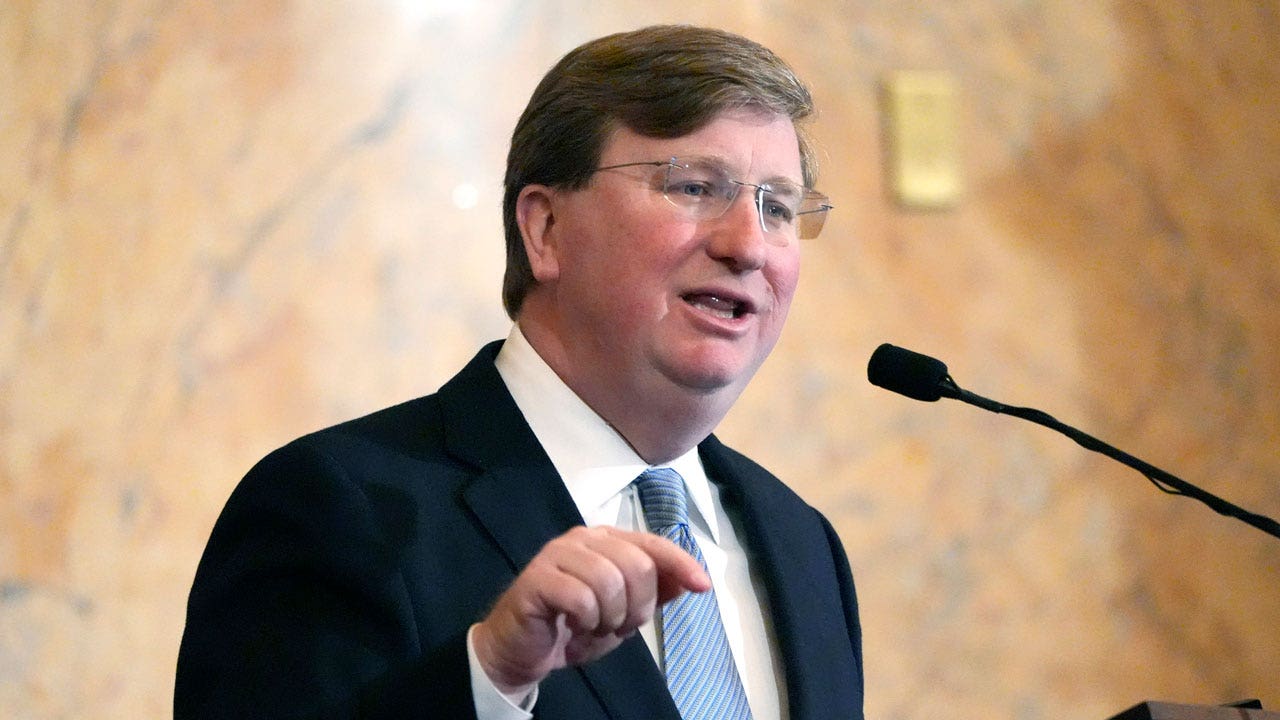
Mississippi Governor Tate Reeves announced he will call a special legislative session to redraw electoral district lines after the U.S. Supreme Court issues its decision in Louisiana v. Callais. Reeves said the session would begin 21 days after the Court rules. Louisiana v. Callais challenges Louisiana’s 2024 congressional map, which added a second majority-Black district and is alleged to be an unconstitutional racial gerrymander; the case raises questions about how the Voting Rights Act is applied. The outcome could affect ongoing redistricting disputes nationwide and has implications for a separate Mississippi lawsuit requiring the state to redraw its Supreme Court district lines, a suit brought by groups including the Southern Poverty Law Center and the ACLU that alleges dilution of Black voting strength. The U.S. Fifth Circuit paused enforcement of a lower-court ruling in Mississippi pending the Supreme Court’s decision in Callais. The Supreme Court’s conservative majority has signaled openness to narrowing part of the Voting Rights Act; a decision is expected by the summer. The article was published by Fox News and includes commentary about potential broader impacts on how states draw electoral maps.
Biblical Reflection
This story sits at the intersection of law, political power, and racial justice. Objectively, the governor is asserting a constitutional prerogative for the state legislature to redraw maps once the Supreme Court clarifies legal standards. At the same time, the underlying dispute concerns whether minority voters’ ability to elect representatives has been diluted—an issue that touches the biblical commitments to justice and protecting the vulnerable. Media coverage will often emphasize political advantage or legal technicalities; readers should note that both legal rulings and political decisions can have real effects on communities that have historically faced exclusion. From a Scriptural perspective, Christians should weigh competing goods: respect for lawful civic order and institutions (Romans 13) alongside a call to seek justice and defend the rights of those marginalized (Isaiah 1:17; Micah 6:8). Beware of framings that reduce the issue to partisan advantage alone or that dismiss concerns about minority representation as merely tactical. The truth is often that laws and maps shape who has voice and power; Christians are called to truth-telling, to care for the neighbor, and to advocate for systems that reflect justice and dignity for all persons.
Scripture in context
This outlook does not yet include contextual Scripture citations. Do not treat a general biblical theme as an exegetical conclusion.
Faithful Response
No prescribed response is offered. Consider the reflection prompts below in your own church context.
Reflection and Discussion
- 1Which voices and interests are centered in the article’s framing—state authority, partisan advantage, or protections for minority voters—and how does that influence what facts are emphasized or downplayed?
- 2How should Christians weigh the biblical calls both to respect lawful civic authority and to pursue justice for those whose political voice may be diminished by legal or procedural changes?
- 3What assumptions about fairness, race, and representation are embedded in legal arguments about redistricting, and how might those assumptions shape long-term civic outcomes?
Sources
Reporting links are evidence inputs; Sanctuary News' biblical reflection is commentary.
This outlook currently relies on fewer than two linked sources. Broaden verification before teaching from it.
- 1.Original reportprimary