News Summary
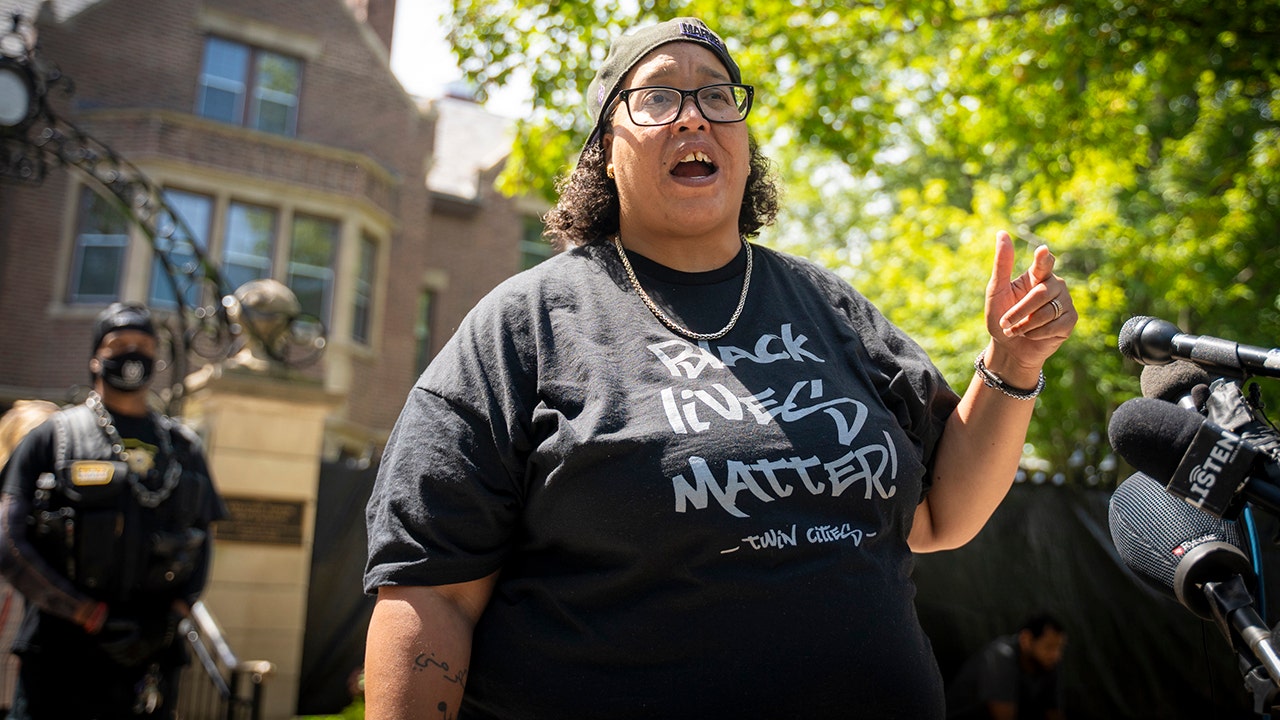
The article details an incident in which Chauntyll Allen, a member of the St. Paul Board of Education and a Black Lives Matter activist, was arrested after leading a protest that stormed a church in St. Paul, Minnesota. The protest targeted a pastor who is also an agent for Immigration and Customs Enforcement (ICE). Videos of the event show churchgoers fleeing as activists confront the pastor and disrupt the service. Allen, along with two others, was charged with conspiracy to deprive others of their constitutional rights. State Representative Elliott Engen criticized Allen and the broader trend of activism in school boards, arguing that they prioritize activism over education. Allen defended her actions by referencing the biblical account of Jesus overturning tables in the temple, suggesting the protest was necessary to expose injustice. The incident has prompted legal action and intense debate over the boundaries of protest, activism, and the sanctity of worship spaces.
Biblical Reflection
From a biblical perspective, this story raises serious concerns about the means and motives behind activism, especially when it disrupts a place of worship. Scripture calls Christians to seek justice (Micah 6:8) but also to act with humility, respect, and peace (Romans 12:18). Jesus did overturn tables in the temple, but He did so to correct corruption within His Father's house, not to target individuals based on their secular vocations or to intimidate worshippers. The storming of a church service with aggressive confrontation and causing panic among congregants contradicts the biblical call to pursue justice with mercy and respect for others' dignity and rights. Moreover, using a place of worship as a battleground for political grievances risks undermining the church's role as a sanctuary for all people and a house of prayer. The New Testament repeatedly urges believers to let their actions be marked by love, peace, and self-control (Galatians 5:22-23). While advocacy for the oppressed is a biblical mandate, it must never come at the expense of violating others' rights or sowing fear and chaos in sacred spaces.
Scripture in context
This outlook does not yet include contextual Scripture citations. Do not treat a general biblical theme as an exegetical conclusion.
Faithful Response
No prescribed response is offered. Consider the reflection prompts below in your own church context.
Reflection and Discussion
- 1In what ways can Christians stand up for justice without compromising peace and respect for others?
- 2How should believers respond when they feel called to confront wrongdoing within institutions or individuals?
- 3What boundaries should be observed when expressing dissent or protesting, especially in sacred or communal spaces?
Sources
Reporting links are evidence inputs; Sanctuary News' biblical reflection is commentary.
This outlook currently relies on fewer than two linked sources. Broaden verification before teaching from it.
- 1.Original reportprimary