News Summary
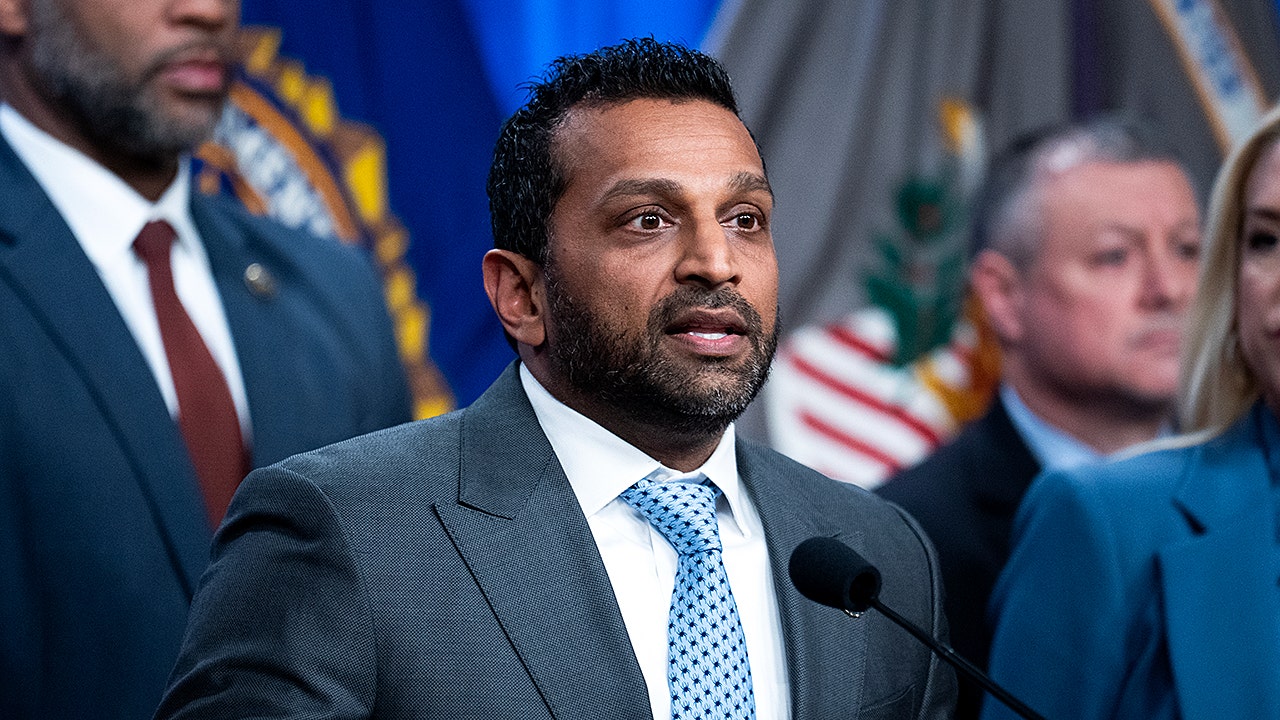
FBI Director Kash Patel announced that Said Abdullahi Ereg, a 47-year-old former Minneapolis grocery and deli owner, surrendered to federal authorities and was taken into custody; he is the first person arrested after the Justice Department and White House Task Force released the "Most Wanted Fraudsters" list. Ereg faces federal charges of conspiracy to commit wire fraud, wire fraud, and money laundering related to an alleged scheme that obtained more than $4.2 million from the Federal Child Nutrition Program during the COVID-19 pandemic. Authorities say Ereg operated Evergreen Grocery and Deli under sponsorship from the nonprofit Feeding Our Future and allegedly falsely claimed to have served thousands of meals, sought government reimbursements for those meals, laundered proceeds through foreign accounts, and used funds to support a lavish lifestyle. Ereg had been wanted since 2024; his attorney contacted authorities and he surrendered shortly after the list was published. The DOJ noted that Ereg’s wife, Najmo Ahmed, who worked at the business and received payroll from Feeding Our Future, pleaded guilty last year to money laundering and is due to be sentenced this month. DOJ officials, including Acting Attorney General Todd Blanche and others, framed the arrest as part of a broader fraud-crackdown effort tied to a new National Fraud Enforcement Division and the White House Task Force to Eliminate Fraud.
Biblical Reflection
From a Christian perspective this story raises clear concerns about justice, stewardship and care for the vulnerable. The charges, if proven, describe theft from a program designed to feed children—an especially grievous harm because it targets those who depend on public care. Christians should welcome accountability for corruption that harms neighbors and public trust, while also remembering the legal principles of due process and presumption of innocence until guilt is proven. Be alert to the way law-enforcement successes are publicly framed: governments and media may highlight arrests to demonstrate policy wins, which can be appropriate but can also compress complex legal processes into political messaging. Pastoral wisdom calls for three responses: seek truth (support transparent, fair investigations and trials), show compassion (advocate for victims and restoration for those harmed), and pursue restoration where possible (restitution, reform of oversight for public programs). Finally, guard against triumphalism: celebrating an arrest does not substitute for systemic reforms to prevent future abuse or for spiritual work that leads offenders toward repentance and restitution.
Scripture in context
This outlook does not yet include contextual Scripture citations. Do not treat a general biblical theme as an exegetical conclusion.
Faithful Response
No prescribed response is offered. Consider the reflection prompts below in your own church context.
Reflection and Discussion
- 1How does the way this arrest is presented—emphasizing 'first' and 'historic'—shape public perception of the administration's anti-fraud efforts, and are there risks of conflating enforcement with political messaging?
- 2What safeguards and oversight failures allowed public funds meant for children to be diverted, and how should Christians advocate for systems that better protect the vulnerable?
- 3Are we holding to both justice and mercy: insisting on accountability while remembering the human dignity and the possibility of repentance and restoration for those accused?
Sources
Reporting links are evidence inputs; Sanctuary News' biblical reflection is commentary.
This outlook currently relies on fewer than two linked sources. Broaden verification before teaching from it.
- 1.Original reportprimary