News Summary
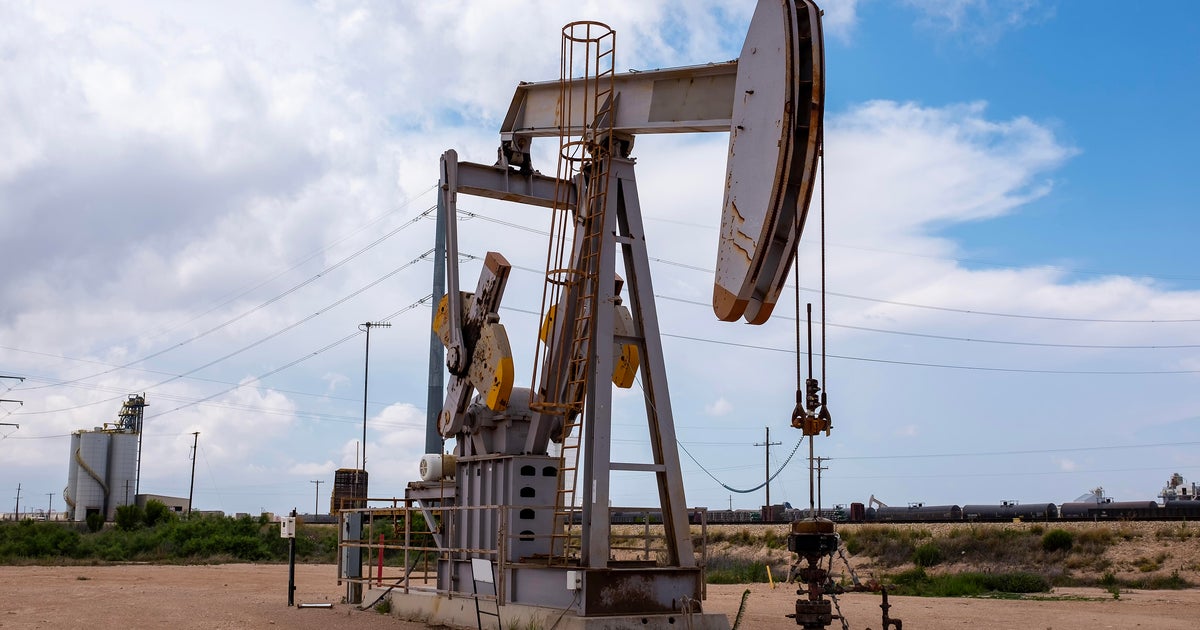
Rystad Energy estimates that soaring crude prices tied to the Middle East conflict could produce roughly $63 billion in additional sales for U.S. shale producers if prices push past $100 per barrel. Rystad projects U.S. free cash flow of about $99 billion if oil averages $70 per barrel for the year, and $162 billion at $100 per barrel. Major companies positioned to benefit include BP, Chevron, ConocoPhillips, ExxonMobil and Shell. Brent crude briefly topped $119 amid concerns about disruptions after Iran effectively blocked the Strait of Hormuz following hostilities tied to February 28 events; Brent later settled around $108.65. The U.S. is producing about 13 million barrels per day and is a net oil exporter. Analysts caution that gains could be short-lived: very high prices may cause demand destruction, reduce consumer spending (which drives roughly two-thirds of U.S. economic activity), and risk slowing the broader economy if the disruption continues. Energy executives told White House officials they worry about economic fallout. U.S. shale producers are unlikely to rapidly ramp up output due to strategic caution and a limited inventory of drilled-but-uncompleted wells, and some companies may prefer to take a pause and enjoy higher cash returns rather than quickly expanding production in volatile conditions.
Biblical Reflection
From a biblical perspective this story raises several moral and spiritual concerns. The situation shows how human conflict creates collateral suffering while providing profit to others. Scripture repeatedly warns against finding security or identity in wealth (Luke 12:15; 1 Timothy 6:10) and condemns gaining at the expense of the vulnerable (Proverbs 22:16; Isaiah 10:1–2). Short-term windfalls that come because others are harmed call Christians to examine motives: are higher profits pursued with stewardship, justice, and compassion, or with greed and indifference to others’ suffering? Leaders and companies bear responsibility to steward resources wisely (Matthew 25:14–30) and to consider the vulnerable who will feel the pinch of higher energy costs—working families, the elderly on fixed incomes, and countries dependent on affordable fuel. The wider political dimension invites a call to peacemaking: when geopolitical conflict drives markets, Christians are reminded of Jesus’ blessing of peacemakers (Matthew 5:9) and the biblical call to seek the welfare of the city and pursue peace (Jeremiah 29:7). Practically, believers should pray for and advocate policies that protect the vulnerable, encourage honest transparency from leaders and markets, resist the idol of profit, and use any material blessing to serve neighbors and promote reconciliation rather than exploitation.
Scripture in context
This outlook does not yet include contextual Scripture citations. Do not treat a general biblical theme as an exegetical conclusion.
Faithful Response
No prescribed response is offered. Consider the reflection prompts below in your own church context.
Reflection and Discussion
- 1When news of profits tied to conflict reaches you, how does your heart respond—indifference, celebration, unease, or compassion—and why?
- 2If your family or church resources increased because of higher energy prices, how would you use that blessing to care for those harmed by the price spike?
- 3What practical steps can you take to advocate for policies or practices that protect the economically vulnerable when markets shift due to geopolitical crises?
Sources
Reporting links are evidence inputs; Sanctuary News' biblical reflection is commentary.
This outlook currently relies on fewer than two linked sources. Broaden verification before teaching from it.
- 1.Original reportprimary