News Summary
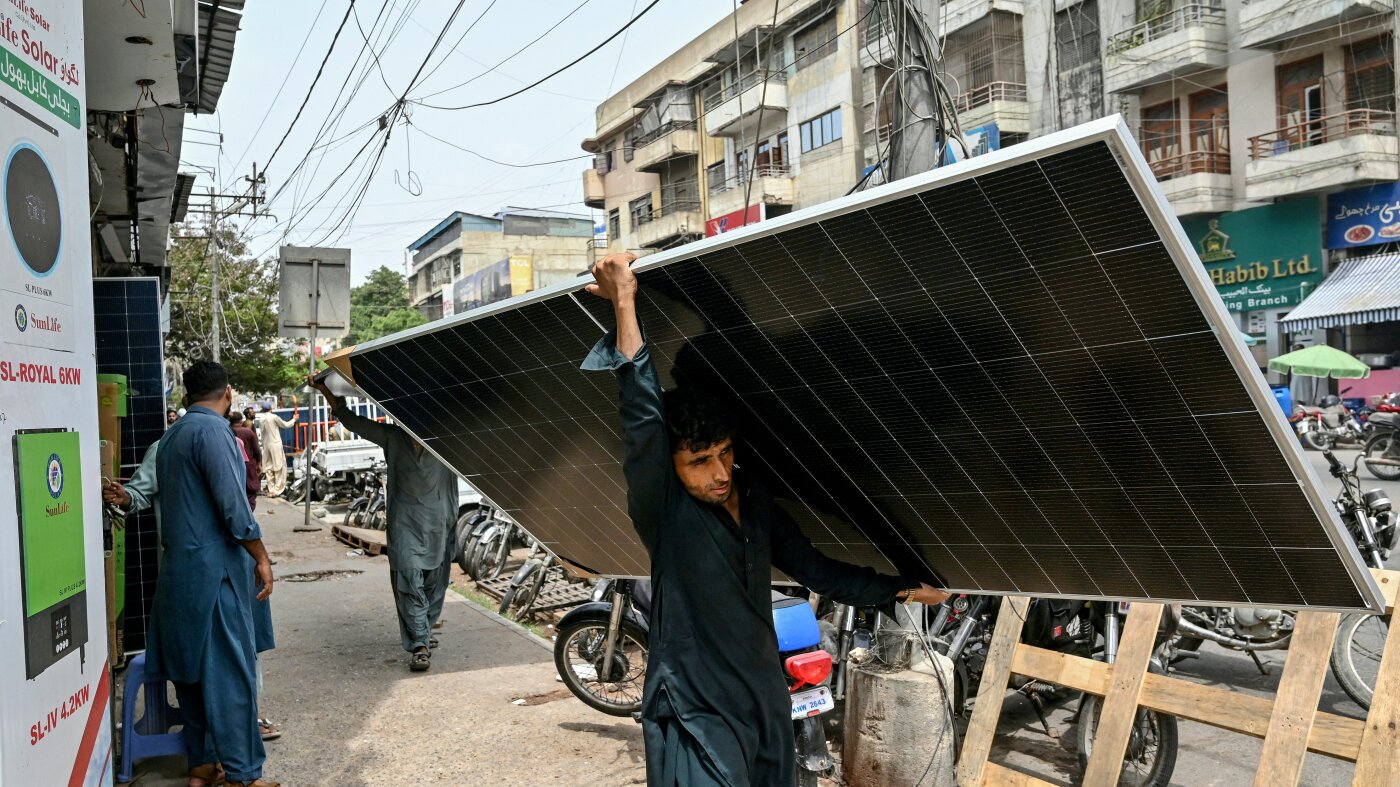
The article links a surge in oil and natural gas prices to an escalating Middle East conflict—citing closures of the Strait of Hormuz and halted LNG production in Qatar—which together have removed a substantial share of global fossil fuel supply. Energy experts argue that the rapid adoption of renewables, batteries, and electric vehicles has increased resilience for some countries. Examples include China (where a majority of new car sales are electric), Nepal (over 70% EV share of new cars), and especially Pakistan, which has imported large volumes of solar panels from China (about 41 GW since 2023) and has significantly grown solar and battery capacity. This expansion has helped Pakistan reduce LNG imports and cushion its electricity sector against global gas shocks, though transportation remains vulnerable to fuel price spikes. The article notes lessons taken from Europe after Russia’s 2022 invasion of Ukraine—some countries pursued renewables to reduce gas dependence, while others shifted to LNG imports. Analysts quoted suggest the current crisis increases political pressure and practical incentives to favor solar, wind, batteries, and EVs as both cost and security solutions.
Biblical Reflection
Biblically, this story invites two main reflections: prudence in stewardship and the pursuit of the common good, and the sober recognition of how human conflicts produce injustice and suffering. The nations adopting renewables and electrification are exercising prudence and planning—qualities Scripture commends—as they reduce dependence on volatile resources and protect vulnerable populations from economic shocks (Proverbs repeatedly commends wise planning). Pursuing cleaner, more distributed energy can also reflect the biblical call to care for creation (Genesis 2:15) and to love one’s neighbor by reducing the burdens that price spikes place on the poor.
At the same time, the article underscores how war and geopolitical rivalry (here, in the Middle East) inflict harm on civilians and global systems—an indictment of human sinfulness and the corrosive effects of power struggles (James 4:1–3). Christians should therefore welcome measures that lessen harm and increase resilience, while resisting any tendency to idolize technology or national self-interest. Technology is a gift when used with humility and justice; it can be misused if policies ignore equitable access, enable corruption, or worsen displacement and labor abuses associated with large projects. Finally, the encouragement toward renewables should not become an excuse to neglect peacemaking: the root problem is human brokenness that leads to conflict, and the Gospel calls Christians to pursue peace and justice alongside wise stewardship of creation.
Scripture in context
This outlook does not yet include contextual Scripture citations. Do not treat a general biblical theme as an exegetical conclusion.
Faithful Response
No prescribed response is offered. Consider the reflection prompts below in your own church context.
Reflection and Discussion
- 1Where am I personally called to exercise prudent stewardship of resources in ways that protect others from harm?
- 2How can my church or community support equitable access to resilient energy solutions for the poor and vulnerable?
- 3In what ways should our concern for creation and for peace shape how we evaluate technological and policy responses to crises?
Sources
Reporting links are evidence inputs; Sanctuary News' biblical reflection is commentary.
This outlook currently relies on fewer than two linked sources. Broaden verification before teaching from it.
- 1.Original reportprimary