News Summary
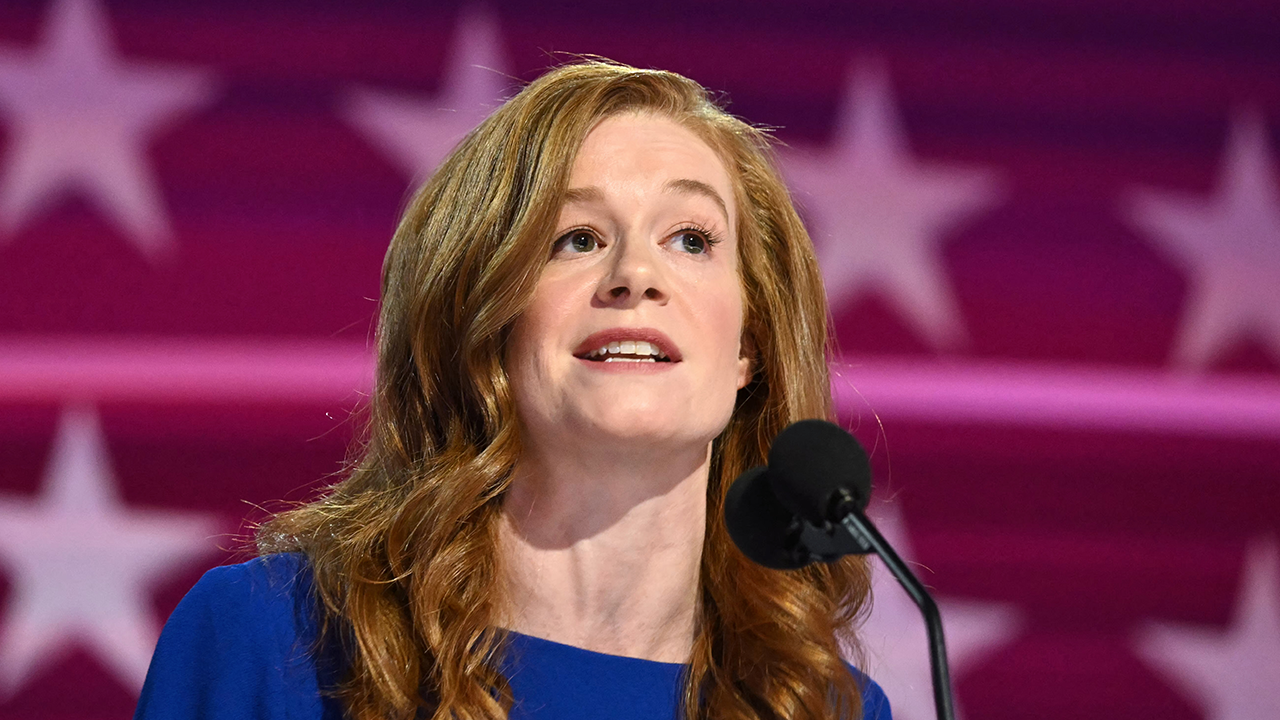
Fox News reports that Michigan state Senator and 2026 Senate primary candidate Mallory McMorrow defended her past voting record, deleted social media posts, and statements about her residency during a CNN "Inside Politics" interview. McMorrow said she and her family decided to move permanently to Michigan in 2014 but that the physical move took about two years; she explained this transitional living arrangement as the reason she voted in California in 2016. A separate report cited by the article alleges roughly 6,000 deleted tweets and past comments about rural America, manufacturing jobs and residency timing. Primary opponent Rep. Haley Stevens criticized those deleted posts and past comments as out of touch and argued they could hurt Democrats in a general election. McMorrow said deleting old tweets was a routine social-media cleanup, affirmed that intentionally voting in a different state after a permanent move is illegal, acknowledged she could have worded her timeline more clearly, and framed some of the criticism as political. The article quotes both McMorrow and Stevens and notes the story developed amid the 2026 Democratic primary in a battleground Senate race.
Biblical Reflection
A biblical lens values truth, accountability, and humility in public life. The core factual issue here is about residency, voting eligibility, and how past statements are represented and explained under scrutiny. Christians should note two things: (1) Integrity matters — public leaders are rightly held to clear standards of truthfulness and responsibility because their conduct affects public trust. (2) Context and motive matter — some controversies are genuine ethical failures, while others arise from sloppy communication, transitional life circumstances, or partisan framing. Media stories often select details and quotes that highlight conflict; this article emphasizes criticism and the number of deleted tweets, which can shape readers to see scandal even where the substantive legal or ethical question is narrow. That doesn't excuse evasiveness or obfuscation, but it does call for careful discernment: verify factual claims (dates, voting records, laws) rather than relying on charged language or volume of deleted posts as proof of bad faith. Spiritually, Christians should hold leaders to truth and also practice measured judgment — seeking facts, calling for clear answers when laws or ethics are in question, and avoiding rushes to character assassination rooted in partisan advantage. Finally, the moment is an opportunity to pray for leaders to show repentance where needed, for voters to seek truth over spectacle, and for the church to model balanced discernment and grace.
Scripture in context
This outlook does not yet include contextual Scripture citations. Do not treat a general biblical theme as an exegetical conclusion.
Faithful Response
No prescribed response is offered. Consider the reflection prompts below in your own church context.
Reflection and Discussion
- 1Is the coverage focused on substantive legal or policy concerns (residency and voting rules), or is it emphasizing character scandal and partisan advantage — and how would that affect my impression?
- 2What facts would clarify whether this is a matter of intentional wrongdoing, sloppy communication, or political attack, and where can I reliably verify those facts?
- 3How can Christians hold public figures accountable for honesty without lapsing into cynical or vindictive behavior that treats opponents as irredeemable?
Sources
Reporting links are evidence inputs; Sanctuary News' biblical reflection is commentary.
This outlook currently relies on fewer than two linked sources. Broaden verification before teaching from it.
- 1.Original reportprimary