News Summary
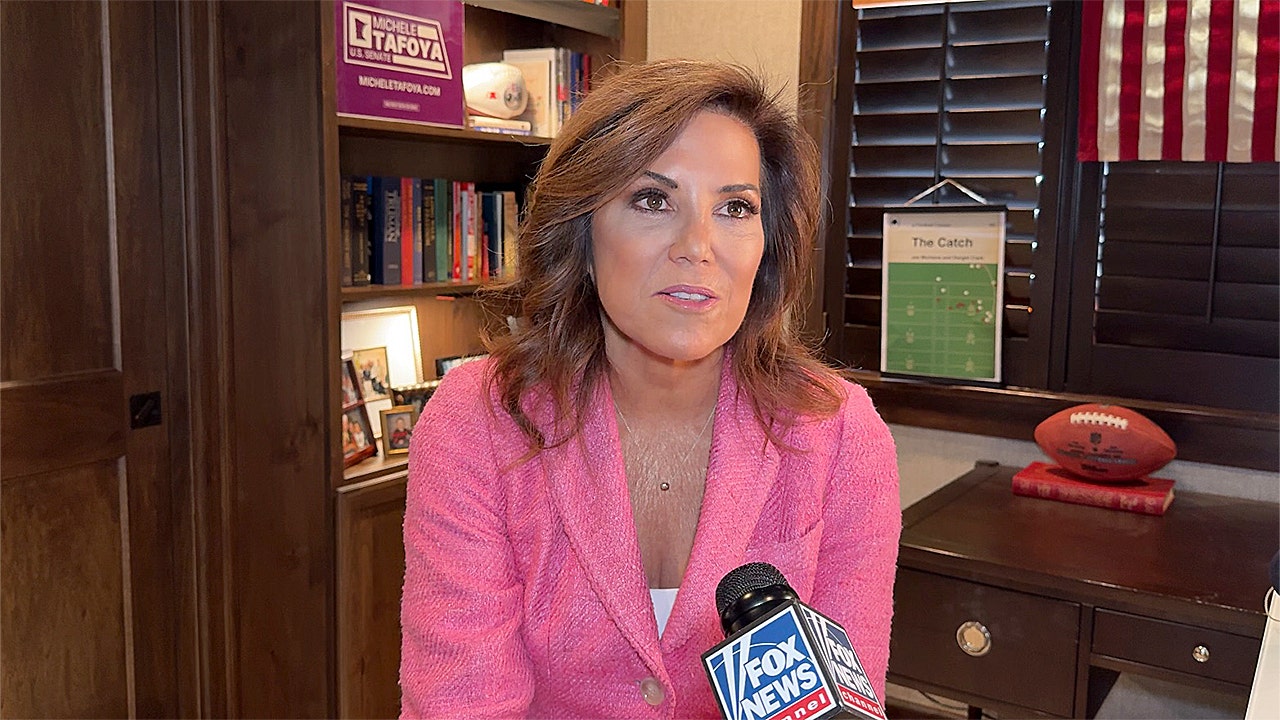
Former Sunday Night Football reporter Michele Tafoya appeared on the Ruthless podcast and said journalism has declined, describing changes in professional norms and questioning whether the industry can return to earlier standards. Her remarks referenced a recent episode in which Diana Russini, a reporter for The New York Times’ Athletic, resigned after Page Six published photos of Russini and New England Patriots head coach Mike Vrabel together at a resort; both Russini and Vrabel denied impropriety. On the podcast, co-host John Ashbrook also cited criticism of political journalists for missing reporting on other stories, including allegations involving Rep. Eric Swalwell. Tafoya expressed skepticism that journalism is fixable but praised examples of local or independent reporting (naming Nick Shirley). The article notes broader polling that trust in traditional media is low (citing a Gallup figure). The piece also reports that Tafoya is running in the Republican primary for U.S. Senate in Minnesota, where she is competing with Adam Schwarze and Royce White; Minnesota’s primary is August 11, 2026, and the general election is November 3, 2026. The Ruthless podcast series is profiling GOP candidates ahead of the midterms.
Biblical Reflection
From a Christian perspective, this story raises two intertwined concerns: the pursuit of truth and the stewardship of public trust. Scripture calls believers to love truth and to practice integrity; when media institutions prioritize traffic, partisanship, or sensational photos over careful verification and proportional reporting, public trust erodes and social discourse suffers. The article itself is reporting Tafoya’s evaluative comments and connecting them to a specific personnel incident and broader polling; readers should note the selection of examples (a tabloid photo story, criticism of political coverage, and a handpicked praise of a particular local reporter) that support a narrative of decline. That pattern can reflect a legitimate critique of incentives in modern media, but it can also be used to amplify distrust or partisan narratives. Christians should neither reflexively accept every media critique nor succumb to cynicism. Instead we should seek corroborated facts, weigh motives and incentives behind reporting, and call for repentance and reform where truth and accountability have been abandoned. We should also remember the dignity of individuals involved (reporters, public figures) and avoid participating in rumor or shaming. Finally, as Tafoya is a political candidate, readers should be aware of the dual role she occupies here—as commentator and as a candidate—which may shape how her statements are framed and used.
Scripture in context
This outlook does not yet include contextual Scripture citations. Do not treat a general biblical theme as an exegetical conclusion.
Faithful Response
No prescribed response is offered. Consider the reflection prompts below in your own church context.
Reflection and Discussion
- 1What incentives (financial, partisan, or attention-driven) might shape which journalism examples are highlighted in this article, and how does that affect your assessment of the claim that journalism as a whole is in decline?
- 2How should Christians balance healthy skepticism of institutions with the call to avoid slander and to give people a chance for accountability and restoration?
- 3When a public figure who is also a political candidate criticizes media practices, how should you separate their commentary as a professional observation from their role in a campaign narrative?
Sources
Reporting links are evidence inputs; Sanctuary News' biblical reflection is commentary.
This outlook currently relies on fewer than two linked sources. Broaden verification before teaching from it.
- 1.Original reportprimary