News Summary
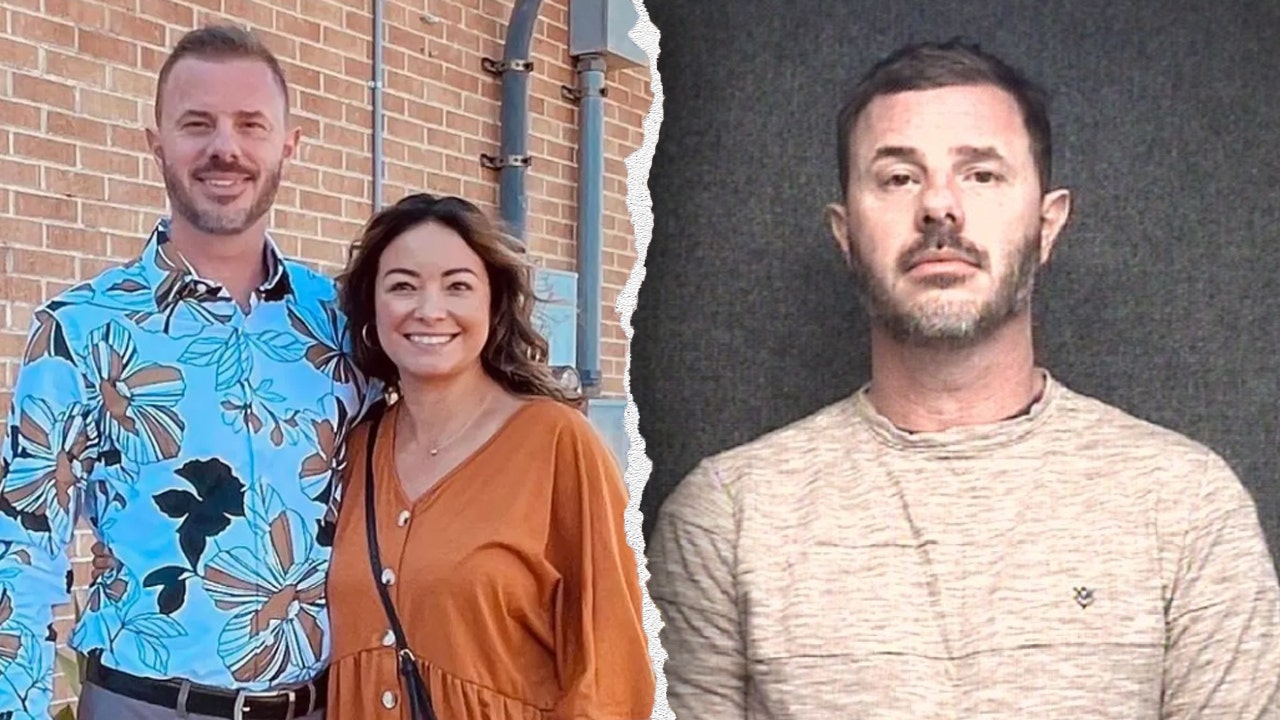
South Carolina pastor John-Paul Miller has been federally charged with cyberstalking his estranged wife, Mica Miller, for more than a year leading up to her suicide in April 2024. According to federal indictments, Miller engaged in persistent harassment, including sending frequent unwanted messages, interfering with her finances, damaging her car, and posting intimate photos online without her consent. He is also accused of lying to investigators about his actions. Mica Miller's death was ruled a suicide by the medical examiner. The case has brought renewed attention to the seriousness of domestic abuse, particularly nonphysical forms, and the broader impact of such behavior. The Robeson County Sheriff's Office emphasized that decisions in the investigation were based on evidence, and the case continues to prompt public discussion about justice for Mica and the role of abuse in her death. John-Paul Miller faces potential prison time and substantial fines if convicted.
Biblical Reflection
This article is a sobering reminder of the dangers and consequences of abuse, even within Christian communities and leadership. Scripture is clear that those who shepherd God's people are to be above reproach, gentle, and loving (1 Timothy 3:2-3). The behavior alleged—harassment, intimidation, and deception—stands in direct opposition to Christ's call to love our neighbors, especially spouses, with sacrificial and protective love (Ephesians 5:25). The misuse of power and violation of trust by a spiritual leader brings deep harm not only to individuals but to the witness of the Church itself. Furthermore, the tragic outcome underscores the need for vigilance, compassion, and intervention in situations of abuse, as well as the importance of supporting those who suffer in silence. While legal processes must determine guilt or innocence, the scriptural imperative is clear: abuse—whether physical, emotional, or digital—has no place in the life of a believer or in the Church. Christians are called to be agents of healing, justice, and restoration, especially for the vulnerable.
Scripture in context
This outlook does not yet include contextual Scripture citations. Do not treat a general biblical theme as an exegetical conclusion.
Faithful Response
No prescribed response is offered. Consider the reflection prompts below in your own church context.
Reflection and Discussion
- 1How can I be more attentive to signs of abuse—physical, emotional, or digital—in my community or church?
- 2What steps can I take to ensure my words and actions reflect Christlike love and respect, especially toward those closest to me?
- 3What is my responsibility as a Christian when I become aware of injustice or suffering among those around me?
Sources
Reporting links are evidence inputs; Sanctuary News' biblical reflection is commentary.
This outlook currently relies on fewer than two linked sources. Broaden verification before teaching from it.
- 1.Original reportprimary