News Summary
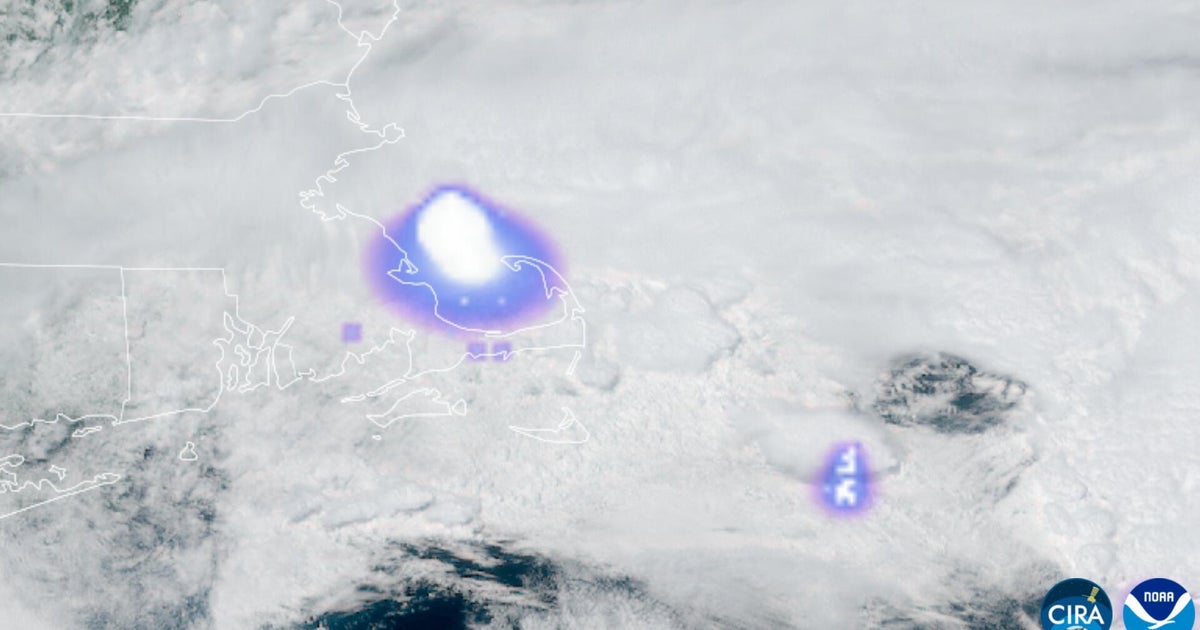
On Saturday, May 30, 2026, at about 2:11 p.m. Eastern Time, residents across Massachusetts and parts of the Northeast reported a loud boom and, in many cases, sightings of a bright fireball. Dozens of calls were received by a Boston TV station describing a sudden bang that rattled windows and shook homes. Preliminary public reports submitted to the American Meteor Society documented multiple eyewitness accounts of a fireball around 2 p.m. Satellite lightning-detection data from the National Oceanic and Atmospheric Administration registered a signature consistent with a meteor at roughly the same time and indicated the object likely entered the atmosphere over the South Shore near Boston. There are no confirmed reports of where any fragments landed, and researchers say most meteors burn up harmlessly. Scientists note that larger meteors can penetrate lower into the atmosphere and produce shock waves similar to a sonic boom, which can be heard many miles from the meteor's path. The article places this event in the context of other fireballs reported in North America earlier in 2026 (including events over Ohio and Texas) and notes that researchers are tracking an apparent increase in large fireball reports during the year's early months. Authorities and scientists cited in the article state there is no evidence of an impact threat to Earth from this event.
Biblical Reflection
The article largely follows a scientific posture: it cites observational databases (the American Meteor Society), government satellite data (NOAA), and places the event in a broader observational context. That reliance on scientific sources is helpful and aligns with an honest pursuit of truth. From a pastoral perspective, this kind of news can produce two common reactions: wonder and fear. Scripture encourages us both to stand in awe at God's creation and to reject anxious exaggeration. The reporting responsibly tempers alarm by noting the preliminary nature of reports, the typical harmlessness of most meteors, and the absence of any impact threat. Christians should be attentive to how media framing can either stoke sensationalism or provide sober explanation; this article leans toward the latter but still participates in a cycle of attention around rare, startling events. Spiritually, the event is an occasion for humility—reminding us of the vastness and complexity of creation—and for neighbor-love: comforting frightened neighbors, caring for pets startled by the boom, and helping those who are anxious about unexplained noises. At the same time, resist reading such natural phenomena as immediate signs of judgment or private messages without careful theological and scientific grounding. Truth requires we give weight to expert evidence while holding our ultimate trust in God's sovereignty and goodness.
Scripture in context
This outlook does not yet include contextual Scripture citations. Do not treat a general biblical theme as an exegetical conclusion.
Faithful Response
No prescribed response is offered. Consider the reflection prompts below in your own church context.
Reflection and Discussion
- 1Am I quick to interpret natural, explainable events as supernatural signs, or do I first weigh the testimony of informed experts?
- 2How does this report shape my view of creation—does it lead me to awe and stewardship, or to fear and sensationalism?
- 3Who in my community might need reassurance or practical help after a startling event like this, and how can I offer calm, fact-based comfort?
Sources
Reporting links are evidence inputs; Sanctuary News' biblical reflection is commentary.
This outlook currently relies on fewer than two linked sources. Broaden verification before teaching from it.
- 1.Original reportprimary