News Summary
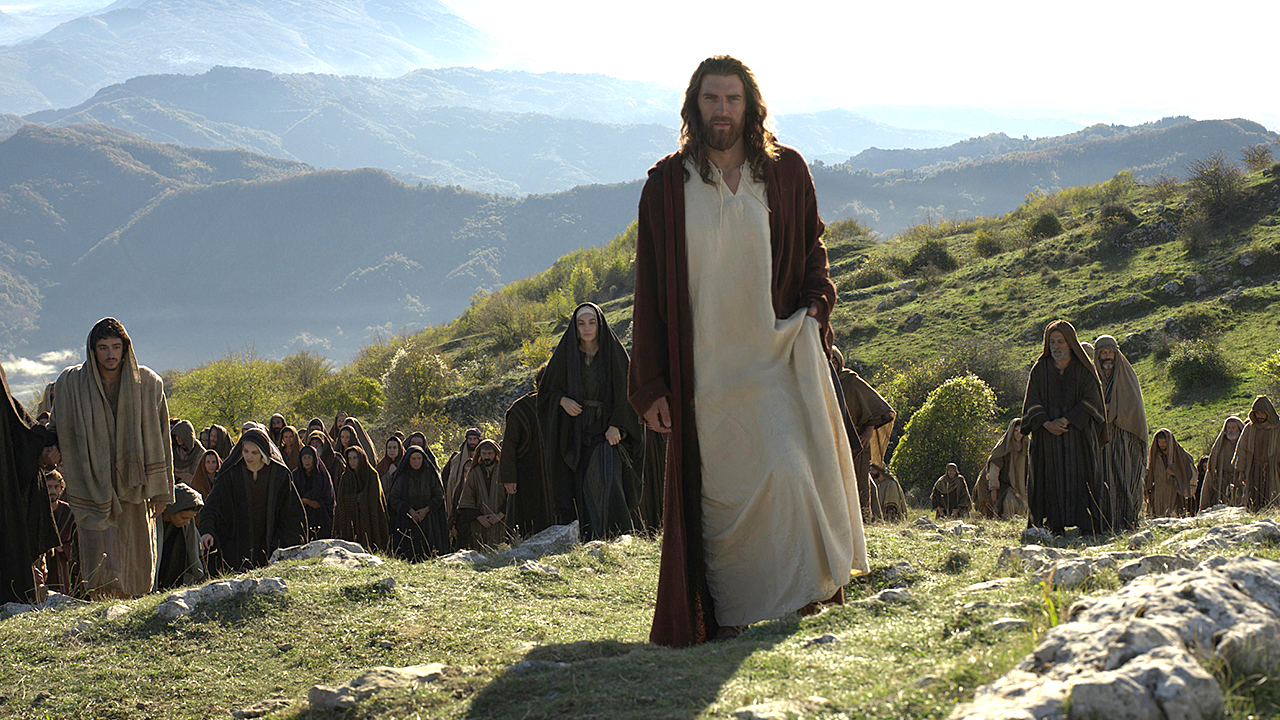
Mel Gibson has completed filming on a two-part sequel to his 2004 film The Passion of the Christ, titled The Resurrection of the Christ. Lionsgate and Icon Productions announced release dates: Part One on May 6, 2027 (Ascension Day) and Part Two on May 25, 2028. Gibson said he co-wrote the screenplay with his brother Donal Gibson and Randall Wallace over seven years and described the project as a major, personal mission. Filming took 134 days across multiple locations in Italy. Finnish actor Jaakko Ohtonen has been cast as Jesus; Mariela Garriga will play Mary Magdalene. Jim Caviezel, who played Jesus in the 2004 film, was expected to reprise the role but was recast reportedly due to de-aging technology challenges and scheduling conflicts. Gibson has said the films will explore spiritual realms, including themes such as the fall of angels, hell/Sheol, and spiritual warfare. The article notes The Passion of the Christ's commercial success (over $610 million worldwide) and that the original film generated controversy for its graphic violence.
Biblical Reflection
This announcement sits at the intersection of faith and popular culture. On one hand, a high-profile cinematic treatment of Jesus' death and resurrection can renew public interest in the gospel, prompt spiritual conversations, and draw people to reflect on core Christian claims. Mel Gibson frames the project as a personal mission, and an earnest artistic attempt can serve evangelistic and devotional ends. On the other hand, film is an interpretive medium: visual dramatization necessarily fills narrative and theological gaps with creative choices. Gibson’s comments about ‘acid trip’ imagery and extended depictions of spiritual realms signal that the films may blend biblical elements with speculative or stylized material. Christians should therefore practice discernment: admire the opportunity for gospel engagement while testing specific portrayals against Scripture. Be alert to potential distortions—overemphasis on sensationalized supernatural scenes, speculative reconstructions of angelic fall or Sheol, or aesthetics that elevate spectacle above truth. Historically, The Passion of the Christ both helped some come to faith and provoked controversy; the sequel may do the same. Pastors and Christian leaders can use the film as a conversation starter, but should guide congregations to ground their understanding of Jesus, resurrection, and salvation in the Bible rather than in any director’s vision. Finally, evaluate the film’s fruit: does it point viewers to repentance, grace, and Christ’s lordship, or primarily to shock and novelty? Christian response should combine hospitality toward seekers with clear teaching about biblical truth.
Scripture in context
This outlook does not yet include contextual Scripture citations. Do not treat a general biblical theme as an exegetical conclusion.
Faithful Response
No prescribed response is offered. Consider the reflection prompts below in your own church context.
Reflection and Discussion
- 1Which elements of the film’s portrayal of Jesus, the resurrection, and spiritual realities will you compare directly with Scripture before adopting them as belief?
- 2Does the promotional framing (e.g., emphasis on spectacle or 'acid trip' imagery) invite curiosity about the gospel or distract from the core claims of Christ’s death and resurrection?
- 3How might church leaders prepare to shepherd people who encounter theological or emotional confusion after seeing a dramatic, interpretive retelling of biblical events?
Sources
Reporting links are evidence inputs; Sanctuary News' biblical reflection is commentary.
This outlook currently relies on fewer than two linked sources. Broaden verification before teaching from it.
- 1.Original reportprimary