News Summary
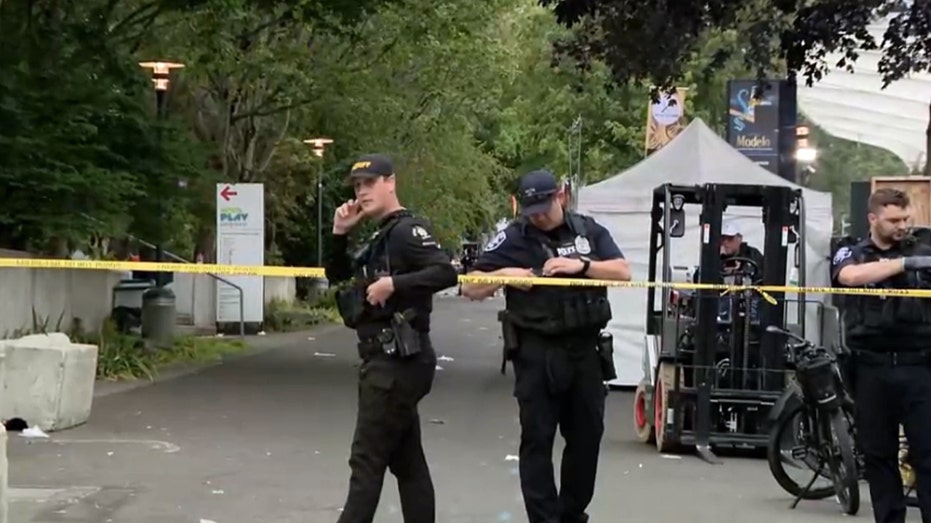
Reported facts: Police said a mass shooting occurred at Seattle Center on Sunday in which three people were killed and multiple others were wounded; a 2-year-old boy was among five others injured. Attribution: those details are reported and attributed to police statements in the single supplied article. Uncertainties: the article does not identify a suspect, motive, timeline, the condition of other victims, names of victims, or official police press-release text; no corroborating sources were supplied.
Source and Framing Analysis
The supplied article is a brief, single-source report relying on police as the primary informant. Because the piece is short and lacks corroboration or detail, the framing is necessarily limited to immediate casualty counts and location. That limited framing can unintentionally encourage speculation; readers should note the absence of specifics (suspect, motive, timing) and expect further details as investigators and additional reporters provide more information.
Biblical Reflection
This report describes a sudden act of lethal violence in a public space. The facts as presented are sparse but grave: multiple deaths and injuries, including a young child, which rightly prompt sorrow, prayer, and concern for public safety. Christians should first respond with compassion for victims and families, seeking truth about what happened while resisting the rush to assign blame or politicize the tragedy before facts are confirmed.
From a pastoral perspective, the story raises familiar spiritual and ethical challenges: the reality of human brokenness, the need to comfort the grieving, and the call to pursue justice and peace. The article, being brief and dependent on a single police-sourced report, leaves many practical questions unanswered; Christians should therefore hold a posture of humble lament and careful inquiry rather than certainty or partisan interpretation.
At the same time, the church's witness includes concrete care—practical support for victims, public prayer, advocacy for measures that reduce harm, and the promotion of nonviolence and neighbor-love. While policy responses will be debated publicly, individual Christians are called first to mercy, truthfulness, and the work of reconciliation wherever possible.
Scripture in context
- 1Psalm 34:18 — Psalm 34 is a collection of Davidic laments and assurances where the psalmist describes God's nearness to those who are brokenhearted and crushed in spirit. — This passage comforts believers that God is close to those who grieve after sudden violence; it undergirds pastoral care that centers presence and consolation rather than quick answers.
- 2Romans 12:17-21 — In Romans 12 Paul instructs the Christian community on ethical conduct toward enemies and persecutors, encouraging non-retaliation and overcoming evil with good in a Roman-era context of social tensions. — These verses guide a Christian response that refuses vengeance as a first resort, promotes justice administered by legitimate authorities, and seeks restorative action that reduces future harm.
Faithful Response
Pray intentionally for victims, first responders, investigators, and community leaders; organize or join public prayer vigils that center victims rather than ideology.
Offer tangible support: donate to verified relief funds, coordinate meal or childcare assistance for grieving families, or volunteer with organizations helping the wounded and displaced.
Advocate locally for evidence-based public-safety measures and community programs that address violence prevention, while engaging civil authorities constructively and patiently as facts emerge.
Resist spreading unverified details; model humility and truthfulness in conversations and on social media.
Reflection and Discussion
- 1How does my immediate emotional or political reaction to violent news align with the Christian call to mourn with those who mourn and to seek truth patiently?
- 2In what concrete ways can my community offer care and practical support to victims and families without turning this tragedy into a partisan claim?
- 3What long-term steps will I support that pursue both justice and the reduction of future harm in my city or neighborhood?
Sources
Reporting links are evidence inputs; Sanctuary News' biblical reflection is commentary.
This outlook currently relies on fewer than two linked sources. Broaden verification before teaching from it.
- 1.Three dead, 2-year-old boy among 5 others injured in Seattle Center mass shootingprimary_reporting