News Summary
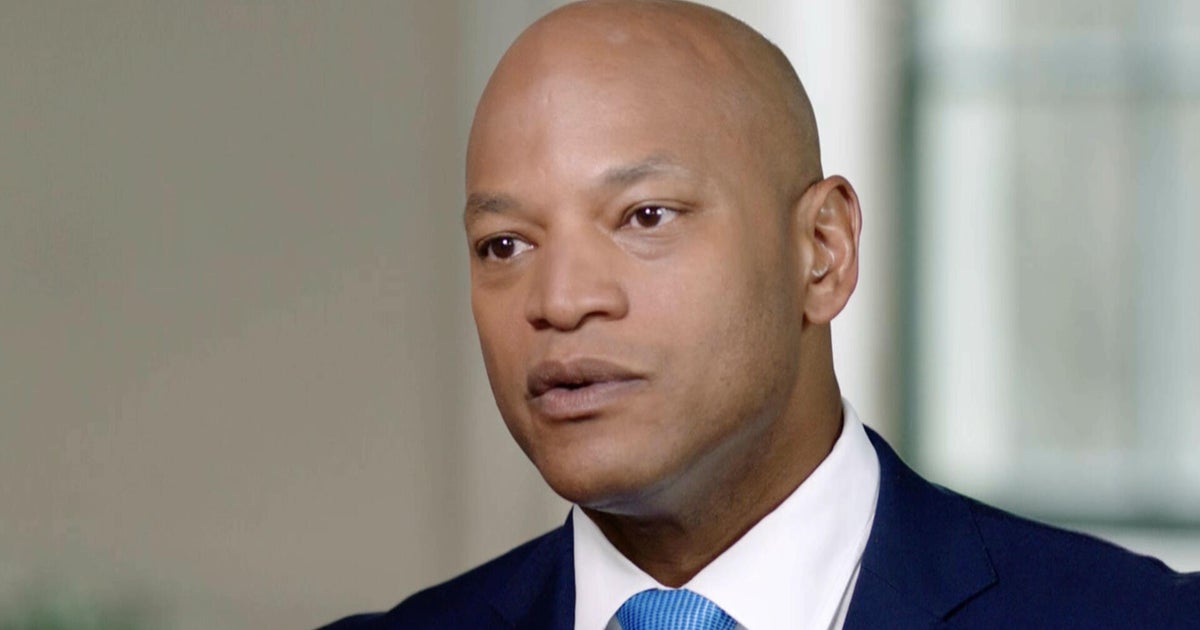
Maryland Governor Wes Moore told CBS News he fears the United States is "lurching again into another forever war," criticizing President Trump for not clearly articulating what success in the U.S. military campaign in Iran would look like. Moore, a veteran of the Army's 82nd Airborne Division, compared the current operations to the 20-year war in Afghanistan and said he is concerned about the long road ahead and the families of service members. The U.S. campaign, called Operation Epic Fury, began Feb. 28, 2026. U.S. officials and the president have described recent damage to Iran's naval and missile/drones capabilities and listed objectives including degrading Iran's defense industrial base, preventing a nuclear weapon, and protecting regional allies. President Trump said in a primetime address he expects the mission to conclude "very shortly" and predicted further strikes over the next two to three weeks. Military leaders have described "undeniable progress," even as the campaign has suffered losses: at least 13 American service members killed since operations began, the downing of an American F-15E over Iran with one crew member rescued and a search ongoing for the other, loss of MQ-9 Reaper drones, and three F-15s previously lost in a friendly-fire incident over Kuwait with crew safe. Moore said he is praying for the families of the downed jet's crew and called for clarity from the White House.
Biblical Reflection
From a Christian perspective this story raises two related concerns: the moral seriousness of sending people into prolonged combat and the need for truthful, responsible public leadership. Governor Moore's warning echoes a pastoral impulse to grieve the human cost of war and to demand clear moral and strategic purposes before asking citizens and service members to pay with lives and resources. Scripture urges wise counsel and counting the cost before undertaking great plans (see Luke 14:28).
At the same time, Christians should avoid simple partisan reflexes. Moore speaks as both a veteran and a political opponent of President Trump; his judgment is shaped by those roles. Likewise, presidential assurances of quick victory reflect political messaging as well as military assessments. The article presents competing claims—optimistic timelines and statements of progress from U.S. leaders versus rising casualty counts and material losses—without independent verification of long-term prospects. That asymmetry invites healthy skepticism: leaders should be held accountable to state clear objectives, measurable benchmarks of success, and credible plans for withdrawal or resolution.
Biblically informed prudent action calls for: honest communication by leaders (truth-telling and transparency), compassion for grieving families, sober evaluation of whether force is a last resort and proportionate to the threat, and persistent work toward peace where possible (Matthew 5:9). Christians should pray for protection of the innocent, wisdom for policymakers, and for efforts that prioritize life, justice, and reconciliation rather than indefinite conflict.
Scripture in context
This outlook does not yet include contextual Scripture citations. Do not treat a general biblical theme as an exegetical conclusion.
Faithful Response
No prescribed response is offered. Consider the reflection prompts below in your own church context.
Reflection and Discussion
- 1What specific, publicly stated objectives and measurable benchmarks for success does the administration offer, and how should Christians weigh optimistic timelines against available evidence?
- 2Whose perspectives are centered in the reporting (elected leaders, military commanders, veterans, families), and how might those perspectives shape the narrative toward endorsing or resisting continued military action?
- 3How does the language used—"progress," "very shortly," "forever war"—influence public willingness to accept ongoing conflict, and what criteria should Christians demand before endorsing or opposing further escalation?
Sources
Reporting links are evidence inputs; Sanctuary News' biblical reflection is commentary.
This outlook currently relies on fewer than two linked sources. Broaden verification before teaching from it.
- 1.Original reportprimary