News Summary
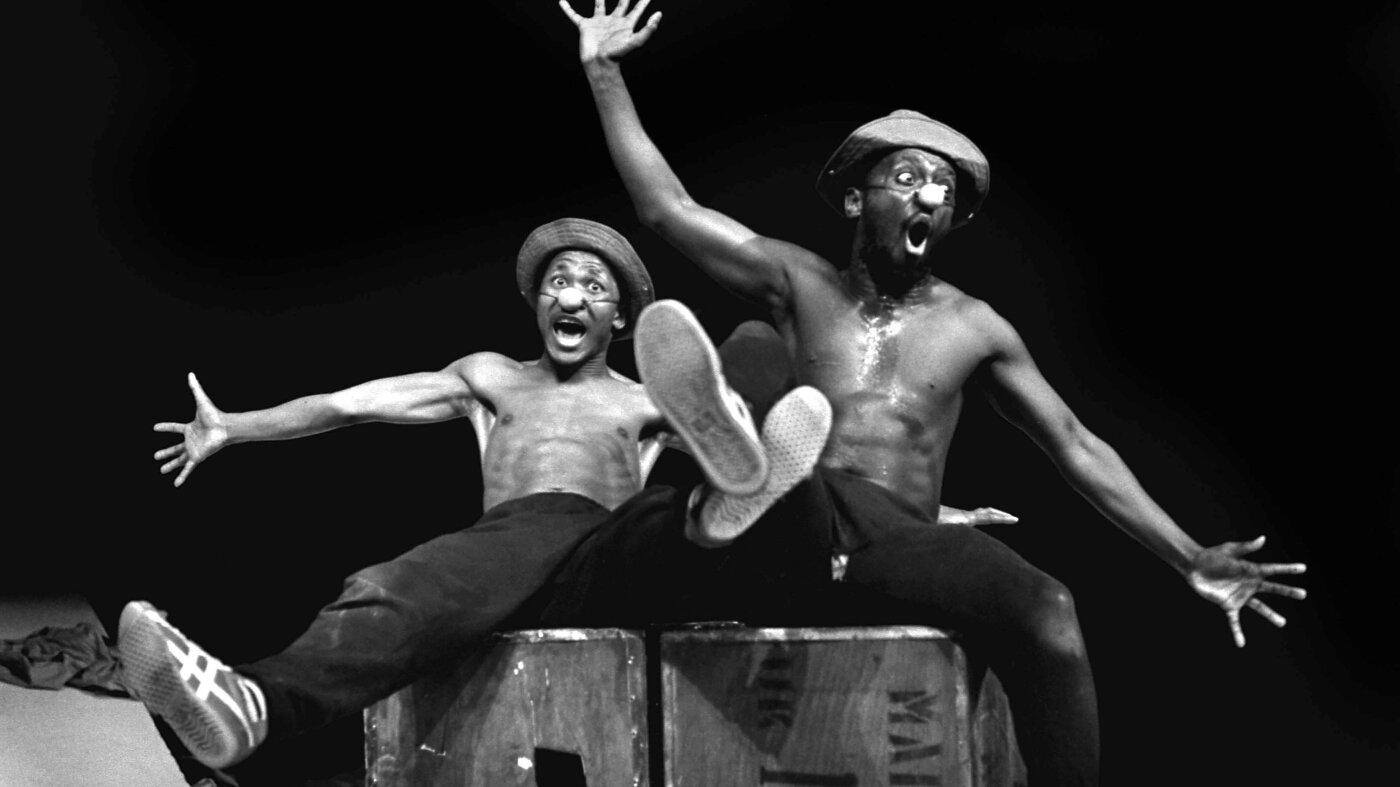
The Market Theatre in central Johannesburg opened in 1976, days after the Soweto uprising, in a converted fruit-and-vegetable market. From its founding it staged plays viewed as politically subversive by South Africa’s apartheid government and regularly faced censorship, raids, and other official interference. The theatre intentionally hosted mixed-race audiences despite apartheid segregation laws, using legal and logistical workarounds (for example, designating parts of the space as privately owned) to allow people of color to attend. Founders included Barney Simon and Mannie Manim; notable artists associated with the venue include John Kani, Athol Fugard, Percy Mtwa, Mbongeni Ngema and others. The company produced internationally known works — Woza Albert, Sophiatown, Sizwe Banzi is Dead, and the musical Sarafina — and its work contributed to domestic and international awareness of apartheid. The Market Theatre is marking its 50th anniversary with new productions (such as Marabi) and continues to present plays addressing contemporary South African issues like education access, corruption, and gender-based violence. The article notes the theatre’s historic role in the anti-apartheid struggle and its ongoing commitment to telling South African stories.
Biblical Reflection
From a Christian perspective, the Market Theatre’s history highlights how art can serve as a prophetic, public witness against injustice. The theatre’s willingness to give voice to the oppressed, to break segregation in practice, and to persist in the face of official censorship aligns with biblical calls to defend the vulnerable and speak truth to power (e.g., the prophets, Jesus’ ministry to the marginalized). The article largely presents the theatre as a force for justice and cultural memory; that framing is broadly supported by documented history, though the piece is celebratory and does not deeply probe complex post-apartheid challenges or dissenting perspectives. Christians should appreciate the risks artists took to expose systemic evil and affirm stories that foster repentance, reconciliation, and accountability. At the same time, be mindful of two cautions: (1) honoring heroic resistance should not simplify the messy realities of social change, nor obscure failings that persist after political transitions; and (2) celebrating cultural institutions can risk nostalgia that glosses over ongoing injustice. Discernment calls us to value truthful storytelling that leads to repentance, repair, and restored human dignity, and to support institutions that promote both justice and reconciliation.
Scripture in context
This outlook does not yet include contextual Scripture citations. Do not treat a general biblical theme as an exegetical conclusion.
Faithful Response
No prescribed response is offered. Consider the reflection prompts below in your own church context.
Reflection and Discussion
- 1How does this story challenge the assumption that art should be separate from politics — and how should Christians weigh prophetic critique from artists against a call to charitable conversation?
- 2Does the article’s celebratory tone obscure ongoing social problems in South Africa today, and what responsibilities do storytellers have to follow moral witness with concrete pathways toward reconciliation and repair?
- 3When institutions become symbols of national struggle, how can Christians support truthful remembrance without turning memory into uncritical nostalgia?
Sources
Reporting links are evidence inputs; Sanctuary News' biblical reflection is commentary.
This outlook currently relies on fewer than two linked sources. Broaden verification before teaching from it.
- 1.Original reportprimary