News Summary
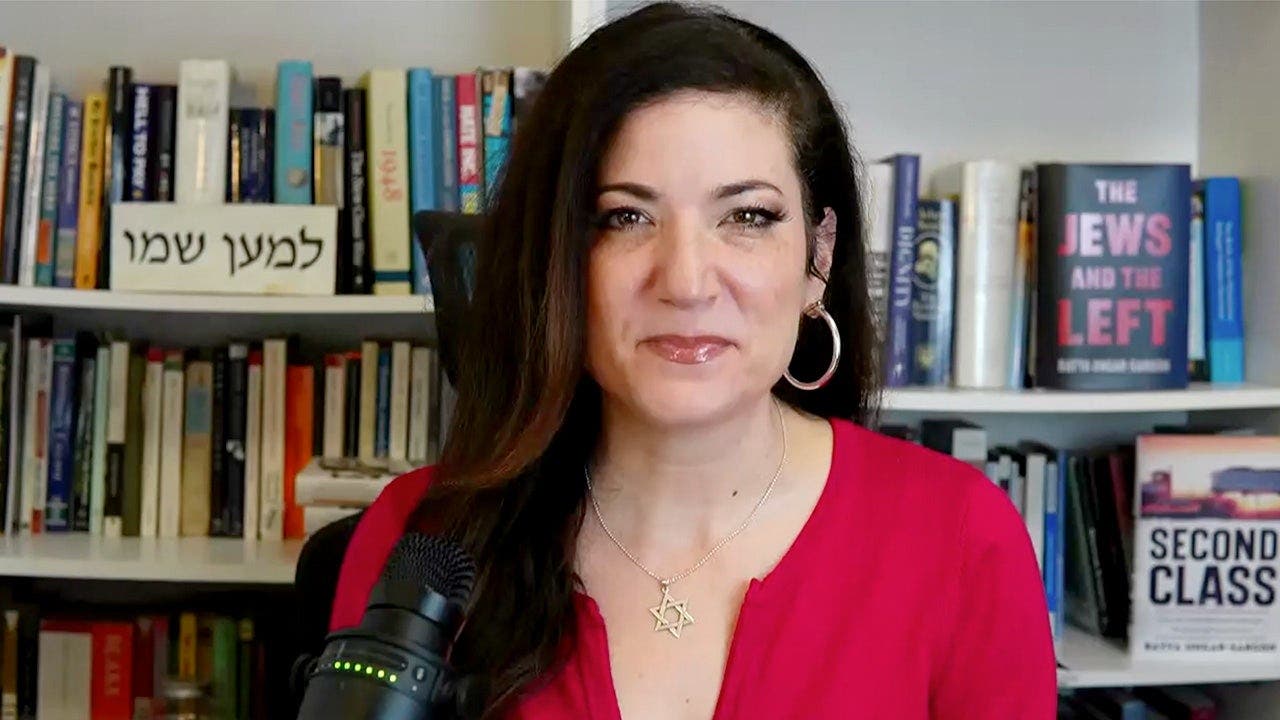
Fox News' "Antisemitism Exposed" newsletter highlights several related items: an interview with author Batya Ungar-Sargon in which she says many American Jews—historically aligned with the Democratic Party—now feel "politically homeless" amid rising antisemitism in progressive circles, particularly after October 7; a global summit of Christian leaders in Jerusalem convened to confront growing antisemitism and to reject replacement theology; a controversy in Britain over a policy paper circulated by a former vice president of the National Association of Muslim Police that described the IDF as a "terrorist" organization and questioned reports of Hamas atrocities, prompting calls for investigation; a federal indictment unsealed charging eight alleged anti-Israel extremists with plotting violence and intimidation including threats against university officials and businesses; and a guest editorial calling for sustained support for Jewish teens facing antisemitism in schools. The newsletter packages these developments as part of a broader pattern of rising anti-Jewish prejudice and political realignment among American Jews.
Biblical Reflection
The article brings attention to real and serious harms: threats, harassment, and growing fear among Jewish communities are matters Christians should oppose unequivocally. The framing centers antisemitism as a social and political crisis and elevates voices (like Ungar-Sargon's) that link cultural shifts in the left with Jewish alienation; that perspective is one important lens but not the only one. Discernment is needed where political critique of Israeli policy and genuine antisemitic rhetoric may be conflated—equating all criticism of a state with hatred of a people risks silencing legitimate debate, while failing to name bigotry allows real harm to continue. Christian virtue calls for defending neighbors under threat, rejecting theological views that demean Jews, and holding institutions (including police and professional associations) accountable for bias. At the same time, Christians must avoid scapegoating entire communities (religious or ethnic) for political disagreements, and must pursue both truth and mercy—speaking clearly against violence and hate while working for just, peaceable solutions for all affected peoples.
Scripture in context
This outlook does not yet include contextual Scripture citations. Do not treat a general biblical theme as an exegetical conclusion.
Faithful Response
No prescribed response is offered. Consider the reflection prompts below in your own church context.
Reflection and Discussion
- 1When coverage links antisemitism to political realignment, are we distinguishing between legitimate policy debate and expressions of ethnic or religious hatred?
- 2How might our church’s theology and teaching shape its response to Jewish suffering—does it foster solidarity or revive old prejudices?
- 3Are institutions named in these stories being fairly represented, and what standards of evidence should we demand before accepting claims that trust has been broken?
Sources
Reporting links are evidence inputs; Sanctuary News' biblical reflection is commentary.
This outlook currently relies on fewer than two linked sources. Broaden verification before teaching from it.
- 1.Original reportprimary