News Summary
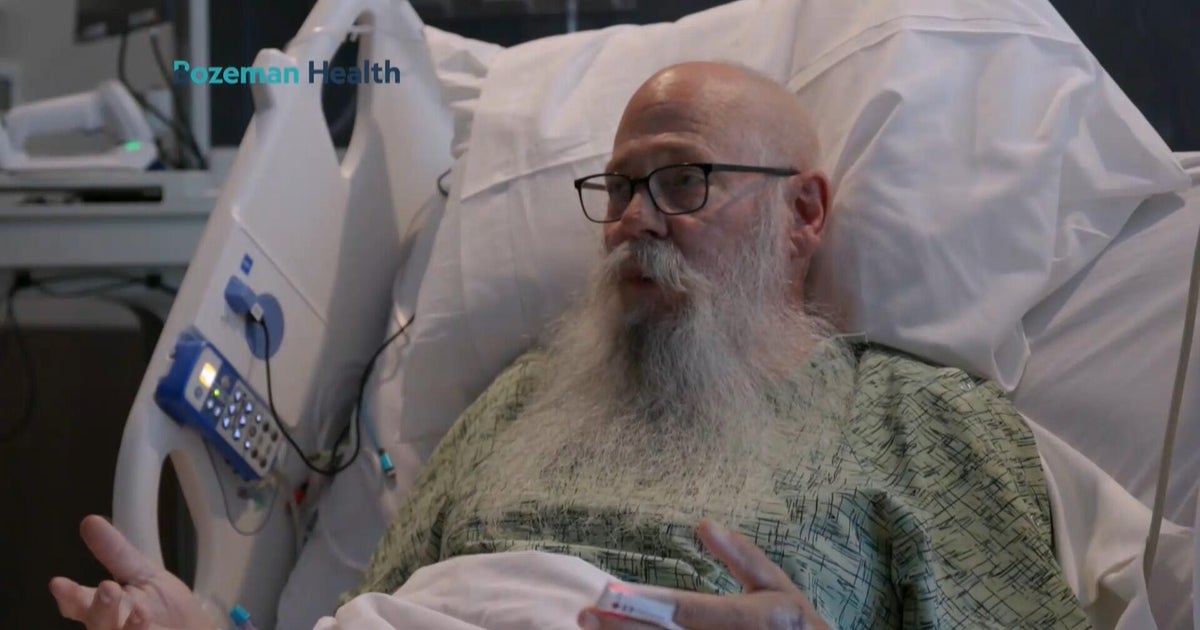
Reported facts: CBS News published an eyewitness account that Carl Isom-McDaniel was attacked by a bison at Yellowstone National Park earlier this month, thrown about eight feet into the air while walking with his grandson; the article quotes him saying the bison "could have gored me." Attributed claims: the description and quote come from the victim as reported by CBS. Uncertainties: the report does not include medical condition details, official National Park Service statements, the precise date/time, other eyewitness testimony, whether park safety distances were observed, or any context about the bison's behavior.
Source and Framing Analysis
The story is single-source reporting based on the victim's account and includes a vivid quote that highlights danger. Missing material context (park statement, other witnesses, photos, or medical details) affects how readers should weigh the account. The human-interest framing emphasizes the terror experienced, which is accurate to the quote but can inflate perceptions of general risk if readers assume this is common rather than an isolated incident.
Biblical Reflection
This account is a reminder of the real dangers that can arise when humans encounter wild animals. The article conveys an eyewitness's fear and the physical harm he experienced; it implicitly warns readers about proximity to wildlife but gives limited context about whether park distancing rules were followed or whether the animal's behavior had a specific provocation.
From a Christian perspective, several threads matter. First, Scripture calls us to care for creation and to exercise wisdom and prudence; that includes respecting wild animals and the safety rules designed to protect both people and creatures. Second, the report invites compassion for the injured man and his family — Christians should pray for those harmed and offer practical help when possible. Third, avoid reading the story as proof that creation is malicious; rather, recognize the limits and risks of living alongside wild creatures in their habitats and accept responsibility to learn and teach safe practices.
Finally, be wary of sensational framing that reduces complex incidents to fear. Seek facts (official park reports, medical updates, witnesses) before drawing wide conclusions, and let caution, humility, and neighbor-love shape how you respond and speak about such events.
Scripture in context
- 1Genesis 1:26-28 — In the creation narrative, humanity is given responsibility and stewardship over the rest of creation, charged to care for the world God made. — This passage calls Christians to steward natural spaces responsibly — which includes following safety rules in wild areas, educating others about risk, and treating animals with respect rather than as enemies.
- 2Proverbs 22:3 — Proverbs repeatedly contrasts the wise, who see danger and take precautions, with the naive who suffer for lack of caution. — The proverb encourages prudent action and foresight: Christians should practice and teach caution around known hazards (such as large wild animals) rather than reacting only after harm occurs.
Faithful Response
Pray for the injured person and family and, where appropriate, offer practical support (meals, rides, or help communicating with officials).
Inform oneself and others about park safety rules, teach children safe distances from wildlife, and model caution during visits to natural areas.
Support local park stewardship and education efforts that protect both people and wildlife.
Reflection and Discussion
- 1How should our theology of creation shape practical precautions we take in wild places?
- 2When we hear a frightening eyewitness account, how do we balance empathy for the victim with careful fact-gathering before forming judgments?
- 3In what ways can the church be a presence of practical help and calm instruction after public accidents?
Sources
Reporting links are evidence inputs; Sanctuary News' biblical reflection is commentary.
This outlook currently relies on fewer than two linked sources. Broaden verification before teaching from it.
- 1.Man attacked by bison recalls terrifying encounter: "He could have gored me"primary_reporting