News Summary
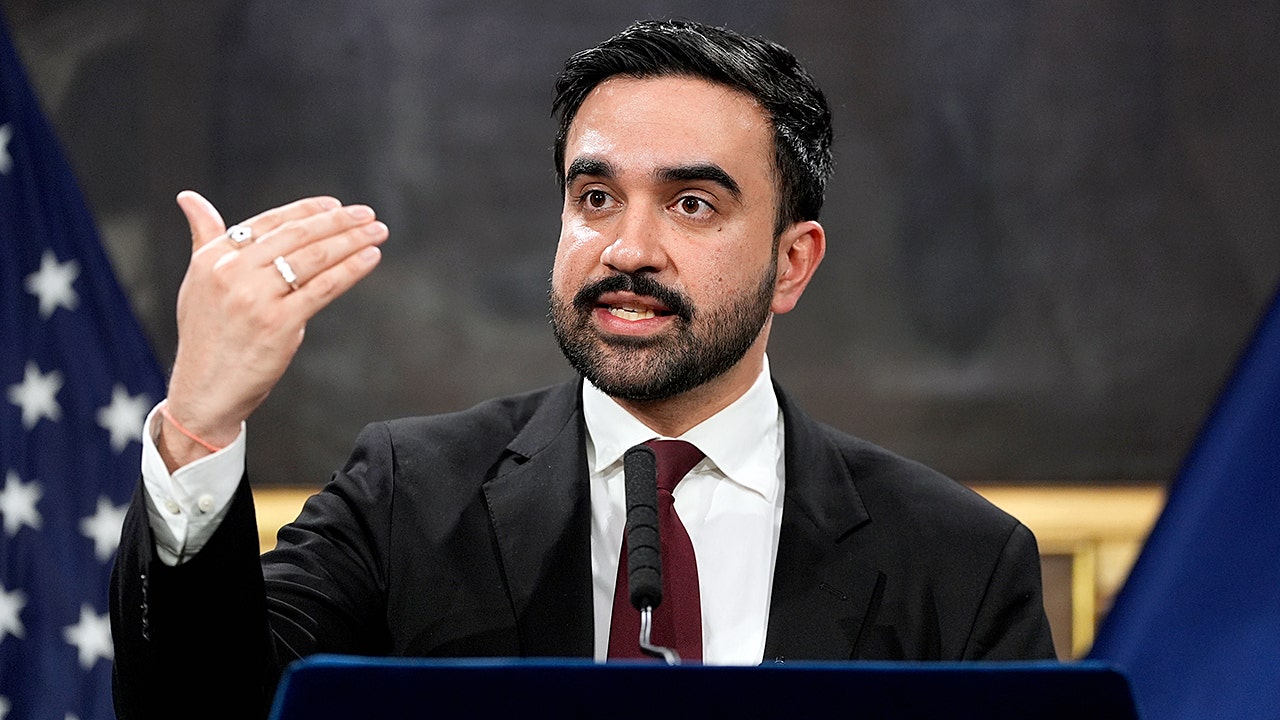
The article centers on the controversy following New York City Mayor Zohran Mamdani’s public condemnation of a U.S. and Israeli military strike in Iran that resulted in the killing of Iran’s supreme leader, Ayatollah Ali Khamenei. Mamdani described the operation as an illegal act of aggression and warned against escalating war, expressing concern for Iranian residents of New York City. His response drew sharp criticism from conservative politicians, media personalities, and Iranian dissidents, who accused Mamdani of sympathizing with the Iranian regime and failing to acknowledge its human rights abuses. Supporters of the strike highlighted Khamenei’s record of brutality and terrorism. The article also provides background on Khamenei’s leadership style and the scale of the military operation, with various public figures weighing in on the morality and political implications of both the strike and Mamdani’s comments.
Biblical Reflection
This news story highlights a deep clash of perspectives over justice, violence, and the pursuit of peace—issues that are central to the biblical narrative. Scripture teaches that all human life is sacred (Genesis 1:27) and grieves over violence, oppression, and injustice (Psalm 34:14, Micah 6:8). The debate here revolves around whether violent means are justified to remove a brutal regime leader, or whether such actions perpetuate cycles of suffering. While the Bible acknowledges the reality of evil and the obligation to oppose it (Romans 13:1-4), it also warns against rejoicing over the downfall of enemies (Proverbs 24:17) and calls for a higher ethic: to seek justice, love mercy, and walk humbly with God (Micah 6:8). The strong reactions and accusations in this story reveal the temptation to side with power, ideology, or national interest over the more challenging work of peacemaking and humility. Christians are called to pray for wisdom for leaders, compassion for victims, and to advocate for truth and justice without losing sight of the humanity on all sides—including those we may see as enemies. The story is a reminder to examine our hearts: Do we seek peace, justice, and mercy, or do we get swept up in the world’s polarization and vengeance?
Scripture in context
This outlook does not yet include contextual Scripture citations. Do not treat a general biblical theme as an exegetical conclusion.
Faithful Response
No prescribed response is offered. Consider the reflection prompts below in your own church context.
Reflection and Discussion
- 1How do I respond when I see injustice and violence in the world—do I seek justice with mercy and humility?
- 2Do I pray for wisdom and discernment for leaders, even those with whom I disagree, or do I rush to judgment?
- 3In conversations about war and politics, am I reflecting Christ’s call to peacemaking and compassion?
Sources
Reporting links are evidence inputs; Sanctuary News' biblical reflection is commentary.
This outlook currently relies on fewer than two linked sources. Broaden verification before teaching from it.
- 1.Original reportprimary