News Summary
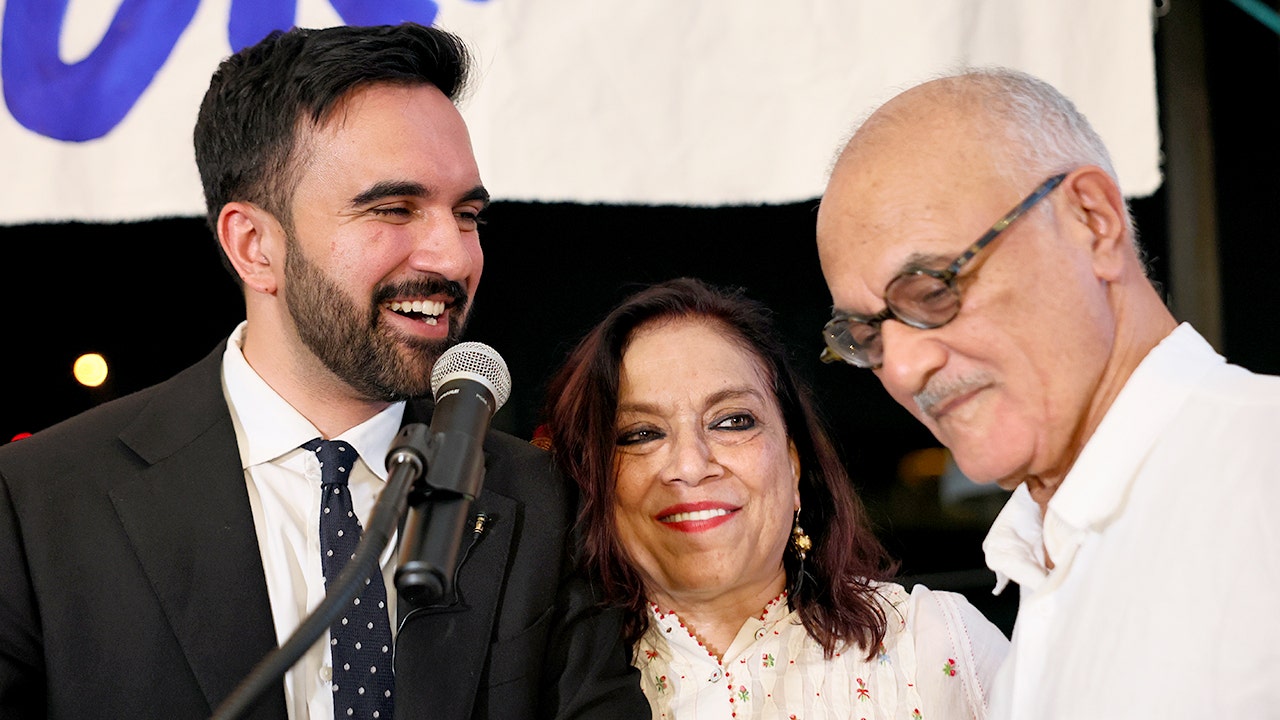
The article discusses criticism by Mahmood Mamdani, a Columbia University professor and father of NYC Mayor-elect Zohran Mamdani, regarding the university’s response to antisemitism on campus. Mahmood Mamdani claims that anti-Israel student activists at Columbia feel 'targeted' and 'terrified' by the administration’s efforts to address antisemitism, which he perceives as heavy-handed and divisive. He suggests that the university is using anti-discrimination measures to pit student groups against each other, likening it to 'divide-and-rule' tactics. The university's antisemitism task force recently released a report documenting harassment of Jewish and Israeli students, including serious allegations of classroom harassment and inflammatory comments by faculty. Mahmood Mamdani advocates for a healing-focused approach over punitive actions, while the administration faces ongoing scrutiny for how it handles grievances among students on both sides of the Israel-Palestine issue.
Biblical Reflection
Scripture calls believers to uphold both truth and love, seeking justice while also pursuing reconciliation and peace (Micah 6:8; Matthew 5:9). The polarizing climate described in this article—where accusations of antisemitism and responses to activism are creating fear and division—stands in tension with biblical virtues. God’s Word condemns both hatred and partiality (James 2:1-9), and commands us to treat others as we wish to be treated (Luke 6:31). True justice requires listening carefully to the grievances of all parties (Proverbs 18:13), but it also demands that evil, including hatred and harassment, not be ignored or excused (Romans 12:9). Christians should pray for wisdom and courage for all involved: that university leaders would act justly and impartially, that students would seek peace and understanding across divides, and that the temptation to respond to injustice with further injustice would be resisted. The situation exposes the difficulty of addressing real harms while avoiding the creation of new wounds. As followers of Christ, we are called to be peacemakers and to seek the flourishing of all, remembering that every person bears the image of God.
Scripture in context
This outlook does not yet include contextual Scripture citations. Do not treat a general biblical theme as an exegetical conclusion.
Faithful Response
No prescribed response is offered. Consider the reflection prompts below in your own church context.
Reflection and Discussion
- 1In what ways can you personally promote justice and peace when faced with conflict or division in your community?
- 2How do you discern when to stand against wrongdoing while also preserving compassion for those you disagree with?
- 3What does it mean to pursue healing rather than retaliation in the context of deep social or ideological divides?
Sources
Reporting links are evidence inputs; Sanctuary News' biblical reflection is commentary.
This outlook currently relies on fewer than two linked sources. Broaden verification before teaching from it.
- 1.Original reportprimary