News Summary
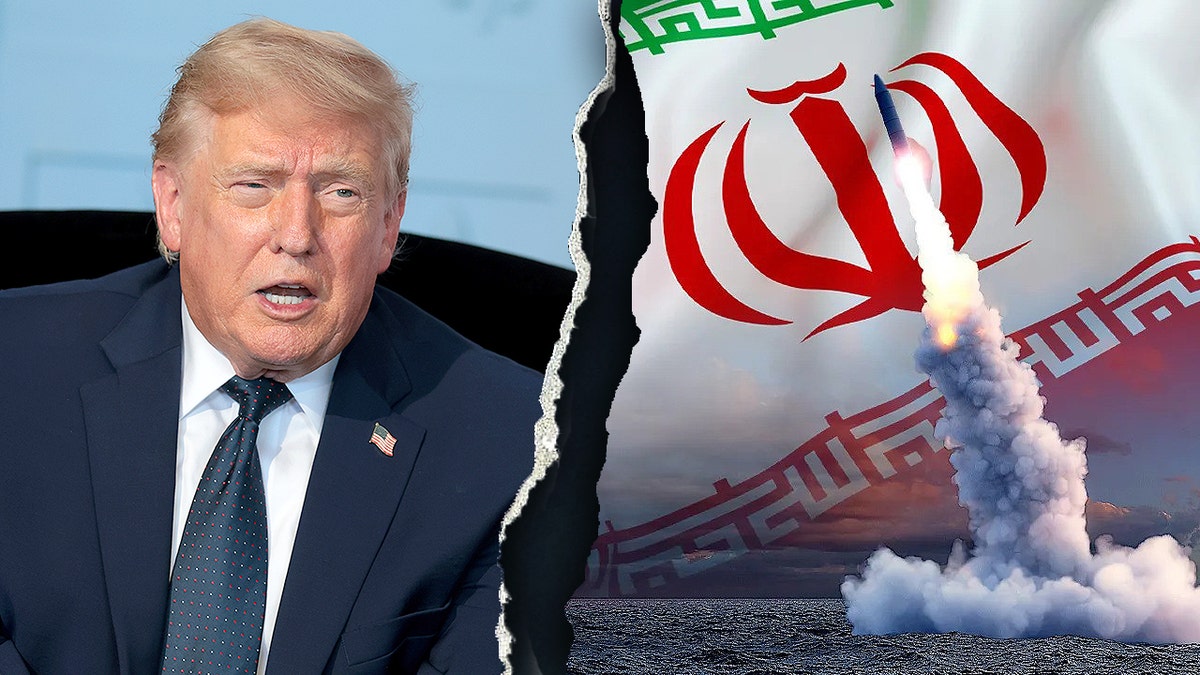
Reported facts: A Fox News poll published July 23, 2026, reports 56% of respondents oppose U.S. military action against Iran and 34% approve of former President Trump's handling of the conflict (reported as a record-low). Attributed claims: the poll results are presented as Fox News findings; the 'record-low' phrasing attributes a historical comparison to prior approval measures but the article text supplied does not show the baseline. Uncertainty: the supplied article text does not include poll sample size, margin of error, precise question wording, weighting, field dates, or demographic breakdowns.
Source and Framing Analysis
Material uncertainties that affect how the findings should be read include absence of methodological details (sample size, margin of error, question wording, and fielding dates). Those omissions make it hard to assess how representative the reported percentages are or how questions were framed (e.g., hypothetical 'military action' vs. specific scenarios). The phrase 'record-low' about approval implies comparison to prior polls but the article excerpt does not supply that history or the precise comparison points.
Biblical Reflection
Christians should respond to these poll results with both civic seriousness and spiritual discernment. Public reluctance to authorize military action reflects a moral commonsense about the cost of war — human lives, displacement, and long-term suffering — concerns Scripture repeatedly raises about loving neighbors and bearing the consequences of violence. Where the poll signals a desire for restraint, Christians can pray for diplomacy, press for humanitarian protections, and support leaders who pursue just alternatives to armed conflict.
At the same time, polling numbers are political tools; they can persuade, frighten, or embolden leaders. The low approval number for a specific public figure is significant politically but does not by itself settle moral questions about when force is justified. Christians should avoid simplistic patriotism or reflexive opposition: seek the truth of the situation, care for civilians on all sides, speak up for the vulnerable, and hold leaders accountable with humility and courage.
Finally, treat media-reported polls as partial information. Advocate for transparency in public polling, ask for clarity about what respondents were asked, and prefer policy judgments grounded in facts, legal obligations, and a consistent ethic of care rather than only popularity metrics.
Scripture in context
- 1Matthew 5:9 — In the Sermon on the Mount, Jesus teaches about the attitudes and behaviors of those who belong to his kingdom; being a 'peacemaker' is presented as a qualitatively Christian identity, not merely a political stance. — This passage calls Christians to work actively for reconciliation and peace, urging us to prioritize peacemaking and to seek nonviolent solutions whenever possible while still pursuing justice for the oppressed.
- 2Romans 12:17-21 — Paul exhorts the Christian community about how to live among neighbors and enemies—rejecting revenge and encouraging overcoming evil with good in the context of communal ethics. — These verses temper vindictive impulses and direct believers to pursue peaceful remedies and protection for the vulnerable, informing how Christians judge calls for military action and political retribution.
Faithful Response
Pray regularly for all civilians and leaders affected by the Iran situation and for wisdom for policymakers.
Seek fuller information: read full poll methodology before using the numbers to shape public argument.
Advocate publicly for diplomatic engagement, civilian protections, and humanitarian aid to those harmed by conflict.
Model respectful civic conversation in church and community, resisting dehumanizing rhetoric about people on any side.
Reflection and Discussion
- 1How should the church weigh public opinion polls when speaking prophetically about war and peace?
- 2Where does the love of neighbor require restraint, and where might it require firm action to prevent injustice?
- 3What practices can help Christians resist being swayed by popularity and instead pursue long-term peace and justice?
Sources
Reporting links are evidence inputs; Sanctuary News' biblical reflection is commentary.
This outlook currently relies on fewer than two linked sources. Broaden verification before teaching from it.
- 1.Fox News Poll: Voters oppose the Iran war, see prolonged commitmentprimary_reporting