News Summary
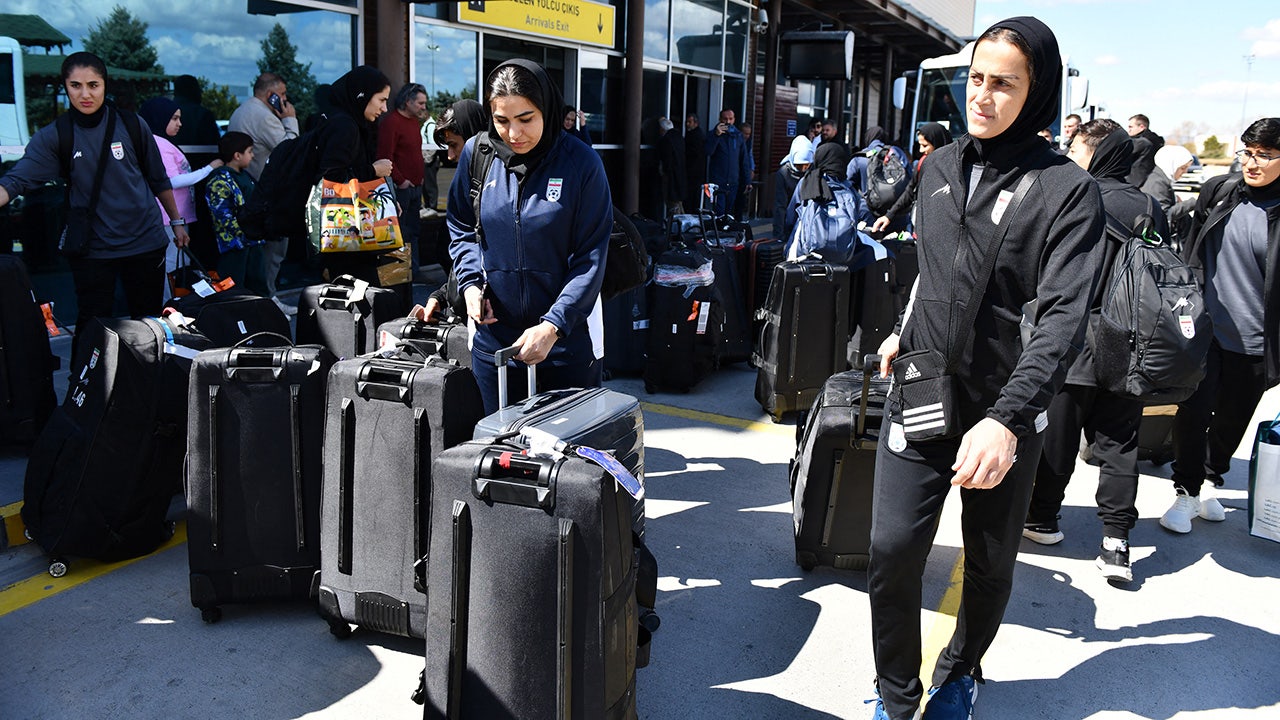
Iran’s women’s national soccer team traveled to Australia for the Women’s Asian Cup shortly before a military campaign against Iran began. During the tournament some players drew attention by remaining silent during Iran’s national anthem. After the team was eliminated, several players sought asylum in Australia amid fears about returning to Iran. Australia reportedly granted asylum to five team members; according to unconfirmed Iranian state media reports, all but two of the players later withdrew their asylum requests and returned to Iran. Two players, Fatemeh Pasandideh and Atefeh Ramezanisadeh, remain in Australia and are training with Brisbane Roar. Video circulated showing many players arriving in Iran via Turkey and being escorted by officials at the border. Iranian officials, including First Vice President Mohammad Reza Aref, said the returning athletes would be welcomed and guaranteed security. The episode sparked international concern and debate about the safety of the players, the legitimacy of the returns, and the responsibilities of host countries and international institutions.
Biblical Reflection
Viewed through Scripture, this story raises urgent moral questions about protection, coercion, and the call to welcome the vulnerable. The Bible repeatedly insists that communities defend the oppressed and care for strangers (e.g., Leviticus 19:33–34; Matthew 25:35). If players felt compelled to renounce asylum because of intimidation, threats to families, or propaganda, that points to injustice and persecution—conditions Scripture consistently condemns (Isaiah 1:17; Psalm 82:3). Christians should be attentive to two realities simultaneously: the dignity and safety of individual people (especially women and political minorities) and the temptation of nations or leaders to use people for political advantage. Governments and churches are called to offer refuge and to seek truth and justice, not to prioritize reputation or realpolitik over human well‑being. At the same time, Christians must avoid simplistic posturing: public statements that politicize vulnerable people can expose them to further harm. The faithful response includes advocating for safe, transparent processes for asylum, bearing witness to truth about persecution, protecting whistleblowers and refugees, and praying and acting in ways that honor both justice and mercy.
Scripture in context
This outlook does not yet include contextual Scripture citations. Do not treat a general biblical theme as an exegetical conclusion.
Faithful Response
No prescribed response is offered. Consider the reflection prompts below in your own church context.
Reflection and Discussion
- 1How should I and my church balance praying for leaders and advocating for vulnerable people who face persecution?
- 2If Christians learn that refugees or asylum‑seekers are being pressured to return home, what concrete steps can we take to support their safety and truth‑telling?
- 3Amid international headlines and political statements, how can I discern and uphold the dignity and security of individual human beings first?
Sources
Reporting links are evidence inputs; Sanctuary News' biblical reflection is commentary.
This outlook currently relies on fewer than two linked sources. Broaden verification before teaching from it.
- 1.Original reportprimary