News Summary
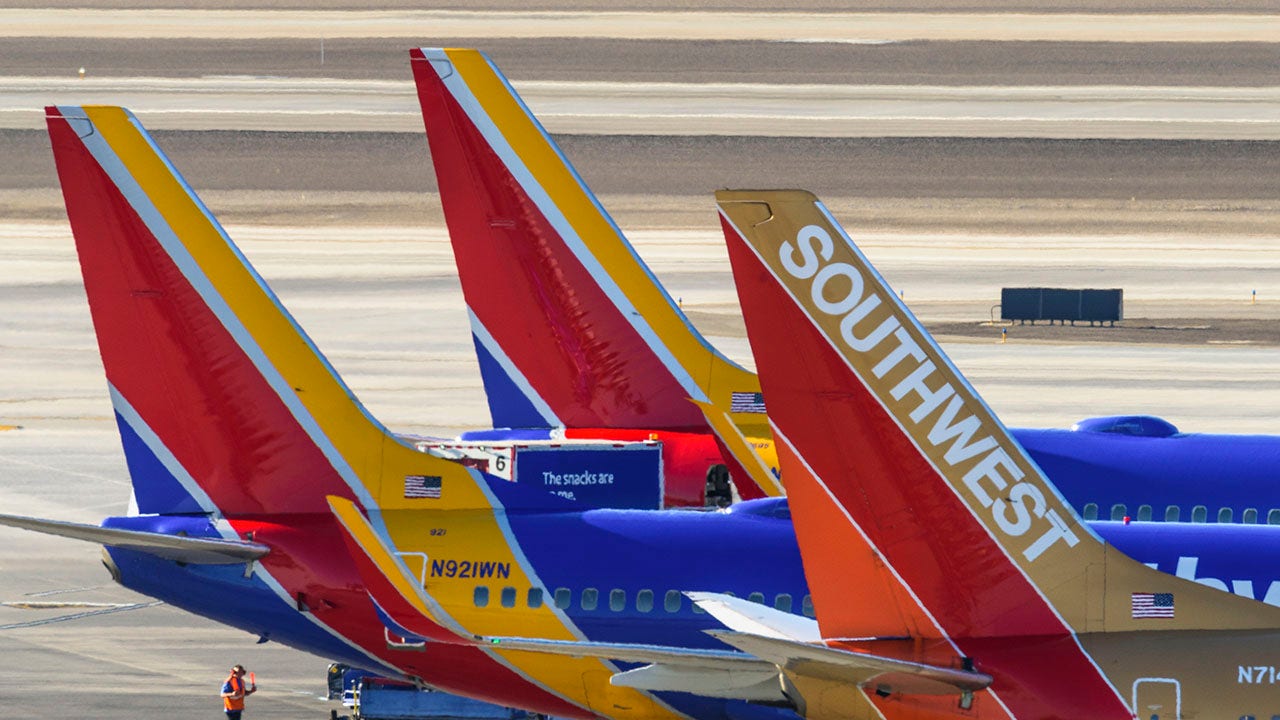
Southwest Airlines is reportedly considering a new cleaning policy in which only the premium extra legroom seats would receive deluxe cleaning between flights, while the coach cabins would receive only basic tidying. This has sparked backlash from passengers and concerns from airline staff, including flight attendants' union representatives, who likened the proposal to class divisions reminiscent of the Titanic. Social media erupted with criticism over perceived inequality and potential hygiene issues, while some commenters highlighted personal responsibility for cleaning up after oneself. Etiquette experts and former flight attendants weighed in, stressing the importance of courtesy and self-cleanliness regardless of airline policies. The debate also comes amid other recent unpopular changes at Southwest, such as the end of open seating.
Biblical Reflection
From a biblical perspective, the proposed policy raises questions about partiality, justice, and the value of all people. Scripture repeatedly warns against showing favoritism (James 2:1-4), calling Christians to treat others with equity regardless of status or wealth. By offering preferential treatment to premium passengers while neglecting the needs of others, the airline risks perpetuating a culture of division and inequality. Furthermore, the public reaction—marked by frustration, sarcasm, and some self-reliance—reflects broader societal tensions about fairness and responsibility. While personal responsibility (cleaning up after oneself) is important, institutions also bear a duty to serve all equitably. Christians are called to remember the dignity of each person and to advocate for fairness, kindness, and humility in both policy and practice.
Scripture in context
This outlook does not yet include contextual Scripture citations. Do not treat a general biblical theme as an exegetical conclusion.
Faithful Response
No prescribed response is offered. Consider the reflection prompts below in your own church context.
Reflection and Discussion
- 1How do I respond when I see favoritism or inequality in everyday life?
- 2In what ways can I practice humility and treat others with equal dignity, regardless of their social or economic status?
- 3What responsibilities do I have, personally and collectively, to promote fairness and kindness in my community?
Sources
Reporting links are evidence inputs; Sanctuary News' biblical reflection is commentary.
This outlook currently relies on fewer than two linked sources. Broaden verification before teaching from it.
- 1.Original reportprimary