News Summary
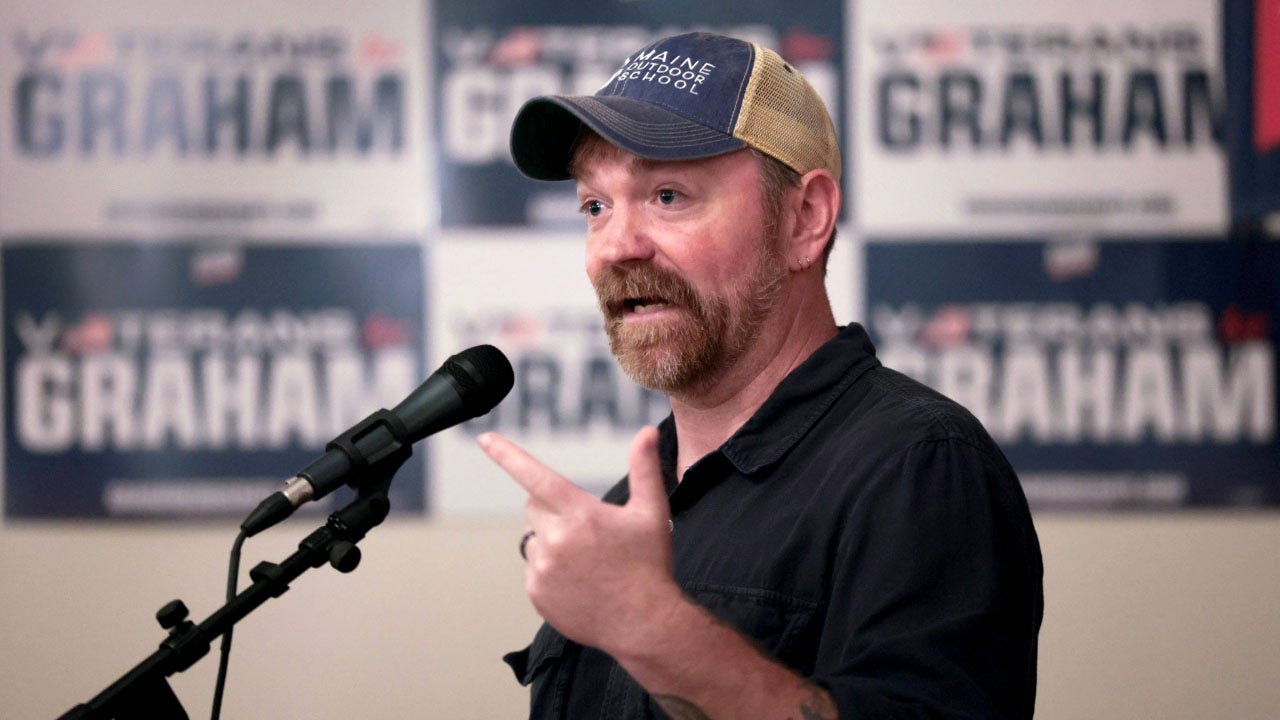
A deleted Reddit account linked to Maine Democratic Senate candidate Graham Platner resurfaced with a June 2019 post that appears to mock Pfc. Ted Daniels, a U.S. soldier who was shot four times in a 2012 engagement with Taliban fighters and later received a Purple Heart. The post quoted a helmet-cam video of Daniels and included language saying the wounded soldier "didn't deserve to live" and criticized his actions in combat. Daniels later said he had intentionally exposed himself to draw fire away from other members of his unit. Platner has acknowledged owning the Reddit account. Critics from across the political spectrum, including veterans, the National Republican Senatorial Committee, and commentators, have condemned the post; some have suggested Platner needs mental-health support related to combat trauma. Platner, who served four combat tours as a Marine and is backed by progressive senators including Bernie Sanders and Elizabeth Warren, has previously characterized other controversial posts as joking or "s---posting." Other flagged posts attributed to the account include statements about law enforcement, a 2013 post on sexual assault victims later deleted, self-description as a "communist" and "socialist," alleged homophobic slurs, and praise for tactics used by Hamas. Platner became the Democrats' presumptive nominee after Janet Mills ended her campaign; he will face five-term Republican Sen. Susan Collins in the fall. The campaign was contacted for comment.
Biblical Reflection
From a Christian perspective, the central issues are truth, dignity, and accountability. The resurfaced post—if it authentically expresses contempt for a wounded comrade—conflicts with the biblical call to speak truthfully and to honor the vulnerable. Mocking someone who put himself at risk for others undermines the dignity of human life and disrespects the communal bonds the Bible calls believers to preserve (love of neighbor, care for the hurting). At the same time, Christians should avoid rushing to dehumanize a person who served in combat; combat trauma can shape speech and behavior, and pastoral care and discernment are needed. Politically, the story shows how past private online speech becomes public when one seeks office; voters must weigh patterns of character, repentance, and explanation. Media and political actors may amplify or interpret the material in partisan ways—some will use it to discredit the candidate entirely, others to minimize or explain it away. The faithful response is neither reflexive partisanship nor uncritical defense, but sober evaluation: demand factual accuracy, require accountability and sincere repentance where wrongdoing or cruelty is clear, and extend compassion where real psychological wounds are evident. Ultimately, leaders are called to model integrity and speech that builds up rather than tears down (Ephesians 4:29), and the church should pray for truth, restoration, and justice where harm has been done.
Scripture in context
This outlook does not yet include contextual Scripture citations. Do not treat a general biblical theme as an exegetical conclusion.
Faithful Response
No prescribed response is offered. Consider the reflection prompts below in your own church context.
Reflection and Discussion
- 1When a candidate claims past online remarks were "jokes," how should Christians weigh intent versus the real harm words caused and what evidence of repentance should we look for?
- 2Are our responses shaped more by partisan advantage or by consistent standards about human dignity, the honor due to those who serve, and truthful speech?
- 3How do we balance pastoral concern for possible combat-related trauma with the legitimate public expectation that leaders model respectful speech and accountability?
Sources
Reporting links are evidence inputs; Sanctuary News' biblical reflection is commentary.
This outlook currently relies on fewer than two linked sources. Broaden verification before teaching from it.
- 1.Original reportprimary