News Summary
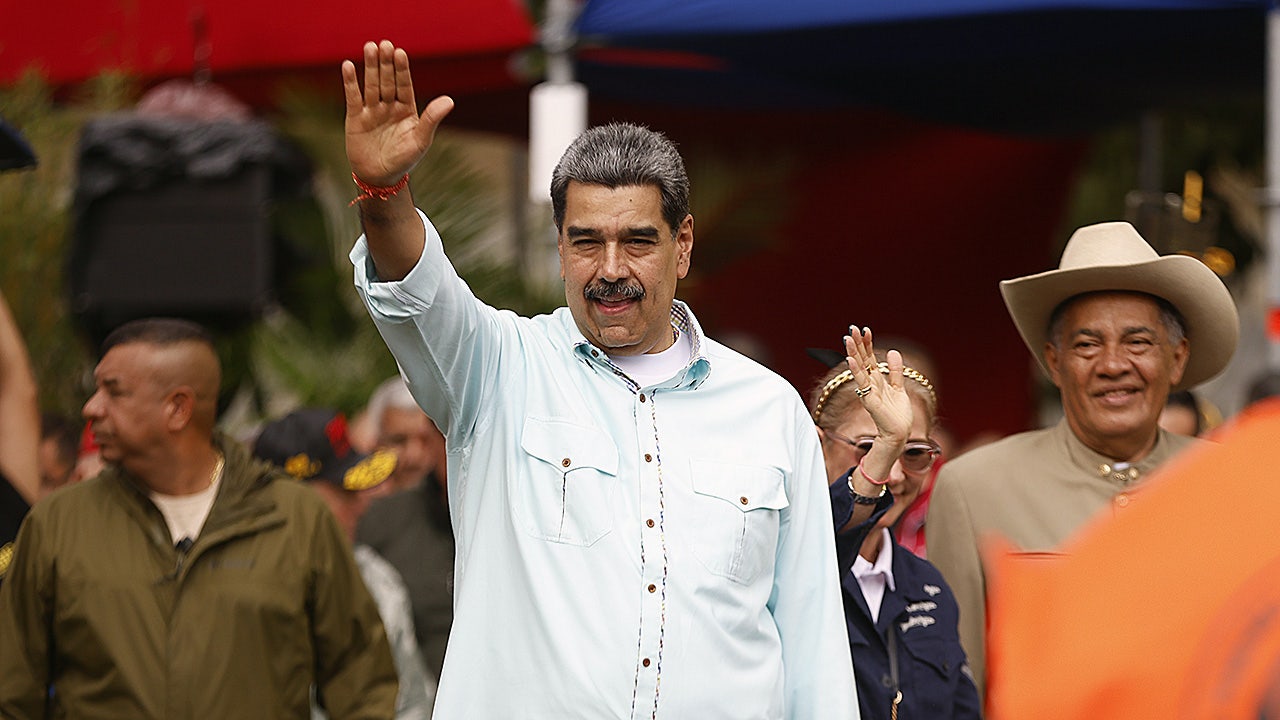
The article reports on a dramatic escalation in U.S.-Venezuelan relations as Venezuelan President Nicolás Maduro addressed the nation on state television and radio while U.S. military strikes were underway in Venezuela. Maduro condemned the strikes as an attack on Venezuela’s sovereignty and accused the U.S. of attempting to force political change through violence and to seize the country's oil and mineral resources. The U.S. military strikes reportedly targeted both civilian and military sites in Caracas and several other states. Following the operation, President Donald Trump announced that Maduro and his wife had been captured and removed from the country, with Attorney General Pam Bondi stating they faced charges including narco-terrorism conspiracy. As a response, Maduro signed a decree declaring a state of 'external disturbance,' granting his government sweeping emergency powers. The situation is framed as a significant international incident with potential regional consequences.
Biblical Reflection
Scripture calls us to be peacemakers and to uphold justice, truth, and the dignity of all people. This story is marked by violence, power struggles, and accusations of corruption and exploitation. While earthly governments often act from a desire for security, justice, or resources, followers of Christ are reminded that true justice and righteousness come from God, not through force or coercion. The use of military intervention, even with the stated aim of removing an oppressive leader, raises deep questions about the ethics of war, the sovereignty of nations, and the human cost of such actions. Jesus taught, 'Blessed are the peacemakers' (Matthew 5:9), and the apostle Paul urged that as far as it depends on us, we should live at peace with everyone (Romans 12:18). At the same time, Scripture condemns those who abuse power or oppress the vulnerable (Isaiah 10:1-2). Christians are called to pray for all leaders (1 Timothy 2:1-2) and to seek justice in ways that reflect God’s heart, not merely political or national interests. This event should prompt us to pray for peace, justice, and for the protection of innocent lives in Venezuela and the wider region, and to examine the motives and methods of earthly powers in light of God’s kingdom values.
Scripture in context
This outlook does not yet include contextual Scripture citations. Do not treat a general biblical theme as an exegetical conclusion.
Faithful Response
No prescribed response is offered. Consider the reflection prompts below in your own church context.
Reflection and Discussion
- 1How can we discern the difference between seeking justice and pursuing vengeance or self-interest on a national scale?
- 2In what ways can Christians advocate for peace and justice, especially when nations are in conflict?
- 3How do we pray for leaders and people on all sides of a conflict, even those we may view as enemies?
Sources
Reporting links are evidence inputs; Sanctuary News' biblical reflection is commentary.
This outlook currently relies on fewer than two linked sources. Broaden verification before teaching from it.
- 1.Original reportprimary