News Summary
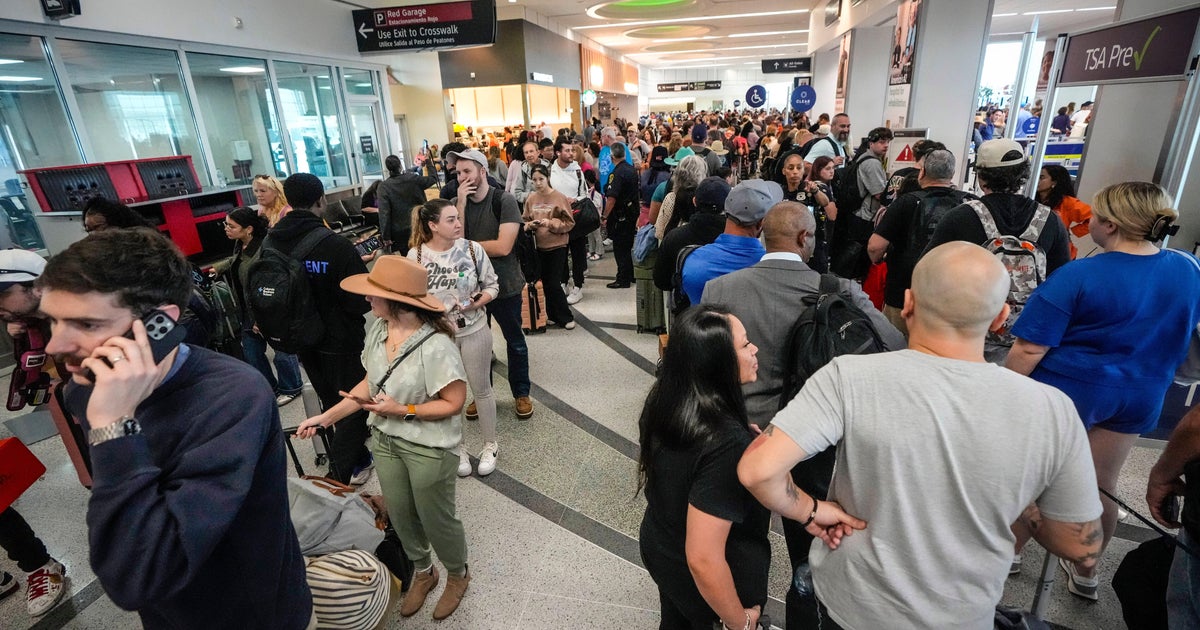
Beginning Feb. 14, a partial shutdown affecting the Department of Homeland Security has left many Transportation Security Administration (TSA) agents working without pay. As spring break travel ramps up, several major U.S. airports — including Hartsfield-Jackson Atlanta International, Louis Armstrong New Orleans, and Houston’s William P. Hobby — have reported extended security checkpoint wait times. Reported waits reached close to an hour at Atlanta’s main checkpoint, up to two hours in New Orleans, and three or more hours in Houston, with lines sometimes spilling into parking garages. Travelers have missed flights and endured multi-hour delays; some rebooked late flights or used paid expedited services. The funding impasse stems from congressional disagreement over DHS funding legislation: the House approved a funding bill, but the Senate failed to reach the 60-vote threshold. Democrats have pushed for reforms to immigration enforcement following fatal shootings by federal agents, while airline leaders and industry groups urged Congress and the administration to restore DHS funding quickly, warning that using transportation workers as political leverage is harmful to the traveling public and workforce.
Biblical Reflection
Scripturally measured, this story touches on several biblical concerns: the responsibility of governing authorities to serve the common good (Romans 13), the dignity and fair treatment of workers (James 5's warning about withheld wages), and the call for mercy toward those harmed by political decisions (Micah 6:8's call to do justice and love mercy). The immediate human impact — exhausted, unpaid security personnel and families missing flights or facing long waits — reveals how political stalemate can injure ordinary people. Christians should resist treating people as instruments or leverage in partisan bargaining; Scripture repeatedly lifts up the poor, the worker, and the vulnerable. At the same time, legitimate calls for accountability and reform in government (including around use of force and immigration enforcement) are not inherently unbiblical; justice and accountability are biblical themes when pursued honestly and humbly. Pastoral honesty requires naming both failures: leaders who weaponize essential services for political ends and policymakers who neglect timely solutions that protect workers and the public. The faithful response includes advocating for just and expedient provision for frontline workers, caring for those inconvenienced or harmed, calling leaders to wise stewardship of public institutions, and practicing patience and love in how we speak about those caught in the middle.
Scripture in context
This outlook does not yet include contextual Scripture citations. Do not treat a general biblical theme as an exegetical conclusion.
Faithful Response
No prescribed response is offered. Consider the reflection prompts below in your own church context.
Reflection and Discussion
- 1How can I pray for and practically support public servants and fellow travelers who are harmed by political stalemate?
- 2In what ways should I hold leaders accountable while also seeking mercy and constructive solutions for those affected?
- 3Am I treating real people as ends in themselves rather than pawns in political arguments?
Sources
Reporting links are evidence inputs; Sanctuary News' biblical reflection is commentary.
This outlook currently relies on fewer than two linked sources. Broaden verification before teaching from it.
- 1.Original reportprimary