News Summary
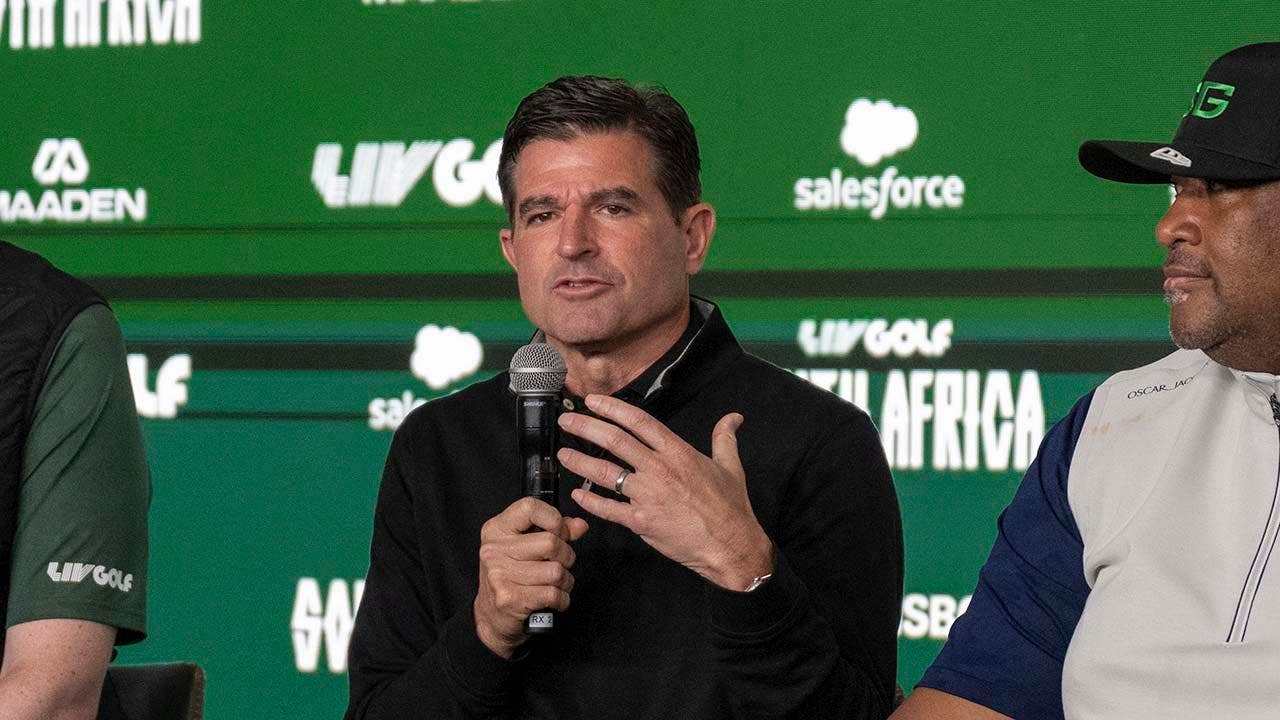
LIV Golf CEO Scott O'Neil confirmed to TNT Sports that the Saudi Arabian Public Investment Fund (PIF) will stop funding LIV Golf after the 2026 season. O'Neil said the league is funded through the current season and that he has a business plan — including structural changes — to sustain the organization going forward. Sources cited by Fox News say the Financial Times first reported PIF's decision. O'Neil also sent a memo to employees assuring them that the 2026 season will proceed "exactly as planned" and emphasized the organization's focus on revenue growth and creating a self-sustaining business. The article notes LIV Golf began in 2022, has changed its tournament format (from 54 to 72 holes this season), and mentions players who have won majors while associated with LIV and some who have returned to the PGA Tour.
Biblical Reflection
The article reports a business reality: a major backer is withdrawing and LIV's leadership is publicly positioning the league as able to adapt. From a Christian perspective, this moment invites careful discernment rather than reflexive cheer or condemnation. On one hand, O'Neil's emphasis on creating a self-sustaining business and honest internal communication to staff reflect responsible stewardship and care for employees. On the other hand, the underlying ethical questions about the source of funding — and whether accepting money from an actor with contested human-rights records constitutes complicity or a pragmatic partnership — are not addressed in the article. The piece largely reproduces management's public-relations framing (resilience, disruption, revenue trajectory) and does not probe the terms of the funding, the motivations of the funder, or the moral tensions critics raise (sometimes called "sportswashing"). Christians should evaluate both means and ends: financial success and innovation are not inherently wrong, but how resources are obtained and what costs are borne in character and witness matter. Practically, that means seeking transparency, asking whether alliances compromise moral integrity, and remembering that public narratives often foreground business optimism while sidelining deeper ethical and human impacts.
Scripture in context
This outlook does not yet include contextual Scripture citations. Do not treat a general biblical theme as an exegetical conclusion.
Faithful Response
No prescribed response is offered. Consider the reflection prompts below in your own church context.
Reflection and Discussion
- 1What important questions about the source, terms, and transparency of funding does this article leave unanswered, and why might those omissions matter morally?
- 2Does the article primarily adopt the league's business-minded frame (growth, disruption, resilience) rather than engaging with ethical concerns about the funder; what worldview does that framing reveal?
- 3How should Christian leaders and consumers balance appreciation for organizational resilience with concern about partnerships that may conflict with gospel values?
Sources
Reporting links are evidence inputs; Sanctuary News' biblical reflection is commentary.
This outlook currently relies on fewer than two linked sources. Broaden verification before teaching from it.
- 1.Original reportprimary