News Summary
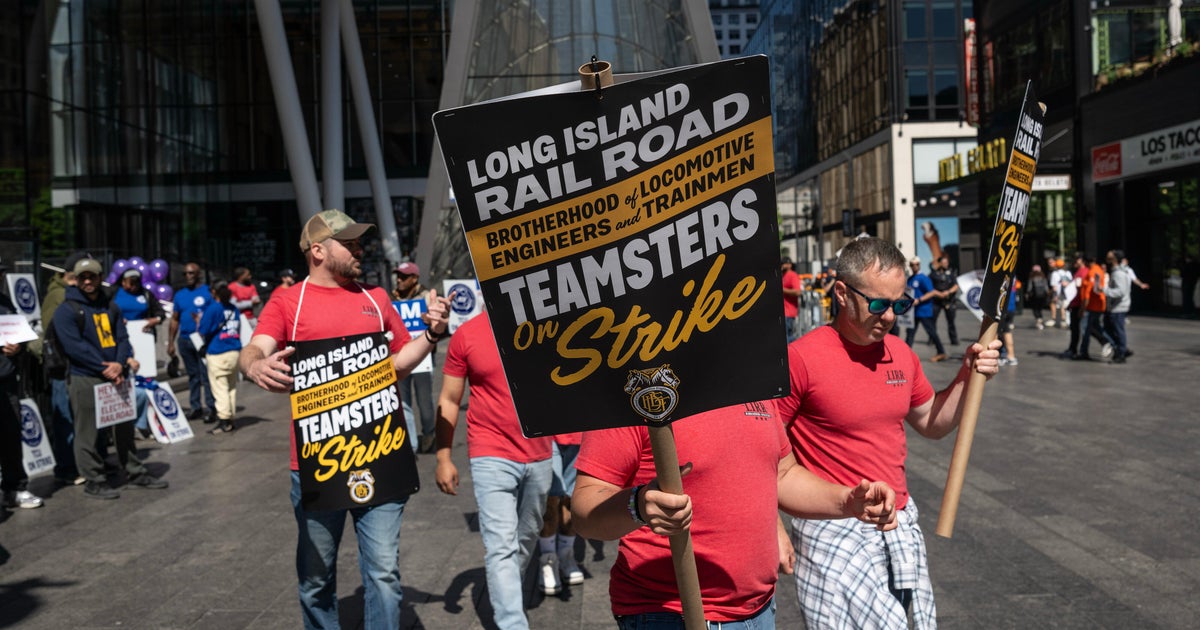
The Long Island Rail Road (LIRR) remained shut down for a third day as late-night talks between the MTA and unions failed to reach a deal. The National Mediation Board convened both sides Sunday evening; negotiations were scheduled to resume at 7:30 a.m. Monday. The strike is over the final year of a four-year contract: the MTA offered 9.5% wage increases and reported being a percentage point away from agreement on the fourth year, while unions say talks collapsed after the MTA sought to raise healthcare contributions for new hires from 2% to 10%. Union representatives emphasized a modest wage increase and objected to putting health insurance on the table. MTA CEO Janno Lieber said LIRR workers are among the highest-paid railway workers in the U.S. The MTA deployed 275 free shuttle buses from six LIRR stations to Queens, capable of carrying roughly 13,000 riders daily versus the system’s usual 250,000 daily riders, and urged telework where possible. Officials warned that even if a deal is reached quickly, service would need at least a day for inspections and crew positioning before full operations could resume. Transportation experts warned of ripple effects across subways, buses, and Long Island roadways.
Biblical Reflection
The article reports the immediate facts and quotes both sides, but it largely leaves deeper context unexplored: the long-term financial pressures on a public transit agency, the history of bargaining between the parties, and the lived burden on lower-income or shift workers who may have fewer alternatives. From a Christian perspective, this story highlights tensions between workers’ dignity and the common good. Scripture calls us to pursue justice for laborers (their fair wages and care) while also loving and serving neighbors who depend on public services. The coverage is reasonably balanced in presenting claims from unions and the MTA, but readers should note claims about wages and benefits are contested and need factual verification (e.g., comparative pay data, actuarial healthcare costs). The article’s practical focus on disruptions and contingency plans is helpful, but Christians should also ask whether public institutions, labor representatives, and the community are acting with humility, patience, and a commitment to the vulnerable. In evaluating truthfulness, the piece does not appear to invent facts, but it amplifies competing narratives without adjudicating them; that invites readers to seek additional sources and to weigh both justice for workers and stewardship of public resources. Spiritually, the situation calls for advocacy that balances honesty, compassion, and the pursuit of solutions that protect workers’ dignity and the welfare of commuters.
Scripture in context
This outlook does not yet include contextual Scripture citations. Do not treat a general biblical theme as an exegetical conclusion.
Faithful Response
No prescribed response is offered. Consider the reflection prompts below in your own church context.
Reflection and Discussion
- 1Whose needs and voices are centered in the reporting—union members, management, commuters with limited alternatives—and what additional sources would help balance the picture?
- 2Are negotiators and public officials weighing the dignity and fair compensation of workers alongside their responsibility to the broader community, especially the most vulnerable riders?
- 3Does the coverage encourage quick judgments, or does it prompt careful, humble evaluation and a search for facts that can lead to just and merciful outcomes?
Sources
Reporting links are evidence inputs; Sanctuary News' biblical reflection is commentary.
This outlook currently relies on fewer than two linked sources. Broaden verification before teaching from it.
- 1.Original reportprimary