News Summary
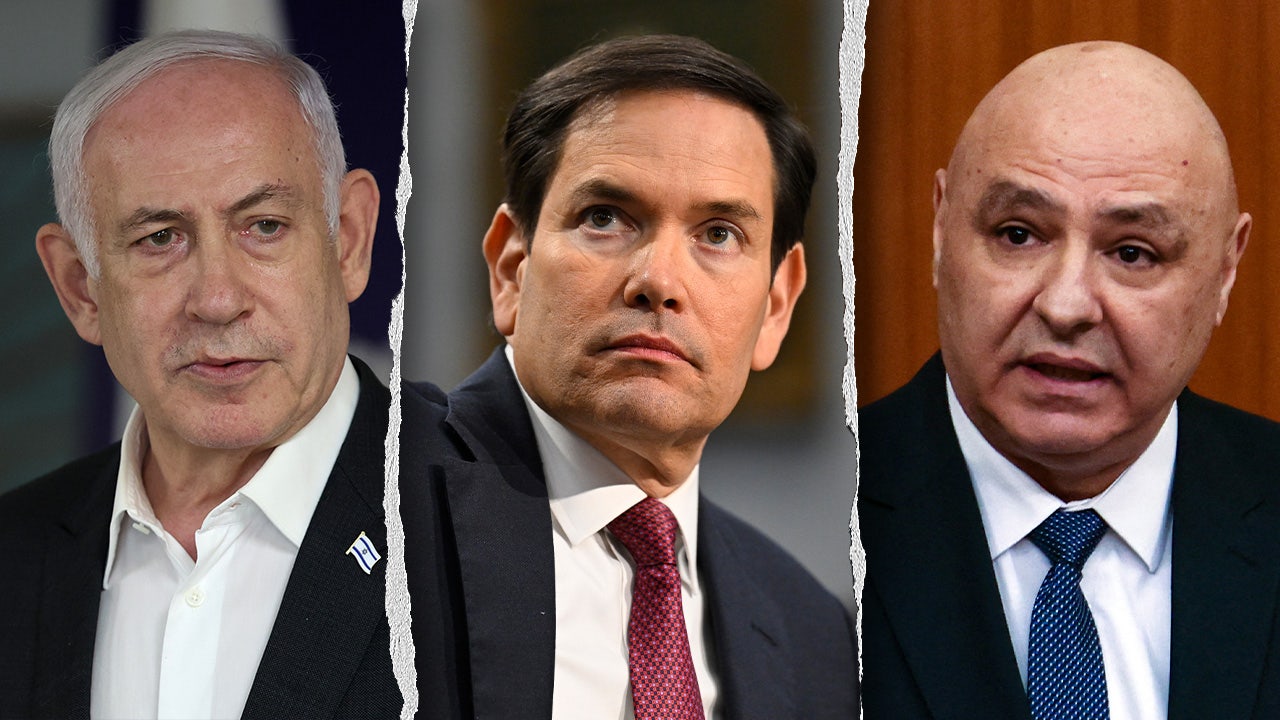
President Donald Trump posted that Lebanese President Joseph Aoun and Israeli Prime Minister Benjamin Netanyahu would speak 'tomorrow' and announced an agreed 10-day ceasefire, saying he had spoken separately with both leaders. Lebanese officials rapidly disputed that a direct call between Aoun and Netanyahu would occur before a ceasefire was secured, and a senior Lebanese official told Fox News Digital Aoun would not speak with Netanyahu for now. Aoun spoke by phone with U.S. Secretary of State Marco Rubio and later with Trump; Lebanon's presidency thanked the U.S. for efforts toward a ceasefire. The Israel Defense Forces said it struck more than 200 Hezbollah targets in Lebanon over 24 hours. Israeli officials say their aim is to push Hezbollah away from the border and have indicated openness to negotiations while maintaining military pressure. Lebanon has said it prefers a ceasefire as the entry point to direct negotiations and has demanded an Israeli withdrawal from southern Lebanon before fully redeploying its troops. Hezbollah opposes contact with Israel and has continued attacks; Lebanese public opinion and domestic pressure were cited as reasons the government has been reluctant to engage directly with Israel while fighting continues. Reported casualties and displacement since Hezbollah's intervention include more than 2,100 dead in Lebanon and over 1.2 million displaced; Israeli officials reported civilian and military casualties. The article cites comments from Pakistani officials about the regional importance of ending fighting, notes diplomatic contacts between Israeli and Lebanese envoys in Washington, and reports ongoing military activity around southern Lebanon and the Litani River.
Biblical Reflection
This story highlights the tension between the urgent longing for peace and the messy realities of war, politics, and public opinion. Scripture calls Christians to pursue peace, yet peacemaking in international conflicts requires truth, justice, and realistic sequencing (e.g., ceasefires, security guarantees, and accountability). The article shows competing narratives: a U.S. leader’s optimistic public claim of imminent talks and a Lebanese government wary of appearing to negotiate before a ceasefire or tangible concessions. Watch for political communication that simplifies or prematurely declares diplomatic breakthroughs for domestic or reputational gain. At the same time, recognize the genuine human cost—death, displacement, and fear—that should move Christians to lament and pray for protection of civilians and wise leadership. The presence of non-state armed actors like Hezbollah complicates state-to-state diplomacy and raises ethical questions about disarmament, civilian safety, and the rule of law. As you read reports like this, hold together two biblical convictions: desire for peace (Matthew 5:9) and the call for justice and protection of the vulnerable (Isaiah 1:17; Micah 6:8). Be cautious of narratives that equate hopeful pronouncements with lasting solutions; durable peace typically requires patient, hard work, credible guarantees, and repentance from violence.
Scripture in context
This outlook does not yet include contextual Scripture citations. Do not treat a general biblical theme as an exegetical conclusion.
Faithful Response
No prescribed response is offered. Consider the reflection prompts below in your own church context.
Reflection and Discussion
- 1Does the article present a step toward peace as a finished achievement or as a fragile, contested process—and how does that affect how we trust official statements?
- 2Whose perspectives are amplified (political leaders, state officials, armed groups, civilians), and what spiritual responsibilities do Christians have when public narratives may obscure the suffering of noncombatants?
- 3Are calls for quick diplomatic wins being used for political advantage, and how should Christians weigh hopeful rhetoric against the concrete needs for justice, security, and accountability?
Sources
Reporting links are evidence inputs; Sanctuary News' biblical reflection is commentary.
This outlook currently relies on fewer than two linked sources. Broaden verification before teaching from it.
- 1.Original reportprimary