News Summary
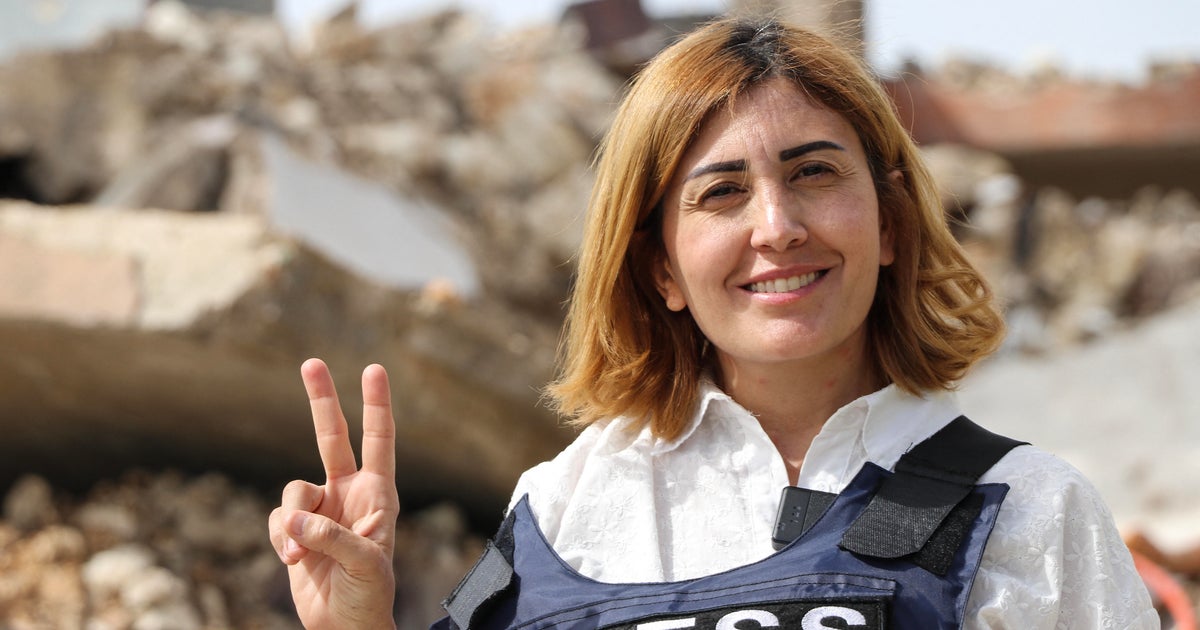
On April 23, 2026, Amal Khalil, a 43-year-old reporter for the Lebanese newspaper Al-Akhbar, was killed in southern Lebanon after an Israeli drone strike damaged a building where she and another journalist were sheltering, according to Lebanon's Union of Journalists and the Lebanese Health Ministry. Photojournalist Zeinab Faraj was wounded and rescued; rescuers say they were prevented from reaching Khalil for nearly four hours because of Israeli gunfire and stun grenades, and that Khalil bled to death under rubble. Lebanon's prime minister, Nawaf Salam, publicly accused Israel of committing a war crime for targeting media workers and obstructing rescue efforts. The Israel Defense Forces (IDF) denied preventing rescue teams from reaching the site, said it does not target journalists and claimed it had targeted two vehicles it assessed as leaving a Hezbollah military structure and posing an immediate threat; the IDF has not acknowledged Khalil's death. Reporters Without Borders and the Lebanese Red Cross are reported to have sought safe passage for ambulances. The Committee to Protect Journalists reports that Israeli forces have killed at least 260 media workers since Oct. 7, 2023, a figure cited in coverage. Khalil had previously said in 2024 she received a death threat she attributed to Israeli forces. Her funeral was held in Baysariyah, southern Lebanon.
Biblical Reflection
From a Christian perspective, this report raises urgent moral concerns: the death of a journalist and the alleged obstruction of medical rescue strike at the core of human dignity and the protection of noncombatants. Scripture repeatedly calls believers to defend the vulnerable and pursue justice (e.g., Proverbs 31:8-9). At the same time, wartime reporting often includes competing claims and high emotions; governments, militaries, and local groups may present partial accounts to justify actions or shape public opinion. The article fairly presents both Lebanon's accusation and the IDF's denial, but readers should note that key factual points remain disputed (who fired when, whether ambulances were effectively blocked, the identities/intent of the vehicles struck) and require independent investigation before legal conclusions such as "war crime" can be confirmed. Christians should grieve the loss of life, pray for the wounded and families, and insist on transparent, impartial investigations that protect civilians and journalists. We must avoid quick certainty in the face of conflicting narratives, call for truth and accountability equally for all parties, and advocate for humanitarian access and legal processes that uphold justice and mercy.
Scripture in context
This outlook does not yet include contextual Scripture citations. Do not treat a general biblical theme as an exegetical conclusion.
Faithful Response
No prescribed response is offered. Consider the reflection prompts below in your own church context.
Reflection and Discussion
- 1Which claims in this report are verified facts and which are allegations or partisan statements that still need independent investigation?
- 2How does wartime rhetoric from each side shape our immediate sympathies, and how should Scripture guide us in seeking impartial justice rather than taking sides uncritically?
- 3Are we consistently calling for protection of civilians, humanitarian access, and accountability across contexts, or only when those harmed align with our preferred narrative?
Sources
Reporting links are evidence inputs; Sanctuary News' biblical reflection is commentary.
This outlook currently relies on fewer than two linked sources. Broaden verification before teaching from it.
- 1.Original reportprimary