News Summary
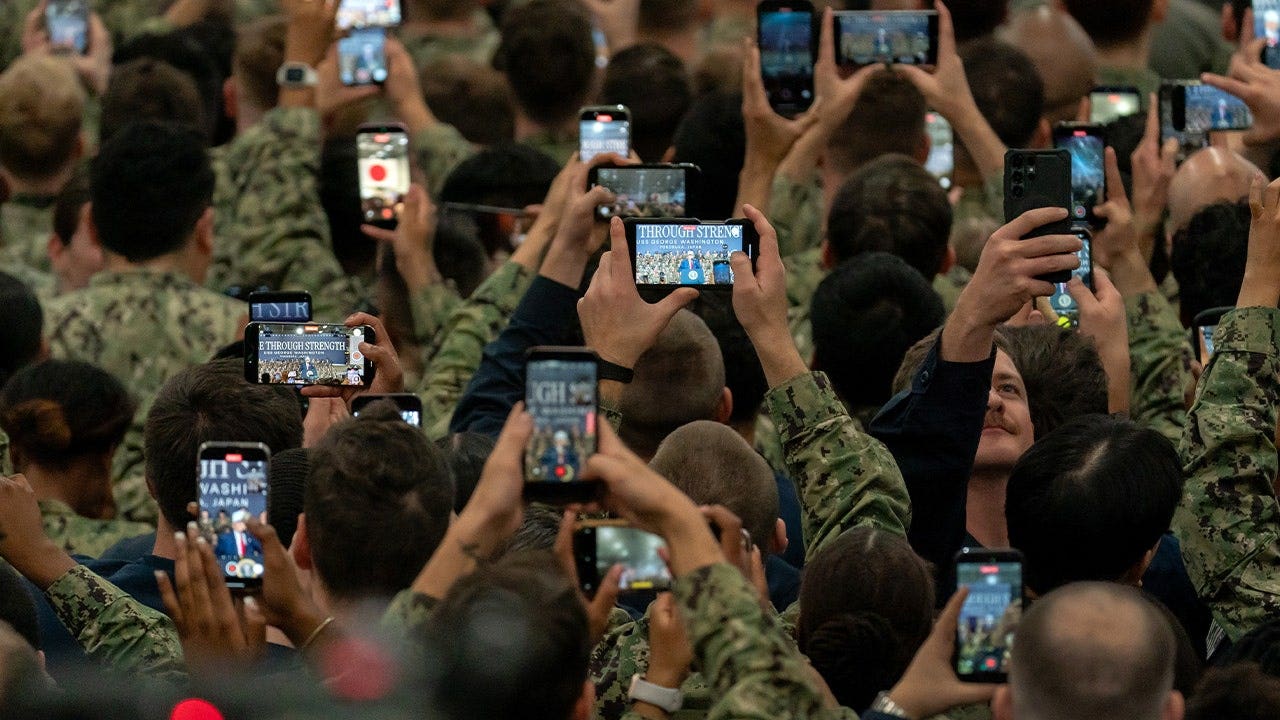
Bipartisan lawmakers led by Sen. Ron Wyden and Rep. Pat Harrigan sent a letter to the Department of Defense’s Chief Information Officer, Kirsten Davies, asking for answers after U.S. Central Command (CENTCOM) told Congress it had received multiple threat reports that foreign adversaries were exploiting commercially available location data to target or surveil U.S. military personnel overseas. The lawmakers said the Pentagon has not implemented recommended defenses and noted CENTCOM only recently (in May) rolled out an administrative capability to disable location sharing on government-issued smartphones. They also said advertising identifiers — persistent tracking IDs used by advertisers and data brokers — remain active on government devices despite cybersecurity recommendations to disable them. The letter urged the Defense Department to disable advertising identifiers on government devices, require guidance for personnel to disable them on personal devices used overseas or on installations, and replace web browsers that facilitate advertising-related data collection with privacy-focused alternatives. The article references past incidents (e.g., a 2018 fitness-app heat map) and quotes cybersecurity experts who warn that commercially collected location data can be bought or obtained and used to identify installations, monitor movements, track individuals, and create detailed “patterns of life.” The Pentagon was contacted for comment but no response is recorded in the article.
Biblical Reflection
From a Christian perspective, this report highlights a real and preventable vulnerability that affects the safety of neighbors who serve — both active-duty personnel and their families. The lawmakers’ concern is a legitimate call for accountability and stewardship: governments have a duty to protect those they deploy, and private-sector practices that commodify personal location data raise ethical questions about profit, consent and harm. The article focuses on national-security risks and cites experts and concrete examples; however, it comes from a single news outlet and emphasizes urgency, which can amplify fear. Discernment calls us to weigh the factual claims (CENTCOM reports, recent technical changes, the persistence of advertising identifiers) while remaining cautious about sensational framing. Practically, the situation exposes two competing worldviews: one that treats personal data as a commercial commodity and one that treats people as neighbors whose privacy and safety merit protection. Christian wisdom urges transparency, humble accountability from leaders, and policy that balances technological innovation with the protection of vulnerable lives.
Scripture in context
This outlook does not yet include contextual Scripture citations. Do not treat a general biblical theme as an exegetical conclusion.
Faithful Response
No prescribed response is offered. Consider the reflection prompts below in your own church context.
Reflection and Discussion
- 1Whose interests shape the collection and sale of location data — and where do we see incentives that might conflict with protecting human life and dignity?
- 2Are public officials and private companies being held to the same standard of accountability when their choices expose people to harm?
- 3How does the ease of buying digital information change our assumptions about privacy and neighbor-love in a connected world?
Sources
Reporting links are evidence inputs; Sanctuary News' biblical reflection is commentary.
This outlook currently relies on fewer than two linked sources. Broaden verification before teaching from it.
- 1.Original reportprimary