News Summary
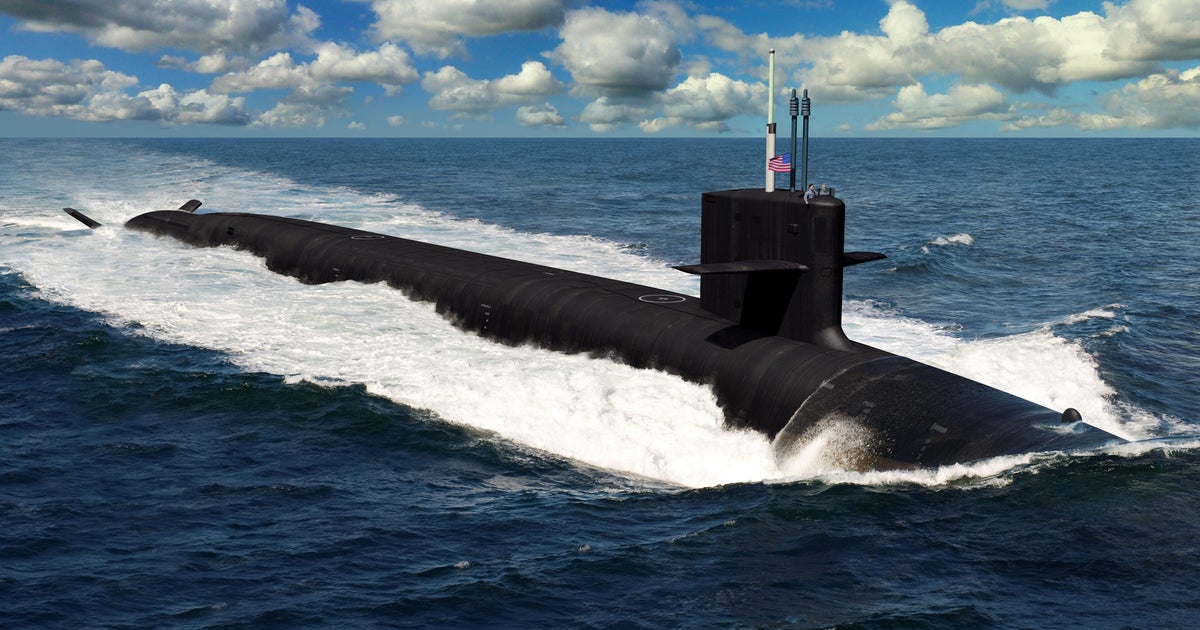
The article reports on the expiration of the New START Treaty, the last remaining arms control agreement between the United States and Russia that limited the number of deployed strategic nuclear weapons. The treaty, which set a cap of 1,550 deployable nuclear weapons per side and required on-site inspections, lapsed without renewal or replacement. Russia had already suspended inspections during the war in Ukraine, although it reportedly remained within the treaty's limits. Discussions among U.S. officials, including President Trump and Secretary of State Marco Rubio, indicate a desire to include China in any future agreements, given China's rapidly growing nuclear arsenal. Experts and former officials debated the treaty's effectiveness, especially as it did not limit non-strategic or Chinese nuclear weapons, but some argued that any limits are better than none. Concerns were raised about nuclear proliferation, the aging U.S. arsenal, and the need to modernize the U.S. nuclear triad. There is broad worry that the end of the treaty could trigger a new arms race and increased instability.
Biblical Reflection
From a biblical perspective, the end of a major arms control treaty is a sobering development. Scripture repeatedly calls humanity to pursue peace, justice, and mutual respect, warning against the dangers of pride, rivalry, and the trust in human power (Psalm 20:7; Micah 4:3). The existence and multiplication of nuclear weapons—tools designed for mass destruction—stand in stark contrast to the biblical vision of beating 'swords into plowshares' (Isaiah 2:4). The lack of agreement and the willingness to let treaties expire reflect a world in need of reconciliation, humility, and genuine peacemaking. While national security is a legitimate concern, the pursuit of overwhelming military might often leads to fear, distrust, and escalation rather than safety. As Christians, we are called to be peacemakers (Matthew 5:9), to pray for leaders, and to advocate for dialogue and restraint. The current situation challenges us to remember that true security is found not in weaponry, but in God's sovereignty and in just, peaceful relationships among nations.
Scripture in context
This outlook does not yet include contextual Scripture citations. Do not treat a general biblical theme as an exegetical conclusion.
Faithful Response
No prescribed response is offered. Consider the reflection prompts below in your own church context.
Reflection and Discussion
- 1How does the existence and potential proliferation of nuclear weapons align with the biblical call to pursue peace?
- 2In what ways can you be a peacemaker in a world that often relies on strength and deterrence rather than dialogue and trust?
- 3How might you pray for world leaders facing decisions that have profound consequences for global security?
Sources
Reporting links are evidence inputs; Sanctuary News' biblical reflection is commentary.
This outlook currently relies on fewer than two linked sources. Broaden verification before teaching from it.
- 1.Original reportprimary