A little more detail
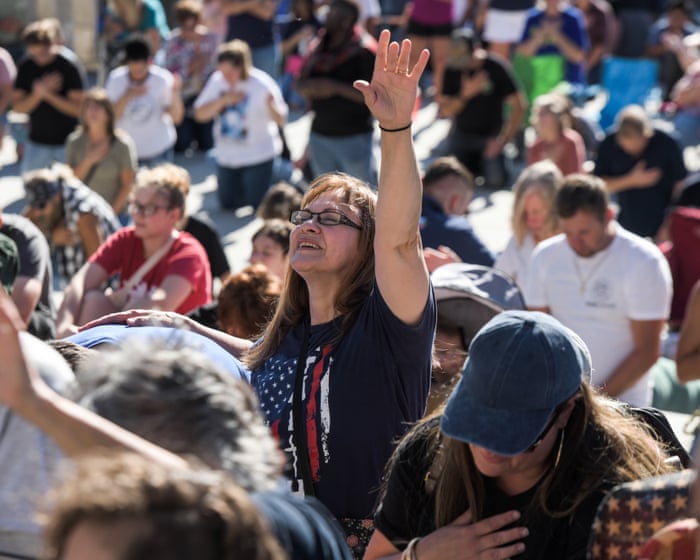
According to reporting by The Guardian, Lance Wallnau held a private, paid "As One" weekend event in the Dallas–Fort Worth area for partners earlier this month. At three sessions, Wallnau spoke about topics including El Salvador’s prison policies, school boards, the future of the movement (including discussion of a successor for Charlie Kirk), and personal disciplines such as diet. The Guardian reports that the midterm elections were not mentioned during those sessions.
Source and Framing Analysis
Primary source: a single investigative report published by The Guardian. The article supplies specific, potentially verifiable details (event name, paid partners, location, and topics discussed) but the reporting excerpt provided does not include on-the-record quotes, event transcripts, or direct sourcing from organizers or attendees in the material supplied here. The Guardian frames the absence of explicit midterm mobilization as notable and interprets Wallnau’s emphasis on foreign models and cultural institutions as a strategic redirection away from immediate electoral organizing. That framing is coherent with the facts reported, but because the account rests on a single outlet’s coverage of a private paid event, corroboration (event materials, recordings, attendee testimony, or other reporting) would strengthen confidence. The piece identifies Wallnau as an early pro-Trump evangelical and places his choices in the context of broader movement strategy; those characterizations are contextual but attributable to the outlet’s reporting choices rather than to a demonstrated change in Wallnau’s entire public activity.
How sources covered this story
Sanctuary separately assesses reporting quality and alignment with Christian virtues. The virtues assessment considers truthfulness, dignity, compassion, justice, peacemaking, humility, and care for vulnerable people. It does not assess a publisher's faith or reward religious language.
Compare 1 reports
Reporting 78/100Virtues 74/100
- Distinctive contribution
- Names the event ('As One' weekend), its audience (paying 'partners'), and specific topics Wallnau emphasized (El Salvador’s prison system, school boards, movement strategy, successor for Charlie Kirk, diets), while noting that the midterms were not mentioned at all.
- Framing
- Framed critically: identifies Wallnau as a major pro-Trump evangelical figure who is 'privately' shying away from mobilizing for the Republican party and instead directing supporters to other topics and international examples. The headline and excerpt imply surprise or concern about the absence of midterm-focused messaging.
- Omissions or uncertainty
- The excerpt does not provide direct quotes, specific sourcing (e.g., attendees, recordings, or documents), or Wallnau’s explanation for avoiding the midterms. It does not quantify how representative the 'As One' weekend is of his broader activity, nor does it show whether other sessions or other events included midterm messaging.
- Why these scores
- The excerpt conveys concrete, verifiable details (event name, location, topics) and a clear claim (midterms not mentioned). It is concise and specific. However, the supplied text lacks on-the-record quotes or explicit sourcing for the assertion that the midterms were 'not mentioned once' and uses interpretive language ('privately shied away') that would be stronger if accompanied by sourcing or evidence in the excerpt. Given those limitations but recognizing The Guardian’s general editorial standards and the specificity present, a solid score is appropriate. The excerpt reports critically but without dehumanizing language or sensationalism. It focuses on actions and choices rather than attacking personal character, which aligns reasonably with truthfulness and humility. It could score higher if it included more context on motivations or impacts (compassion/justice angles) or gave voice to those affected; as presented, it is responsibly critical and therefore scores above average.
Biblical Reflection
From a Christian perspective centered on truth, mercy, justice, peacemaking, humility, and dignity for vulnerable neighbors: leaders who blend religious influence and political strategy must be held to standards of transparency, care for the marginalized, and accountability. A shift from explicit electoral mobilization to long-term cultural formation and foreign-model praise can be theologically neutral, constructive, or harmful depending on ends and means. Christians should welcome efforts to strengthen civic life that protect the vulnerable and advance justice, but also require clear distinctions when religious authority is used to cultivate political power or prioritize particular national or foreign models. The church’s responsibility is to test leadership by fruit—whether actions uplift the vulnerable, promote truthful and just public life, and practice humility and peacemaking—rather than by personality or partisan loyalty.
Scripture in context
- 1 — Jesus contrasts worldly leadership that lords power over others with servant leadership, teaching that greatness in his kingdom means serving rather than dominating. — Evaluate leaders who mix faith and political influence by whether their methods protect and uplift the vulnerable and embody servant-hearted responsibility rather than domination.
- 2 — A wisdom admonition against dishonest measures and an exhortation to integrity in public dealings. — Demand transparency and fair dealing from public influencers; weigh private counsel and public claims against standards of honesty and justice.
- 3 — A call to act justly, love mercy, and walk humbly before God as the posture God desires from his people in public life. — Let justice, mercy, and humility guide how Christians receive, critique, or follow political-religious counsel focused on cultural repair or power.
Faithful Response
Pray for discernment for leaders, attendees, and those influenced by such events; ask God to surface truth and protect the vulnerable.
Request clarity and accountability from leaders who use religious authority in political contexts—ask what practical actions they advocate, for whom, and with what safeguards for democratic and vulnerable persons.
Engage directly in local civic institutions (e.g., school boards, community organizations) to assess issues firsthand rather than relying solely on national influencers.
Evaluate leaders by fruit: do their priorities and actions advance the welfare of the marginalized, truthfulness, and peace?
Equip congregations with teaching on civic discipleship that distinguishes cultural formation from partisan mobilization and that centers neighbor-love and justice.
Reflection and Discussion
- 1How should the church weigh cultural formation strategies promoted by charismatic leaders against immediate electoral engagement?
- 2When a religious influencer emphasizes foreign models (for example, El Salvador) as examples to emulate, what questions should Christians ask about context, human rights, and pastoral responsibility?
- 3What accountability structures should congregations and networks require of religious leaders who have significant political influence?
- 4In what ways might focusing on personal disciplines or institutional models distract from or support the church’s call to care for vulnerable neighbors?
Sources
Reporting links are evidence inputs; Sanctuary News' biblical reflection is commentary.
This is a developing, single-source report. Details may change as more reporting becomes available.
- 1.This rightwing evangelical was one of Trump’s biggest backers. Why isn’t he talking about the midterms?primary_reporting