News Summary
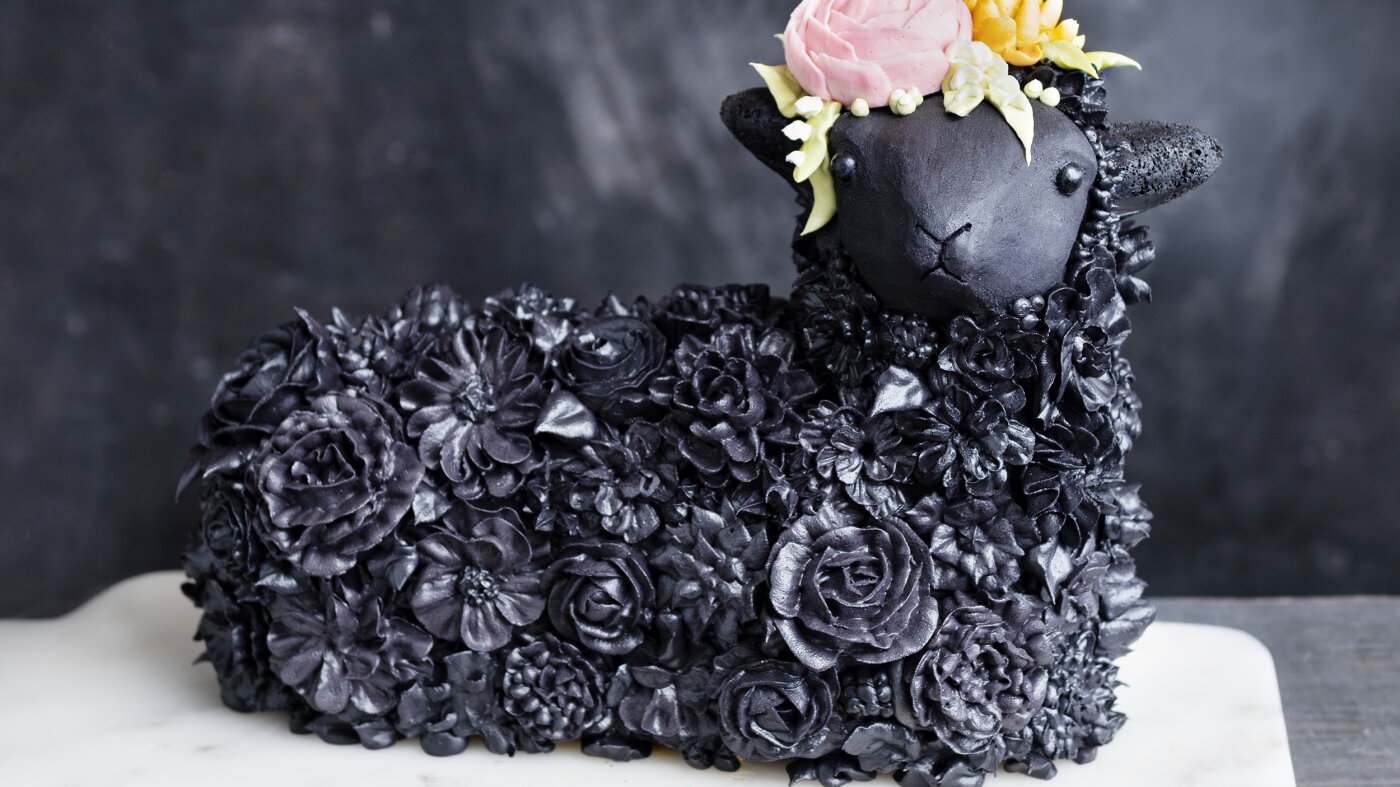
Lamb-shaped cakes are an Easter baking tradition originating in Central Europe (including German osterlamm, Polish baranek wielkanocny, and Alsatian lammele). Historically these cakes were made in copper, brass, ceramic or cast-iron molds; Nordic Ware began mass-producing aluminum lamb pans in the 1940s. The lamb symbolizes Jesus as the sacrificial Passover Lamb, and families have for generations included such cakes in Easter observances—sometimes bringing them to church to be blessed. Contemporary variations include buttercream piping to mimic wool, powdered sugar, coconut, jelly beans, and improvisational constructions using loaf cakes and muffins. Social media has spread both polished and amateur versions. Bakers interviewed describe family heritage, the symbolism of resurrection and new life, and the simple joy the cakes bring during Easter celebrations.
Biblical Reflection
The article is a human-interest piece that factually traces a folk-culinary tradition tied to Christian symbolism. Its basic claims about origins, materials, and contemporary practices are straightforward and not ideologically charged. From a biblical perspective, the lamb motif is a rich and fitting reminder of Christ as the sacrificial Lamb (John 1:29; 1 Peter 1:18–19). Traditions like these can be wholesome means of passing faith and memory across generations, encouraging family worship and reflection. At the same time, Christians should be attentive that symbols point beyond themselves to the gospel: a cake is a signpost, not an object of devotion. There is a subtle cultural shift visible in the piece—from sacramental reverence (bringing cakes to be blessed) toward popularization and commercialization (social-media trends, decorative spectacle). That shift is not inherently sinful, but it does carry the risk that the form (food, festivity, aesthetics) can overshadow the substance (Christ’s atoning work and resurrection). The faithful response is grateful enjoyment of cultural practices that lead to gospel conversation, combined with clarity that our ultimate focus must remain on Christ rather than on culinary novelty or social applause.
Scripture in context
This outlook does not yet include contextual Scripture citations. Do not treat a general biblical theme as an exegetical conclusion.
Faithful Response
No prescribed response is offered. Consider the reflection prompts below in your own church context.
Reflection and Discussion
- 1Does this tradition help point your family and community toward the reality of Christ’s death and resurrection, or does it risk becoming an end in itself?
- 2How does the popularization of a religious symbol (through social media or commerce) change its meaning, and how should Christians steward such cultural practices?
- 3When a beloved practice mixes religious memory and local custom, what steps help ensure the symbol continues to serve gospel formation rather than mere nostalgia?
Sources
Reporting links are evidence inputs; Sanctuary News' biblical reflection is commentary.
This outlook currently relies on fewer than two linked sources. Broaden verification before teaching from it.
- 1.Original reportprimary