News Summary
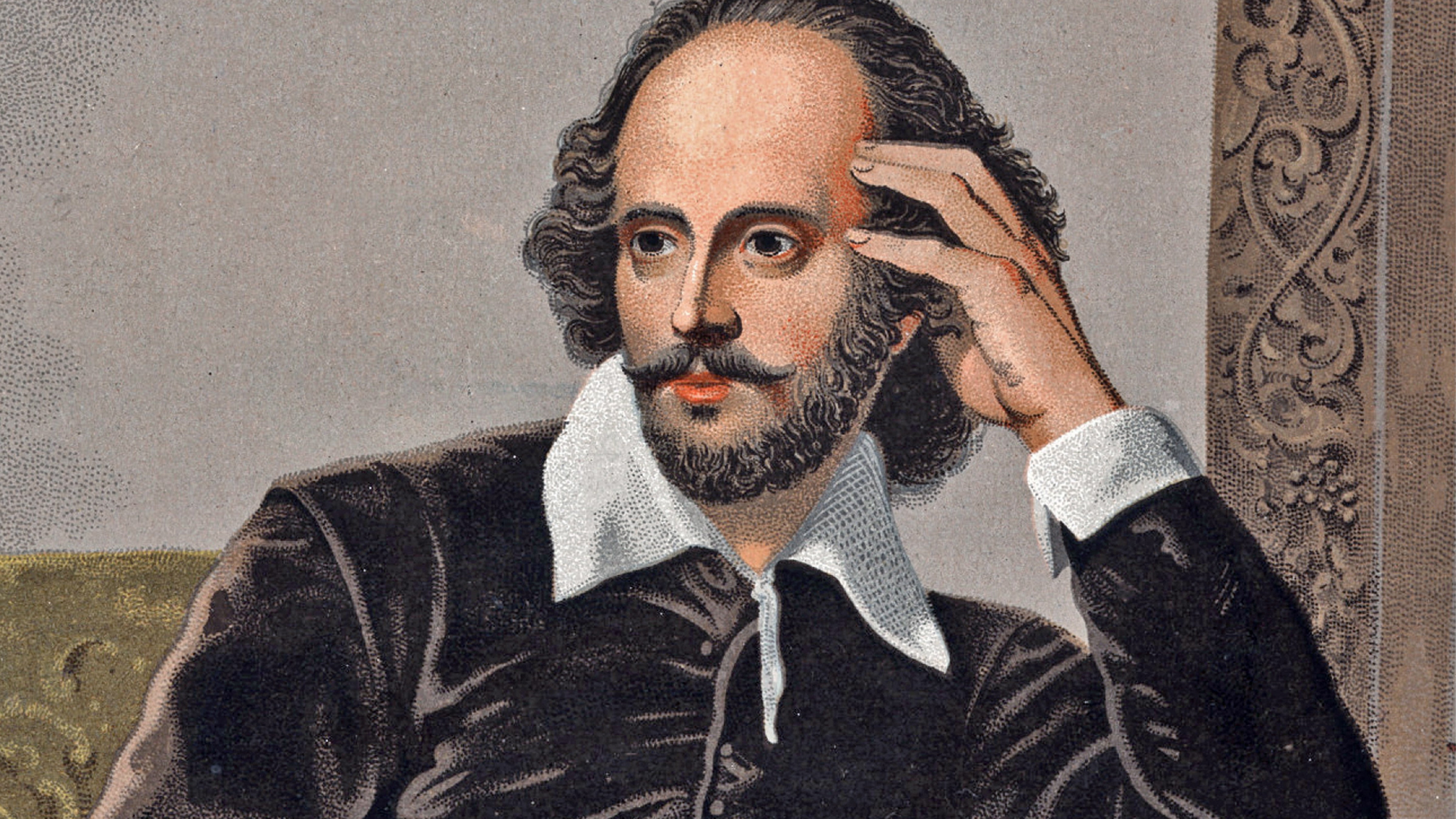
Professor Lucy Munro of King's College London says she has identified the likely site of William Shakespeare's London house in the Blackfriars district. Munro reports finding a previously overlooked 1668 map and linking it to a chain of property records (indentures, lease records and other deeds) tracing ownership from Shakespeare's 1613 purchase through 1667. She locates the property around Ireland Yard, parts of Burgon Street and the area near 5 St. Andrew’s Hill. The 1668 plan Munro describes shows an L-shaped house with a northern section roughly 58 square meters (about 624 square feet) and possibly two stories, including part built over a gate. Records indicate Shakespeare had rented the property by 1616 (naming tenant John Robinson), but Munro argues documentary evidence suggests Shakespeare may originally have sought vacant possession and possibly intended to use part of the house himself. The site is a short walk from the historic Blackfriars playhouse; Munro suggests this may mean Shakespeare continued professional and residential ties to London later in life than some scholarship assumes. She notes archaeological excavation is unlikely now (a prior investigation found no remains) but that documentary research could continue. The article cites King’s College London and Fox News reporting Munro’s claims.
Biblical Reflection
This is a cultural and historical discovery, not a doctrinal or moral claim. Christians can welcome careful historical inquiry because seeking factual accuracy honors truth and helps us understand human creativity and stewardship across time. At the same time, exercise discernment: the language of news coverage (“pinpointed,” “exact location”) can overstate confidence; Munro herself bases the claim on documentary evidence and map interpretation rather than on surviving physical remains. Historical reconstruction often involves interpreting incomplete records, so conclusions should remain provisional and open to revision. From a biblical perspective, the pursuit of truth and humility in scholarship are virtues (seek truth, admit limits). Avoid elevating cultural figures into idols; appreciating Shakespeare’s literary gifts and historical context can coexist with remembering that ultimate dignity rests in being made in God's image, not in fame. Finally, discoveries like this offer opportunities for Christians to engage culture thoughtfully—celebrating artistic achievement, encouraging responsible stewardship of heritage, and using renewed public interest as a chance to point people toward deeper, transcendent truths.
Scripture in context
This outlook does not yet include contextual Scripture citations. Do not treat a general biblical theme as an exegetical conclusion.
Faithful Response
No prescribed response is offered. Consider the reflection prompts below in your own church context.
Reflection and Discussion
- 1What assumptions does the headline and reporting make about certainty, and where does the underlying evidence (maps and deeds vs. archaeology) actually leave room for doubt?
- 2How might our cultural fascination with famous individuals shape how we receive new historical claims—are we tempted to idolize discovery rather than evaluate evidence?
- 3In what ways can recovering historical detail about human creativity and stewardship deepen our praise of God for the gifts he gives people, while keeping those achievements in proper perspective?
Sources
Reporting links are evidence inputs; Sanctuary News' biblical reflection is commentary.
This outlook currently relies on fewer than two linked sources. Broaden verification before teaching from it.
- 1.Original reportprimary