News Summary
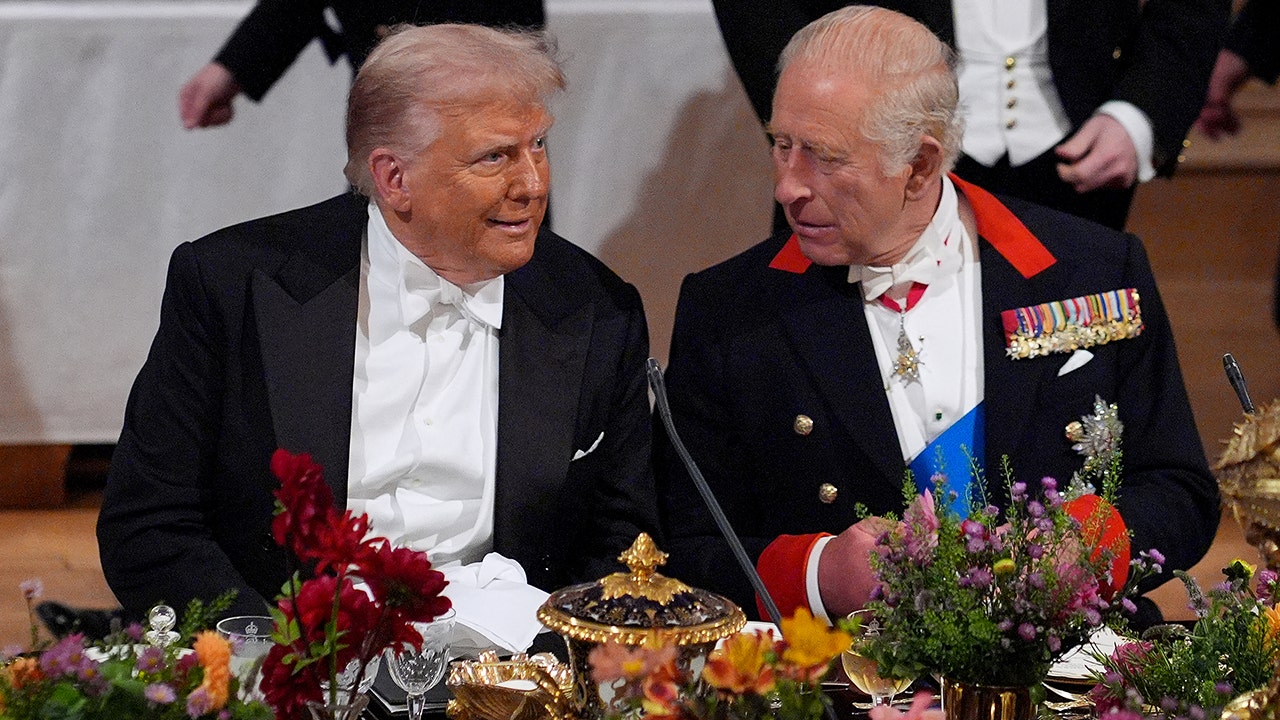
The article surveys the long relationship between U.S. presidents and the British monarchy ahead of King Charles III's visit to Washington, D.C. It notes early antagonism (King George III and the War of 1812) and later warming of ties across the late 19th and 20th centuries as technology and diplomacy expanded. The piece cites moments such as Theodore Roosevelt's 1903 radio message to King Edward VII, King George VI's 1939 White House visit to Franklin D. Roosevelt, and Queen Elizabeth II meeting 13 of the 14 presidents who served during her reign (all but Lyndon B. Johnson). It recounts symbolic diplomatic gestures (FDR's hot dogs for the King, Reagan later being granted an honorary knighthood, and various presidential gifts) and notes the queen's ceremonial role sometimes intersecting with diplomacy (e.g., smoothing Suez-era tensions in 1957). The article refers to Susan Page's book about presidential–royal relations and mentions contemporary challenges facing Charles (references to Epstein fallout, tensions within the monarchy, and alliance rifts), as well as a current U.S.–U.K. disagreement over the war with Iran. It concludes that, although Charles is not a political ruler, his visit could help preserve the long-standing "special relationship." The piece also includes commentary from Tevi Troy, senior fellow at the Ronald Reagan Institute.
Biblical Reflection
From a Christian perspective, the article is largely descriptive and historical; it aims to explain continuity and ceremonial diplomacy rather than argue detailed policy. Its framing emphasizes continuity, symbolism, and personal diplomacy—portraying royal visits as opportunities to ease tensions. Possible biases include a U.S.-centered viewpoint and a tendency to romanticize ceremonial gestures while treating controversies (such as Epstein-linked scandals or debates about the monarchy's future) as side notes. Scripture calls believers to seek peace and wise leadership, but also to pursue justice and accountability. Thus Christians can appreciate the peacemaking potential of high-level, nonpartisan gestures (they can calm tensions and create space for dialogue), while remaining watchful that ceremonial friendship not obscure the need for truthful reckoning with wrongdoing, responsible leadership, and care for the vulnerable. Remember that national and institutional loyalties are secondary to allegiance to Christ; public pageantry can point to good ends (peace, cooperation) but must be measured against truth, humility, and justice.
Scripture in context
This outlook does not yet include contextual Scripture citations. Do not treat a general biblical theme as an exegetical conclusion.
Faithful Response
No prescribed response is offered. Consider the reflection prompts below in your own church context.
Reflection and Discussion
- 1How does the article's emphasis on symbolism and continuity shape our view of diplomacy compared with attention to accountability and justice?
- 2Are we tempted to let national ritual or celebrity soften our scrutiny of institutions when scandals or ethical questions remain unresolved?
- 3How should Christians balance valuing peacemaking gestures by leaders with calling for truth, transparency, and care for the vulnerable?
Sources
Reporting links are evidence inputs; Sanctuary News' biblical reflection is commentary.
This outlook currently relies on fewer than two linked sources. Broaden verification before teaching from it.
- 1.Original reportprimary