News Summary
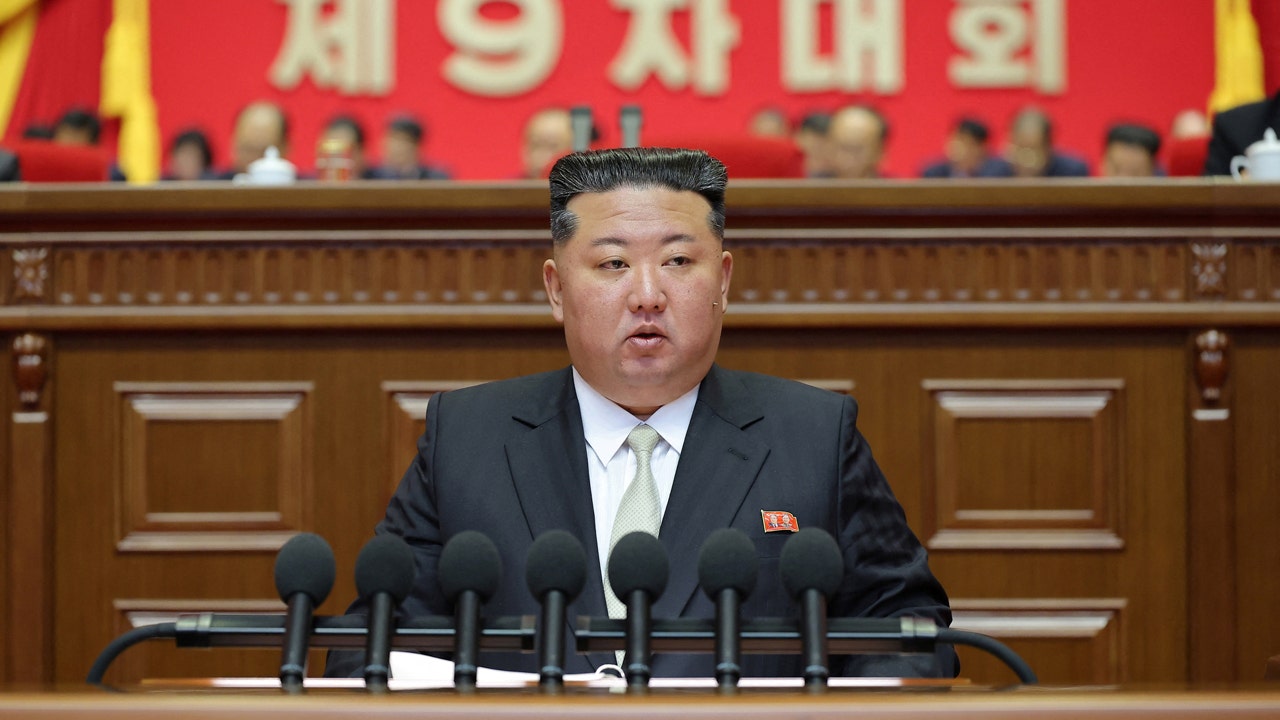
The article reports on North Korean leader Kim Jong Un's recent statements at the Ninth Congress of the Workers’ Party in Pyongyang, where he labeled South Korea as the 'most hostile enemy.' Kim threatened that North Korea could 'completely destroy' South Korea if provoked and dismissed recent diplomatic overtures from Seoul as deceptive. He outlined North Korea’s intention to expand its nuclear arsenal and military capabilities, including the development of advanced ballistic missiles and AI-driven weapons. Kim also stated that North Korea is prepared for either peaceful coexistence or confrontation with the United States, depending on the U.S.'s approach. The article notes Kim's re-election as general secretary and the increasing profile of his daughter, who has been given a leadership role within the regime’s missile administration.
Biblical Reflection
This news starkly contrasts with biblical teachings on peace, reconciliation, and the sanctity of human life. Scripture calls for peacemaking (Matthew 5:9), warns against hatred (1 John 2:9-11), and condemns the pursuit of violence (Psalm 11:5). Kim Jong Un's threats, focus on destruction, and expansion of nuclear capabilities reflect a heart hardened to the commands of Christ, who instructs us to love our enemies and seek peace (Matthew 5:44). The escalation of hostility and arms does not lead to true security but breeds further insecurity, fear, and potential devastation. As Christians, we are reminded that earthly power is fleeting and that ultimate justice and peace come from God, not from weapons or threats. This situation calls believers to pray for the leaders of North and South Korea, for the de-escalation of conflict, and for the hearts of rulers to be turned from aggression toward wisdom, humility, and peace.
Scripture in context
This outlook does not yet include contextual Scripture citations. Do not treat a general biblical theme as an exegetical conclusion.
Faithful Response
No prescribed response is offered. Consider the reflection prompts below in your own church context.
Reflection and Discussion
- 1How can I personally contribute to peace in my relationships and community, even when faced with hostility?
- 2What does it mean to trust in God's sovereignty in the face of global threats and instability?
- 3How might prayer and advocacy for peace impact situations that seem beyond my control?
Sources
Reporting links are evidence inputs; Sanctuary News' biblical reflection is commentary.
This outlook currently relies on fewer than two linked sources. Broaden verification before teaching from it.
- 1.Original reportprimary