News Summary
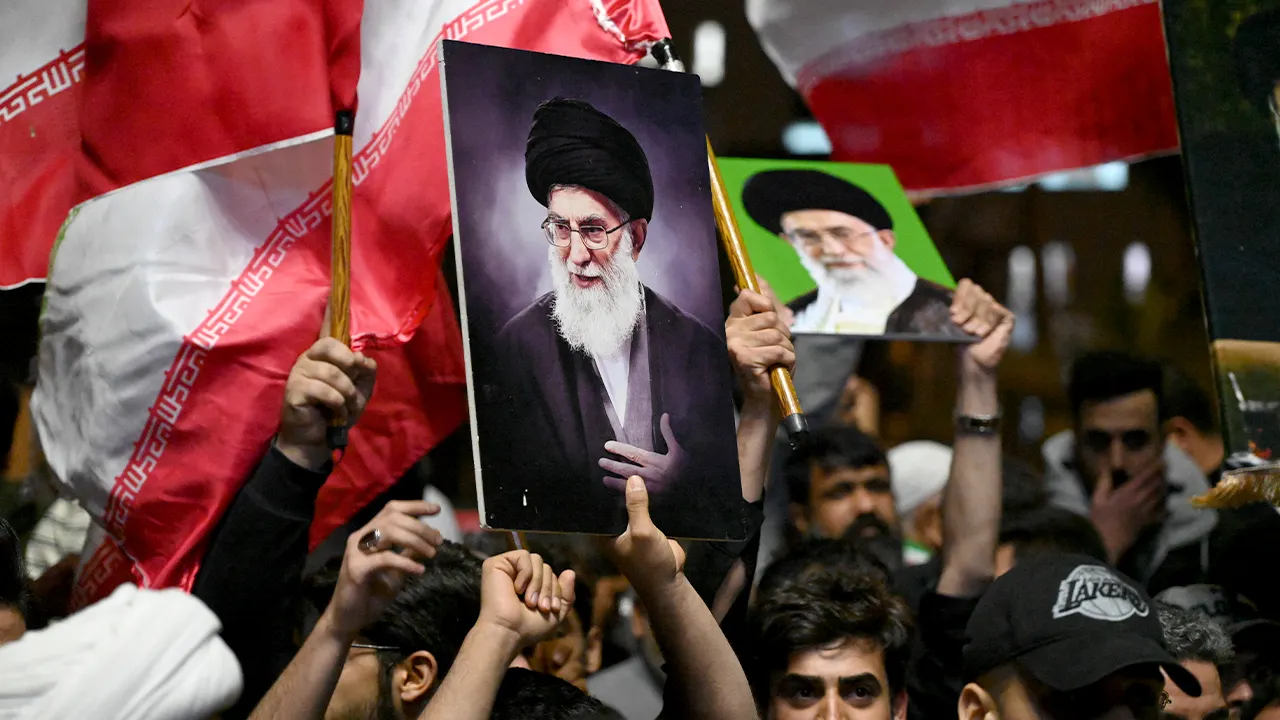
The article reports on the significant political and religious transition facing Iran after the death of Supreme Leader Ayatollah Ali Khamenei, who ruled for more than three decades. Khamenei’s sudden death, reportedly due to an Israeli strike, has triggered a period of uncertainty and potential instability in Iran’s entrenched theocracy. Despite the shock, the regime had prepared for such an event, and analysts expect that the powerful Revolutionary Guard and a narrow group of clerical elites will work to ensure continuity. The Office of the Supreme Leader, described as an extensive parallel state, has consolidated power and is expected to guide the succession process, with the Assembly of Experts constitutionally responsible for selecting the next leader. The article suggests that real reform is unlikely in the short term, as the deeply institutionalized power structures are poised to maintain the regime’s ideological framework, regardless of who is named as successor. Large crowds have gathered in Tehran, and there is speculation about the future direction of the country and its leadership.
Biblical Reflection
From a Christian and biblical perspective, this moment in Iran’s history underscores the transient nature of earthly power and the dangers of systems built on concentrated, unchecked authority. Scripture teaches that all rulers, no matter how entrenched, are ultimately subject to God’s sovereignty (Daniel 2:21). The article describes an environment where power is maintained by force, secrecy, and institutional control, echoing warnings in scripture about the corruption and oppression that can arise when leaders serve their own interests rather than seeking justice, mercy, and humility before God (Micah 6:8). The lack of true reform or openness in the face of leadership change reminds us of Jesus’ critique of religious leaders who cared more for tradition and power than for truth or righteousness (Matthew 23:23-28). Christians are called to pray for peace, justice, and the freedom of the oppressed, and to remember that human governments—however formidable—are temporary, while God’s kingdom endures. Ultimately, the hope for meaningful change in any nation rests not in political systems, but in the transformation of hearts and the pursuit of justice and mercy as God desires.
Scripture in context
This outlook does not yet include contextual Scripture citations. Do not treat a general biblical theme as an exegetical conclusion.
Faithful Response
No prescribed response is offered. Consider the reflection prompts below in your own church context.
Reflection and Discussion
- 1Where do I see the temptation to trust in human power structures rather than in God’s sovereignty?
- 2How can I pray for nations experiencing political upheaval and for leaders to pursue justice and mercy?
- 3What does it look like to hope for true change—not just new leadership, but transformed hearts and societies?
Sources
Reporting links are evidence inputs; Sanctuary News' biblical reflection is commentary.
This outlook currently relies on fewer than two linked sources. Broaden verification before teaching from it.
- 1.Original reportprimary