News Summary
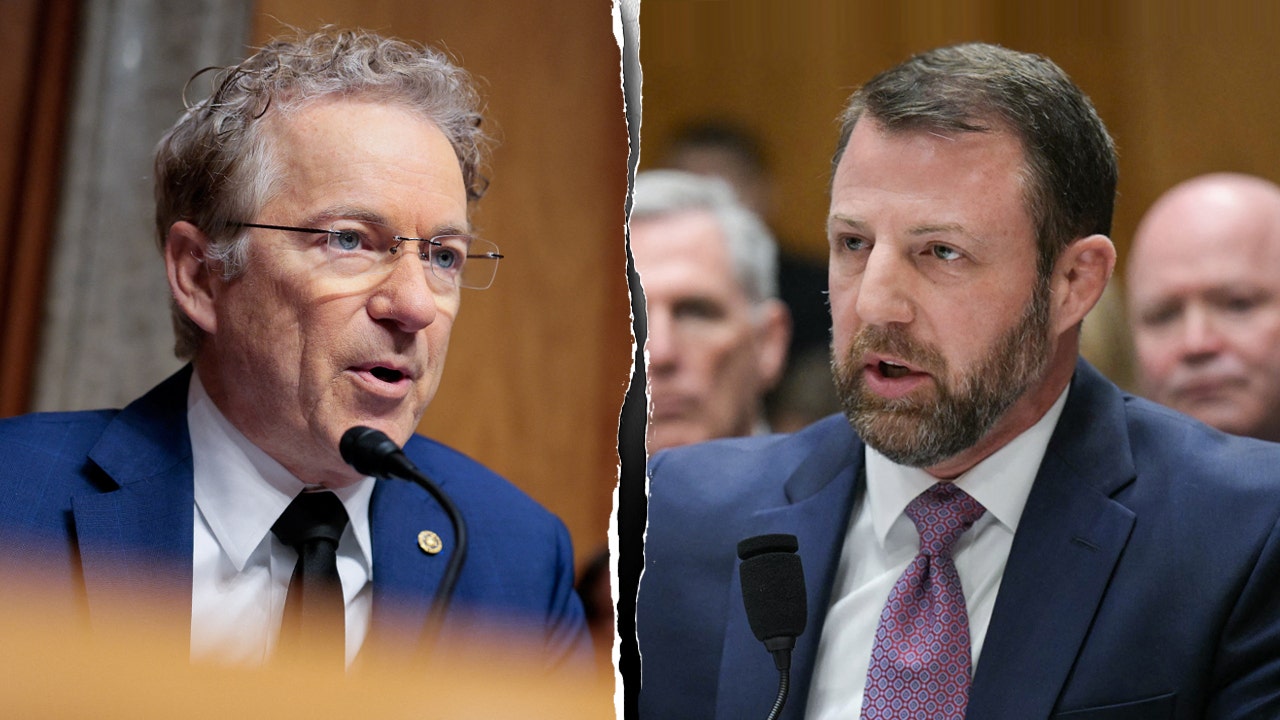
Sen. Markwayne Mullin testified before the Senate Homeland Security and Governmental Affairs Committee as President Donald Trump's nominee to be Secretary of the Department of Homeland Security. The March 18, 2026 hearing was marked by tense exchanges — most notably with Chairman Sen. Rand Paul, who says Mullin previously justified an assault that injured Paul in 2017. Mullin retorted that he is blunt and will speak directly to people’s faces. Democrats, led by Sen. Gary Peters, pressed Mullin on prior public comments about an ICE shooting victim in Minnesota, which Mullin later said he regretted and would not repeat as secretary. Sen. John Fetterman, who has a personal rapport with Mullin, indicated he would keep an open mind and could be a key vote. Concerns were also raised about an undisclosed classified trip Mullin took while in the House; Paul demanded classified briefing or threatened to delay or cancel the committee vote. The hearing occurred amid a prolonged DHS shutdown and under a March 31 deadline set by the president to have Mullin confirmed.
Biblical Reflection
From a biblical perspective, this hearing highlights several recurring moral and spiritual tests around public leadership: the character of those who wield power, the use of speech, the impulse to justify or applaud violence, and the duty of leaders to be candid and accountable. Scripture repeatedly sets a high bar for those entrusted with overseeing others (e.g., “above reproach,” sober-minded, not quick-tempered). Public officials who downplay or tacitly endorse political violence betray a Christian ethic that calls leaders to be peacemakers (Matthew 5:9) and to guard against the corruption that comes from pride and anger (James 3:5–6; Titus 1:7). Likewise, the failure to be transparent about past actions — even for reasons of classification — undermines public trust and the biblical call to honesty (Proverbs 12:22).
At the same time, the Christian response should avoid tribal reflexes. We are called to hold leaders accountable in truth and love (Ephesians 4:15): to demand honesty, restraint in speech, and respect for human dignity, while offering grace when genuine repentance is shown. The ongoing DHS shutdown raises an additional moral concern: policy fights and political maneuvering should not place the safety and wellbeing of the vulnerable and those who serve the public at excessive risk. Christians should pray for wisdom for senators, humility and self-control for nominees, and protection for those served by the agency. Finally, ecclesial discernment requires distinguishing between pragmatic political preferences and core moral failings: applause of violence and concealment of relevant facts are serious red flags; bluntness or partisan disagreement alone do not absolve leaders from correction or preclude charity.
Scripture in context
This outlook does not yet include contextual Scripture citations. Do not treat a general biblical theme as an exegetical conclusion.
Faithful Response
No prescribed response is offered. Consider the reflection prompts below in your own church context.
Reflection and Discussion
- 1When evaluating a public leader, how do I weigh their policy positions against their character and temperament in light of Scripture?
- 2Have I allowed partisan loyalty to blind me to legitimate concerns about honesty, use of force, or accountability? How should I respond differently?
- 3How can I pray and act in ways that both seek justice and extend grace when public figures admit fault or show repentance?
Sources
Reporting links are evidence inputs; Sanctuary News' biblical reflection is commentary.
This outlook currently relies on fewer than two linked sources. Broaden verification before teaching from it.
- 1.Original reportprimary