News Summary
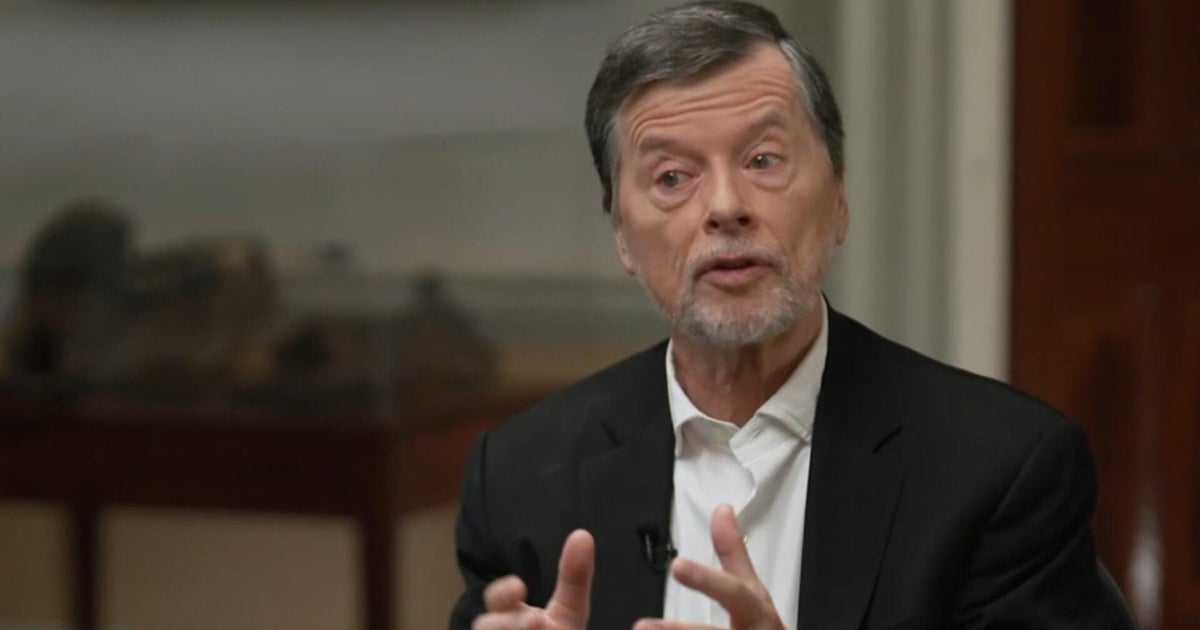
In a CBS News interview, filmmaker Ken Burns called the American Revolution one of the most significant events in world history, saying it created “a very brand new thing called a citizen” and inspired political movements worldwide. Burns argued the Declaration of Independence’s language about equality and rights, though originally exclusionary, inspired later efforts to extend those ideals to groups left out—women, the poor, enslaved and free African Americans, and Native Americans. Burns said telling the “complicated stories” of figures like Thomas Jefferson, Abraham Lincoln, and Rosa Parks enriches national history and makes it accessible to more people. He cited NYU law professor Maggie Blackhawk in noting the document’s significance to those at the margins despite their exclusion from its original promises. Burns discussed the topic ahead of his upcoming PBS film, The American Revolution, expected to air Nov. 16, and promoted additional interview segments on CBS programs.
Biblical Reflection
Burns intends to elevate the American Revolution as both a foundational political development and an inspiring story that still shapes civic imagination. His use of religious language in quoting the Declaration—“endowed by their Creator”—connects national ideals to a moral claim that many Christians recognize, while his emphasis on the Revolution’s uneven legacy acknowledges moral failures such as slavery and indigenous exclusion. The article’s framing is largely celebratory but also self-aware: it credits the Revolution for creating the concept of citizenship while recognizing that the promise was extended imperfectly over time. Christians should welcome attention to truth-telling and complexity—honest history helps repentance, reconciliation, and neighbor-love—but be cautious of converting national origin stories into secular sacraments. The underlying worldview in Burns’s comments is liberal-democratic: human dignity, rights, and civic membership are central goods. That perspective is compatible with Christian concern for justice and human worth, yet it can obscure other sources of moral authority (including the church and the gospel) if the nation itself becomes ultimate ground of hope. Pastoral discernment calls for grateful remembrance of civic good, clear-eyed confession of national sin, and a horizon in which the kingdom of God, not any state, shapes ultimate allegiance.
Scripture in context
This outlook does not yet include contextual Scripture citations. Do not treat a general biblical theme as an exegetical conclusion.
Faithful Response
No prescribed response is offered. Consider the reflection prompts below in your own church context.
Reflection and Discussion
- 1Does celebrating the ideals of the founding require that we also name and repent of the founding’s exclusions?
- 2How does framing the Revolution as a near-religious origin story shape our civic identity—and where should a Christian’s ultimate trust belong?
- 3When history highlights ‘citizenship’ as the highest good, what responsibilities to the vulnerable should that concept demand from us today?
Sources
Reporting links are evidence inputs; Sanctuary News' biblical reflection is commentary.
This outlook currently relies on fewer than two linked sources. Broaden verification before teaching from it.
- 1.Original reportprimary