News Summary
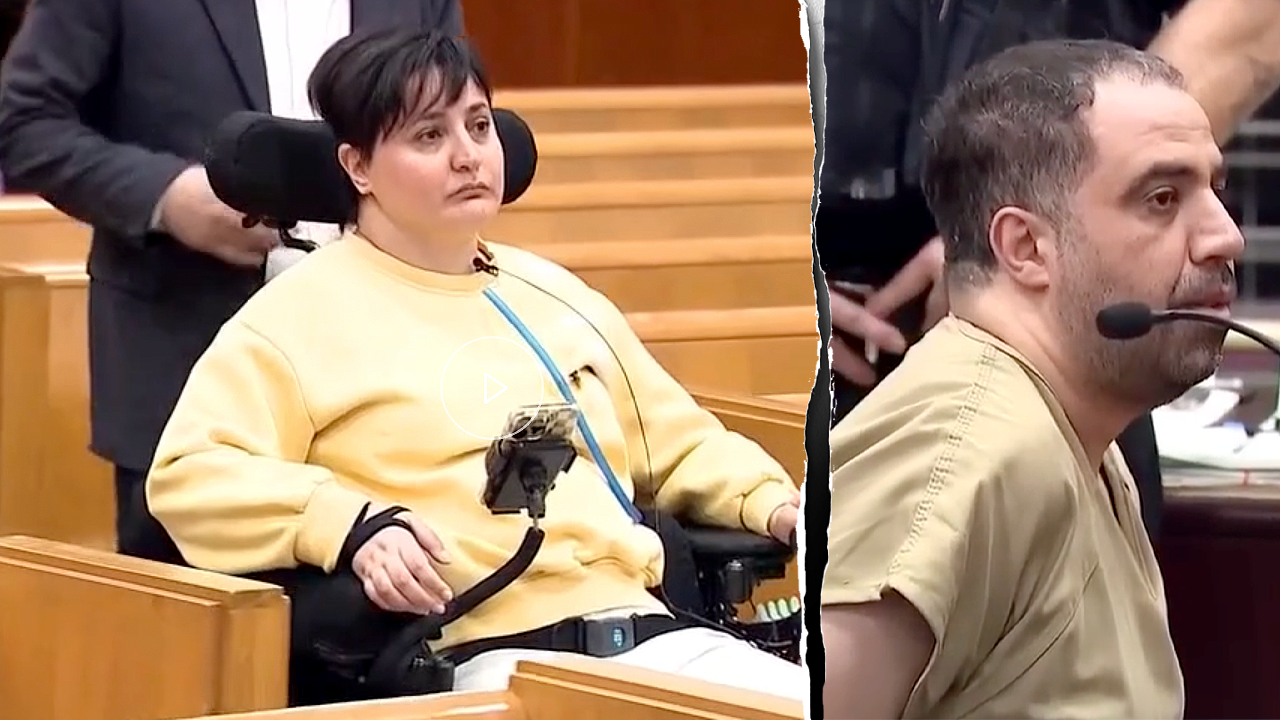
On May 21, 2023, at the Lexington Avenue–63rd Street subway station in Manhattan, Kamal Semrade approached Emine Yilmaz Ozsoy from behind and shoved her head and neck into a departing train. Ozsoy struck the train, was thrown back onto the platform, and suffered a fractured spine. After emergency surgery she remains paralyzed from the shoulders down. Semrade fled the station but was identified after returning to a Queens shelter and placing the clothes he wore through laundry service; he was arrested two days later. A Manhattan jury convicted Semrade of attempted murder and first-degree assault. At sentencing Judge Althea Drysdale imposed a 20-year state prison term—the sentence prosecutors sought—calling the attack “profoundly disturbing” and noting an apparent lack of remorse from the defendant. Ozsoy delivered an emotional victim statement in court describing years of pain, multiple surgeries and therapy, loss of her career, financial hardship, and ongoing anxiety. Prosecutors described the attack as unprovoked; Semrade did not speak during the hearing.
Biblical Reflection
From a Christian perspective, the facts of this case confront us with the reality of human sin and the tangible harm it inflicts on the vulnerable. The article reports straightforward details—crime, injury, identification, conviction, and sentence—and foregrounds the victim’s testimony, which rightly centers the human cost. Biblical truth affirms both the need for just consequences for wrongdoing and the call to compassionate care for those who suffer. Criminal accountability (lawful investigation, conviction, sentencing) reflects a social order that restrains harm and pursues justice (Romans 13:1–4). At the same time, Christians must resist simple binary responses that either revel in punishment or minimize the seriousness of the act. The article’s emotional language and courtroom quotations are appropriate to the victim’s experience but can also prime readers toward outrage; discernment requires separating righteous anger at wrongdoing from a desire for vengeance. The church’s faithful response includes lament for the injured, practical support for ongoing needs (medical, financial, emotional), truthful witness about human brokenness, and prayer for justice, repentance, and restoration where possible. Finally, the piece does not explore deeper causes or the perpetrator’s life beyond brief background notes; while such context can be relevant, it must not be used to excuse violent acts. Christians should hold both the victim’s dignity and the truth of personal responsibility in balance.
Scripture in context
This outlook does not yet include contextual Scripture citations. Do not treat a general biblical theme as an exegetical conclusion.
Faithful Response
No prescribed response is offered. Consider the reflection prompts below in your own church context.
Reflection and Discussion
- 1Does the article’s focus on criminal punishment and courtroom emotion leave space for sustained attention to the victim’s long-term care and the community’s role in supporting her?
- 2Am I responding with righteous grief and a desire for justice, or with personal vengeance and dehumanization of the offender—how does Scripture reframe that impulse?
- 3What practical steps should faith communities take when a neighbor suffers catastrophic injury, beyond following the legal outcome?
Sources
Reporting links are evidence inputs; Sanctuary News' biblical reflection is commentary.
This outlook currently relies on fewer than two linked sources. Broaden verification before teaching from it.
- 1.Original reportprimary