News Summary
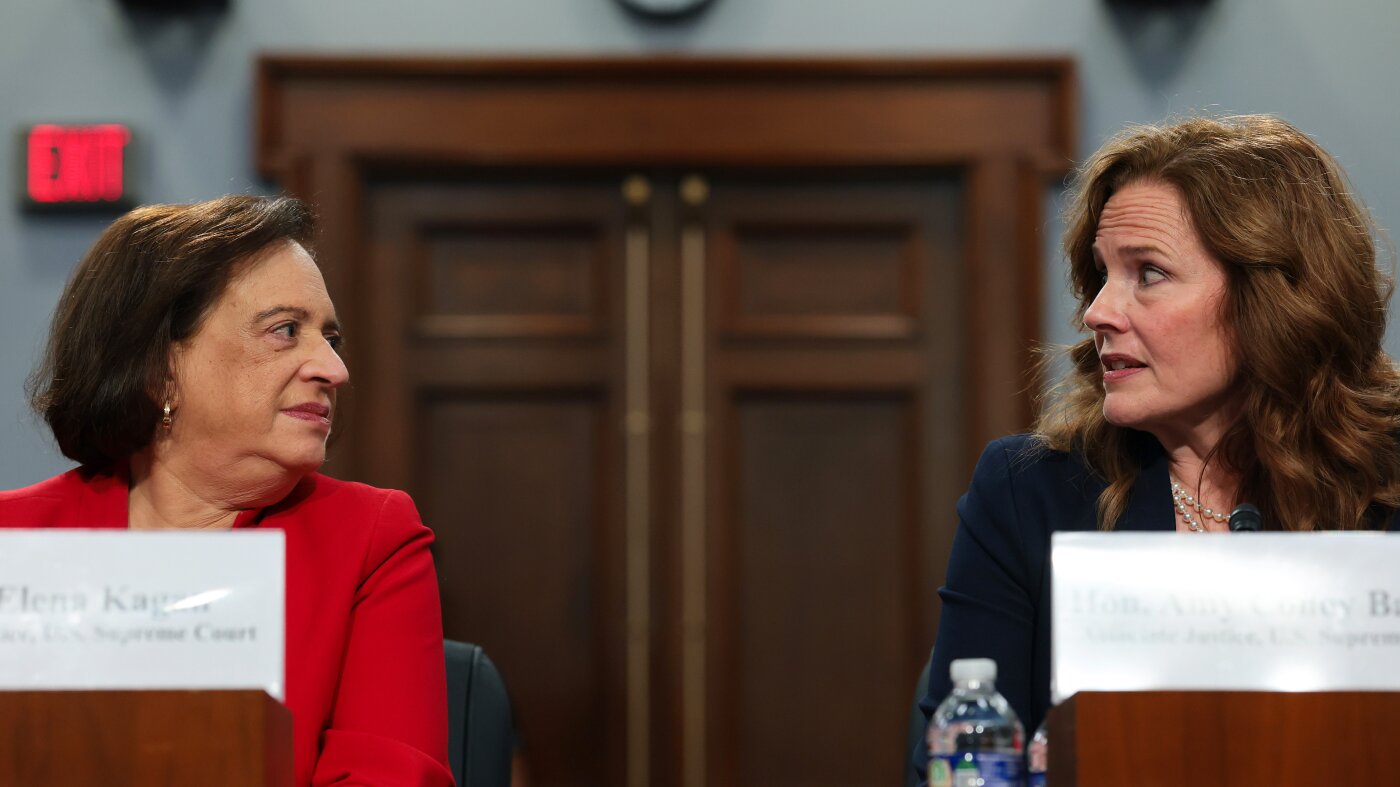
On July 14, 2026 Justices Elena Kagan and Amy Coney Barrett testified before the House Appropriations Committee about the Supreme Court's budget and security needs. The court has increased spending in recent years to expand protective policing and cybersecurity in response to a rise in threats against justices. The justices described personal impacts: Barrett recounted wearing a bulletproof vest at home, a swatting incident at her house, and threats intended to intimidate; Kagan and others noted widespread harassment and references to past attacks on federal judges, including the murder of Judge Esther Salas's son. The Court requested $207 million, which Kagan noted is a small fraction of the federal budget. Lawmakers also questioned the court about ethics rules and gift limits; Kagan expressed support for an enforcement mechanism but warned against Congressional or presidential control, suggesting a panel of retired judges as one option, while Barrett raised concerns about composition and selection. Senators pressed about whether harsh public rhetoric from political leaders could endanger justices. Lawmakers and justices also discussed the Court's growing use of the emergency or 'shadow' docket—orders issued with limited briefing and often little explanation—which some critics say complicates lower courts' ability to apply precedent. The testimony highlighted disagreements about practical reforms and the tension between judicial independence, accountability, and safety.
Biblical Reflection
This article reports a real and serious problem: threats and harassment have materially changed how members of the judiciary live and work. The testimonies show legitimate safety needs for public servants who decide high‑stakes cases, and they raise valid concerns about how aggressive rhetoric and gaps in ethics oversight can undermine institutional trust and personal safety. At the same time, the piece reflects a particular framing—emphasizing vivid personal stories and the link between political language and danger—that invites readers to weigh both facts and interpretation. From a Christian perspective, we should recognize the dual obligations at stake: protect people from harm and preserve institutions that uphold justice. That requires truthfulness (acknowledging real threats), humility (resisting partisan simplifications), courage (speaking against dehumanizing rhetoric), and love of neighbor (seeking justice while safeguarding the court's independence). Proposed reforms—security funding, clearer ethics enforcement, and more transparent procedures—are morally defensible if implemented in ways that respect due process and avoid politicizing the judiciary. Christians should be wary of rhetoric that inflames or reduces opponents to enemies, and advocate for reforms that contribute to peace, accountability, and the rule of law rather than short‑term partisan advantage.
Scripture in context
This outlook does not yet include contextual Scripture citations. Do not treat a general biblical theme as an exegetical conclusion.
Faithful Response
No prescribed response is offered. Consider the reflection prompts below in your own church context.
Reflection and Discussion
- 1How does heated public rhetoric—especially from leaders—affect the safety and impartiality of those who must make unpopular decisions?
- 2What safeguards can ensure judicial accountability without compromising judicial independence or making courts vulnerable to political control?
- 3How should transparency in emergency court decisions be balanced against legitimate needs for speed and confidentiality?
Sources
Reporting links are evidence inputs; Sanctuary News' biblical reflection is commentary.
This outlook currently relies on fewer than two linked sources. Broaden verification before teaching from it.
- 1.Original reportprimary