News Summary
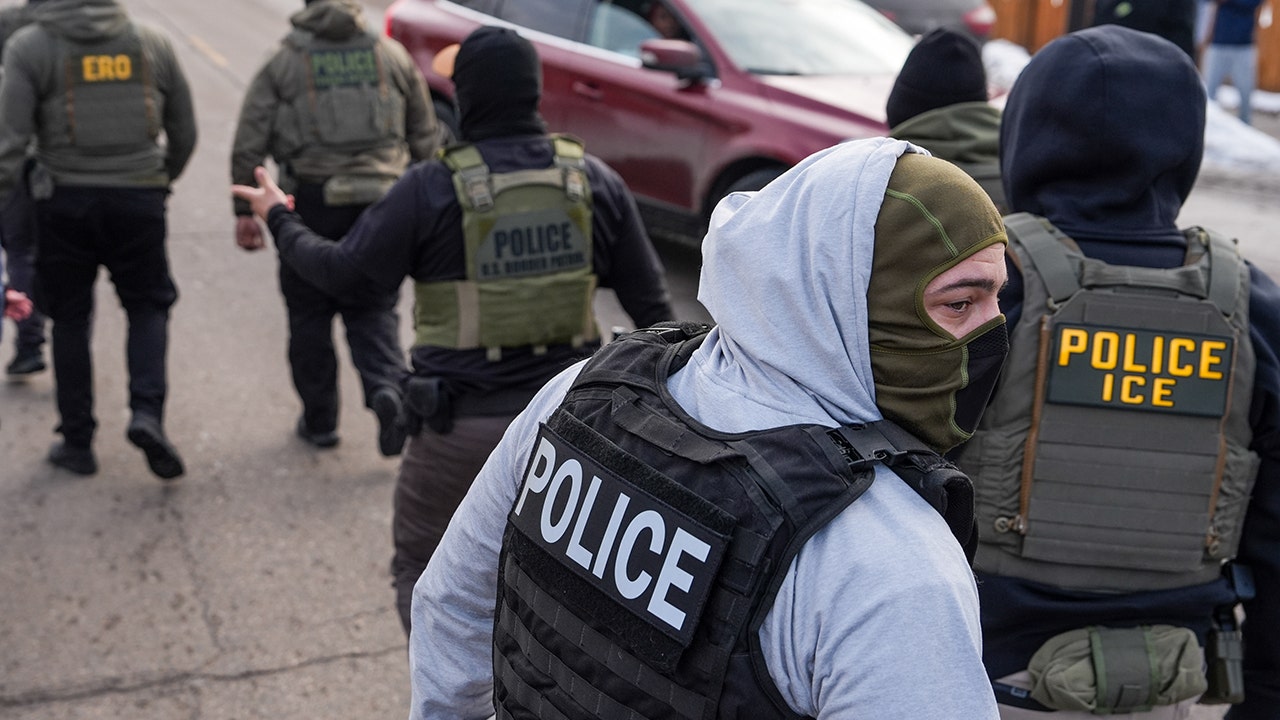
The U.S. Justice Department has sent warnings to several states, including Washington, asserting that state motor vehicle authorities are refusing or pausing issuance of undercover license plates to Department of Homeland Security (DHS) personnel. Deputy Assistant Attorney General Brett Shumate wrote to Washington Attorney General Nicholas Brown that the Washington Department of Licensing continues to issue such plates to local and state police but is declining or inhibiting issuance to DHS, which the DOJ says undermines federal investigations and endangers officers. The DOJ argues the policy discriminates against federal law enforcement and violates the Supremacy Clause; it gave Washington an ultimatum (May 22) to demonstrate compliance or face litigation. Maine publicly paused future issuance of undercover plates for DHS earlier, and Oregon and Massachusetts are reported to be under DOJ scrutiny. The article cites DOJ claims that obstructing undercover plates could alert suspects, compromise operations, and increase risks to officers and the public. Fox News states it contacted the Washington Attorney General and the DOJ for comment.
Biblical Reflection
This story sits at the intersection of legitimate public-safety concerns, federal-state legal conflict, and competing moral commitments. The DOJ’s stated objective—protecting investigators’ identities and preventing harm during enforcement operations—is a valid public-safety claim; if accurate, restrictions that single out federal agents can impede investigations and place people at risk. At the same time, some state actions arise from political and humanitarian objections to federal immigration enforcement tactics. Christians should weigh both the rule-of-law implications (the Constitution grants certain federal authorities primacy) and the biblical call to care for the vulnerable, including migrants. The article is framed by a media outlet that tends to emphasize law-and-order perspectives; readers should note the strong language reported from DOJ (“blatantly unlawful,” “life and death”) and ask what evidence supports those characterizations and whether alternative motives or safeguards on either side are being fully represented. From a biblical worldview, fidelity to lawful authority (Romans 13) and the pursuit of justice and mercy (Micah 6:8) must be held together: we must seek truthful information about risks and legal standing while also scrutinizing policies that may dehumanize or unduly endanger people. Pray for measured truth-telling, lawful process, and policies that protect both the public and the dignity of migrants.
Scripture in context
This outlook does not yet include contextual Scripture citations. Do not treat a general biblical theme as an exegetical conclusion.
Faithful Response
No prescribed response is offered. Consider the reflection prompts below in your own church context.
Reflection and Discussion
- 1What assumptions underlie the DOJ’s life-and-death framing, and what evidence would fairly confirm or challenge that claim?
- 2How should Christians balance respect for lawful authority with compassion for migrants when state and federal priorities conflict?
- 3Whose perspectives or data are missing from the article (e.g., specific examples of compromised operations, or the states' stated reasons), and how would that additional information change your assessment?
Sources
Reporting links are evidence inputs; Sanctuary News' biblical reflection is commentary.
This outlook currently relies on fewer than two linked sources. Broaden verification before teaching from it.
- 1.Original reportprimary