News Summary
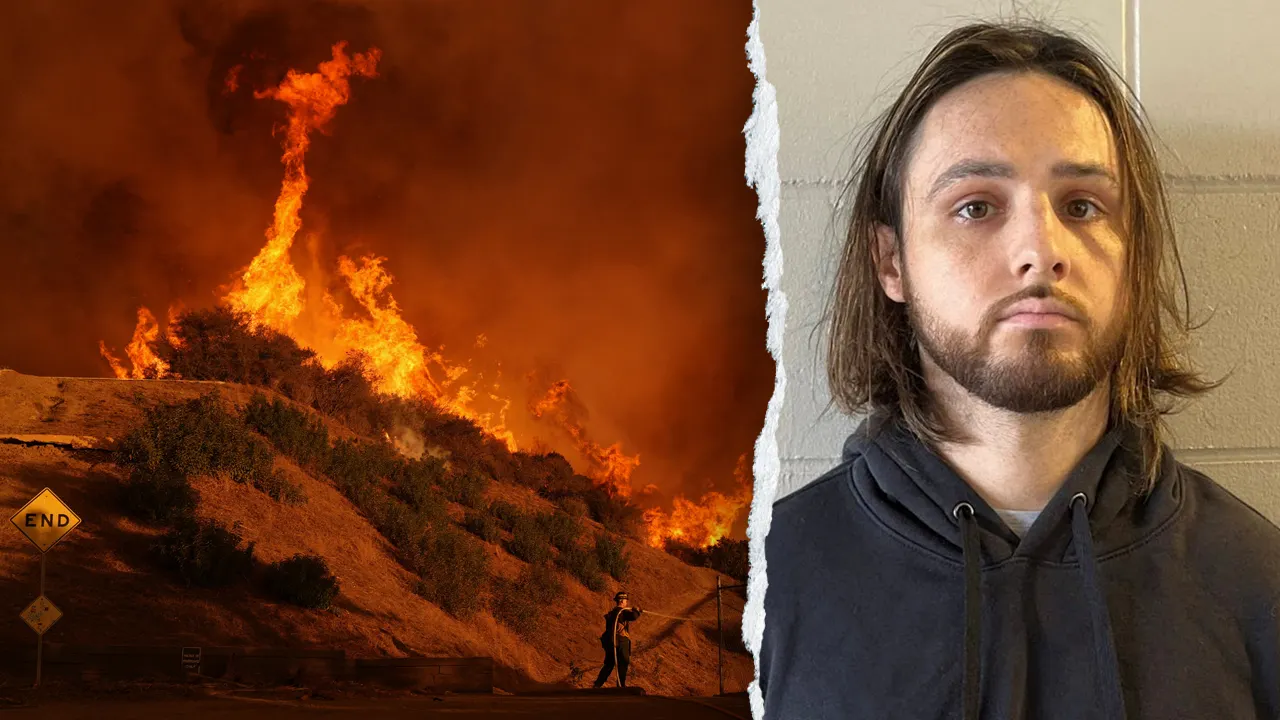
After a 10-day federal trial, jurors in the case against Jonathan Rinderknecht told the judge they were deadlocked on Thursday following two days of deliberations; earlier the jury foreman first indicated a verdict had been reached, then sent a second note saying they were at a standstill and could not reach a unanimous verdict. The judge asked whether additional instructions or rereading testimony would help; the jury replied no and was ordered to resume deliberations the next morning. Rinderknecht, 30, is charged in federal court with destruction of property by means of fire, arson affecting property used in interstate commerce, and timber set afire; he has pleaded not guilty. Prosecutors say he was motivated by anger, loneliness and resentment toward the wealthy; defense counsel argues there is no physical evidence linking him to the destruction and that the Lachman and Palisades fires were separate events. The Palisades Fire began as a brush fire on Jan. 1, 2025, smoldered underground, and was later fanned by Santa Ana winds on Jan. 7 into a conflagration that burned roughly 23,000 acres, destroyed about 6,800 structures, resulted in at least a dozen deaths, and became one of the most destructive and costly fires in Los Angeles County and U.S. history. If the jury remains deadlocked, the judge may declare a mistrial and federal prosecutors would decide whether to retry the case.
Biblical Reflection
This report presents facts of the trial and the scale of the tragedy while also relaying competing legal narratives; as Christians we should hold to the twin commitments of seeking truth and showing mercy. The courtroom exists to determine guilt through due process — allegations of motive presented by prosecutors are claims to be proven, and defense challenges remind us that uncertainty often remains in complex cases. The suffering of victims and the community is real and urgent, and the desire for accountability is legitimate; at the same time, public discourse should resist premature condemnation of the accused and avoid treating prosecutorial characterizations as settled fact. Watch for framing that emphasizes sensational motive or class resentment language — such frames can inflame public opinion and obscure evidentiary questions. Spiritually, the situation calls for patient pursuit of justice, compassion for those who lost homes and lives, honest appraisal of systemic factors like mental health and isolation without excusing wrongdoing, and humility about what we can know apart from the court's findings.
Scripture in context
This outlook does not yet include contextual Scripture citations. Do not treat a general biblical theme as an exegetical conclusion.
Faithful Response
No prescribed response is offered. Consider the reflection prompts below in your own church context.
Reflection and Discussion
- 1Are we accepting prosecutorial characterizations of motive as fact, or holding them as allegations that require proof beyond a reasonable doubt?
- 2How does the media's focus—on motive, on damage statistics, or on courtroom drama—shape our sympathy for victims and the accused?
- 3What social or systemic realities (mental health, isolation, inequality) are being highlighted or ignored, and do they risk being used to excuse criminal acts?
Sources
Reporting links are evidence inputs; Sanctuary News' biblical reflection is commentary.
This outlook currently relies on fewer than two linked sources. Broaden verification before teaching from it.
- 1.Original reportprimary