News Summary
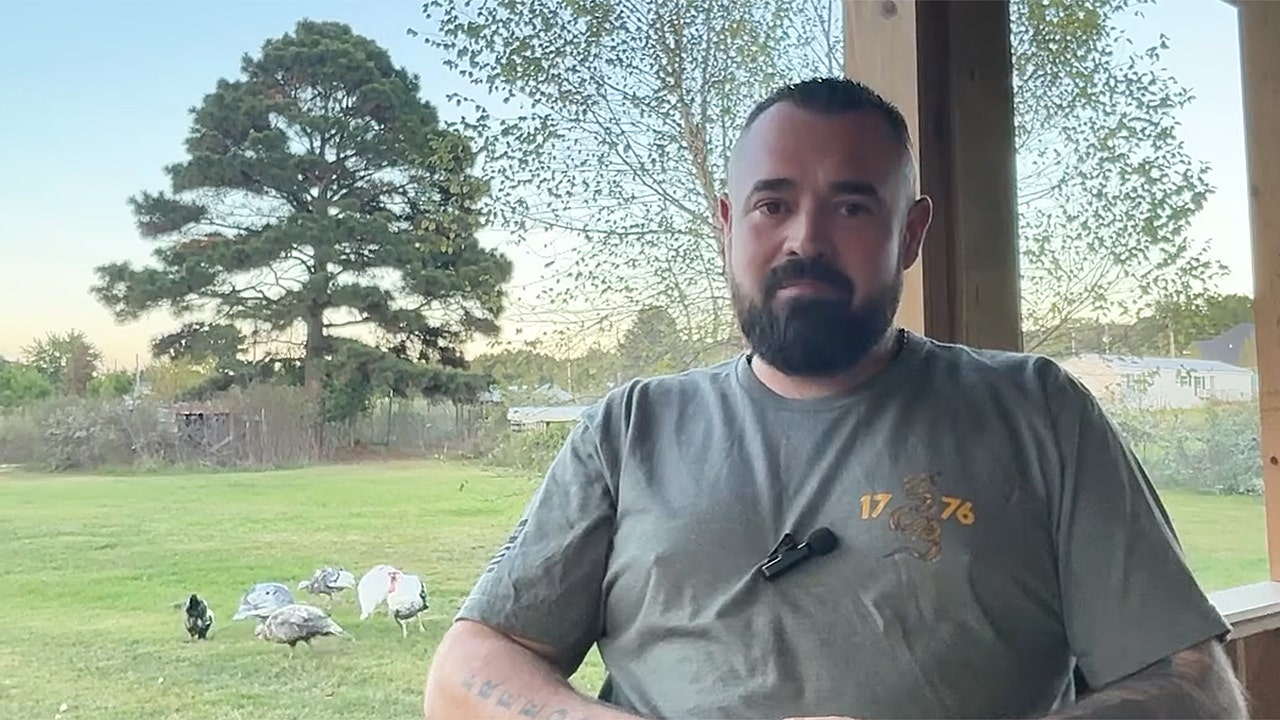
A Lonoke County judge, Special Circuit Court Judge Ralph Wilson Jr., dismissed second-degree murder charges against Aaron Spencer, an Army veteran and candidate for Lonoke County sheriff, in the October 8, 2024 shooting death of 67-year-old Michael Fosler. Prosecutors had alleged Spencer forced Fosler’s pickup off the road after finding Fosler alone with Spencer’s teenage daughter and then shot him; Spencer called 911 and admitted to the shooting but pleaded not guilty. Court documents say Fosler had previously been charged with multiple sexual offenses against Spencer’s daughter and was out on bond. The judge cited law enforcement’s mishandling and the loss of the dash-camera SD card from Spencer’s truck, concluding the missing evidence impaired Spencer’s ability to defend himself and warranted dismissal. The dismissal was described in court as an “extraordinary and extreme remedy” based on the totality of circumstances. The Lonoke County prosecuting attorney will decide whether to refile charges. Spencer had recently won the Republican primary for Lonoke County sheriff; the case had been scheduled for trial on June 22.
Biblical Reflection
This report highlights competing moral goods and failures: the trauma of an alleged victim and family, the seriousness of a fatal shooting, and the civic importance of thorough, transparent investigative work. The judge’s ruling centers on procedural fairness — when critical evidence is lost or mishandled, the ability of a defendant to receive a fair trial is compromised. At the same time, the article names prior criminal accusations against the deceased, which shape public sympathy and political narratives. Christians should resist quick judgment or celebration of either outcome. Truth seeking requires careful attention to facts and process; mercy calls us to care for the alleged victim and family; humility warns against treating this case as a public spectacle or assuming we know all motives. The article’s framing — emphasis on the missing SD card and Spencer’s candidacy — may steer readers toward sympathy for the defendant, while offering limited reporting on the experiences of the alleged victim. Pastoral discernment asks us to hold justice and compassion together, to pray for transparent institutions, and to advocate for systems that protect the vulnerable while safeguarding fair legal process.
Scripture in context
This outlook does not yet include contextual Scripture citations. Do not treat a general biblical theme as an exegetical conclusion.
Faithful Response
No prescribed response is offered. Consider the reflection prompts below in your own church context.
Reflection and Discussion
- 1How does the loss or mishandling of evidence change your confidence in legal outcomes, and how should Christians respond when institutions fail?
- 2When a case combines alleged sexual abuse, a parent’s violent response, and political ambition, whose voices are most at risk of being marginalized in public reporting?
- 3Are we holding both the desire for swift protection of the vulnerable and the need for due process in healthy tension, or privileging one at the expense of the other?
Sources
Reporting links are evidence inputs; Sanctuary News' biblical reflection is commentary.
This outlook currently relies on fewer than two linked sources. Broaden verification before teaching from it.
- 1.Original reportprimary