News Summary
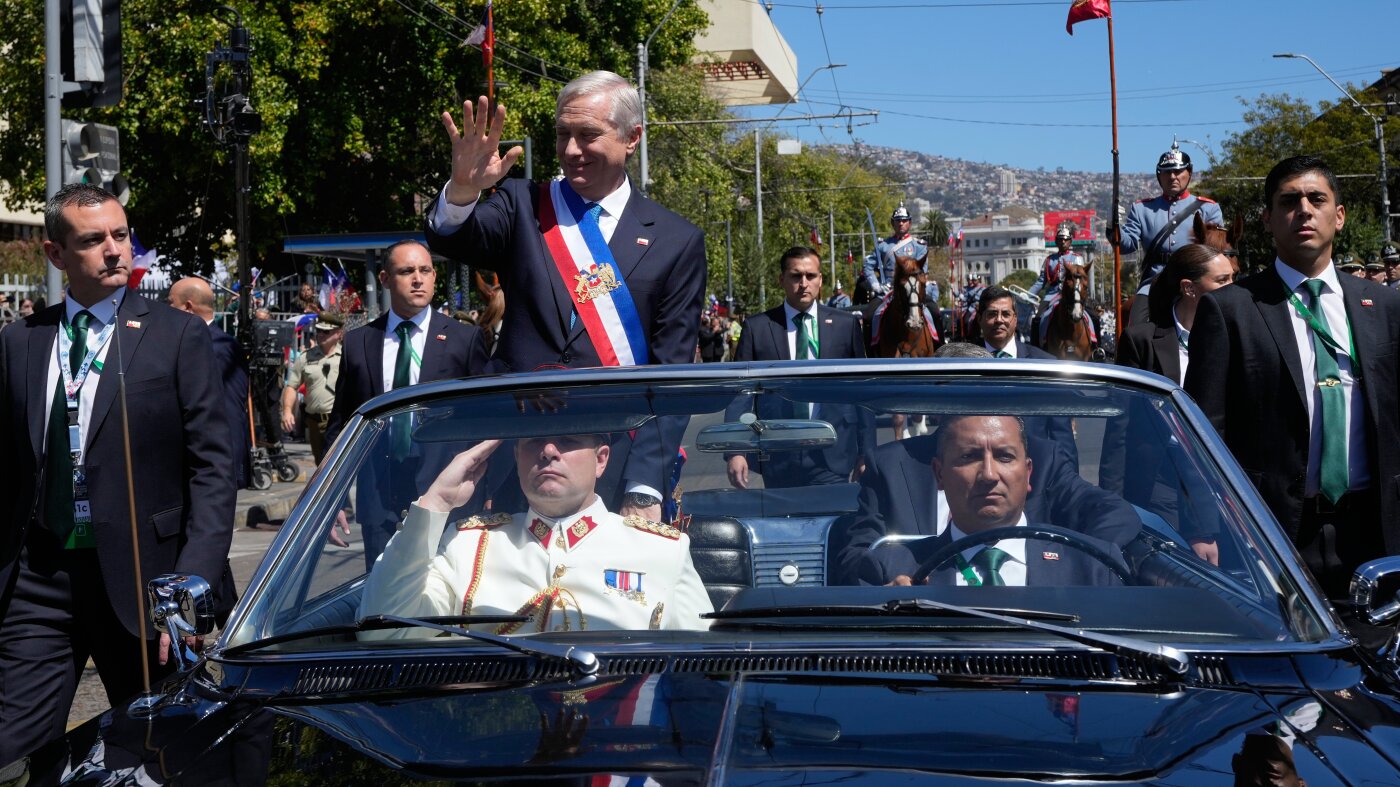
José Antonio Kast was inaugurated as Chile's president in Valparaíso after winning a December runoff with over 58% of the vote, replacing leftist Gabriel Boric. A long‑time far‑right politician and ultraconservative Catholic, Kast campaigned on hardline public security and strict immigration controls, presenting his four‑year term as an "emergency" government focused on those issues. During his career he opposed measures such as limited abortion and divorce legalization, founded the Republican Party in 2019 emphasizing pro‑life and family values, and has publicly defended the legacy of General Augusto Pinochet. Kast downplayed some of his more divisive moral rhetoric during the campaign. His family background—his father served in the Wehrmacht and was a member of the Nazi Party before emigrating to South America—is noted alongside local reactions: some in Kast’s hometown recall a pious family business, while others—especially relatives of people forcibly disappeared under Pinochet—fear for memorials, truth‑telling, and justice. Analysts expect Kast to prioritize border control and may increase military presence at borders to address migration and security concerns.
Biblical Reflection
From a biblical standpoint this story raises complex and competing concerns. On one hand, emphasis on public order, the protection of life, and healthy families can reflect aspects of Scripture’s concern for human flourishing and social stability (e.g., protecting the vulnerable, promoting responsible stewardship). On the other hand, the article highlights affinities with authoritarianism and a defense of a repressive past—stances Scripture repeatedly condemns when they lead to oppression, violence, and the silencing of victims (Isaiah 1:17; Micah 6:8). Christians are called to hold both truth and mercy: to seek justice for those who suffered (remembering and honoring victims rather than erasing their stories) while extending compassion to immigrants and those who fear change. Political allegiance should never supplant obedience to God’s call to justice, humility, and love (Matthew 22:37–40).
The rise of a leader who mixes policies Christians might affirm with troubling rhetoric and historical defenses requires sober discernment. We must test rhetoric and policy against Scripture: does a policy protect the weak and promote dignity, or does it concentrate power and excuse past wrongs? Christians should pray for wise governance, advocate for accountability and truth‑telling where abuses occurred, and minister compassionately to those most affected by security measures—migrants, victims of past regimes, and families in need. Finally, the church’s vocation is prophetic and pastoral: to speak truth to power, to comfort the grieving, and to model repentance and reconciliation without forgetting justice.
Scripture in context
This outlook does not yet include contextual Scripture citations. Do not treat a general biblical theme as an exegetical conclusion.
Faithful Response
No prescribed response is offered. Consider the reflection prompts below in your own church context.
Reflection and Discussion
- 1Which aspects of a leader’s platform reflect biblical concerns for human dignity and which raise warning signs about justice or authoritarianism?
- 2How can Christians hold grief and memory for victims of past abuses while also seeking mercy and reconciliation in a politically divided context?
- 3In what practical ways can my local church care for immigrants and those harmed by violence or repression, regardless of political shifts?
Sources
Reporting links are evidence inputs; Sanctuary News' biblical reflection is commentary.
This outlook currently relies on fewer than two linked sources. Broaden verification before teaching from it.
- 1.Original reportprimary