News Summary
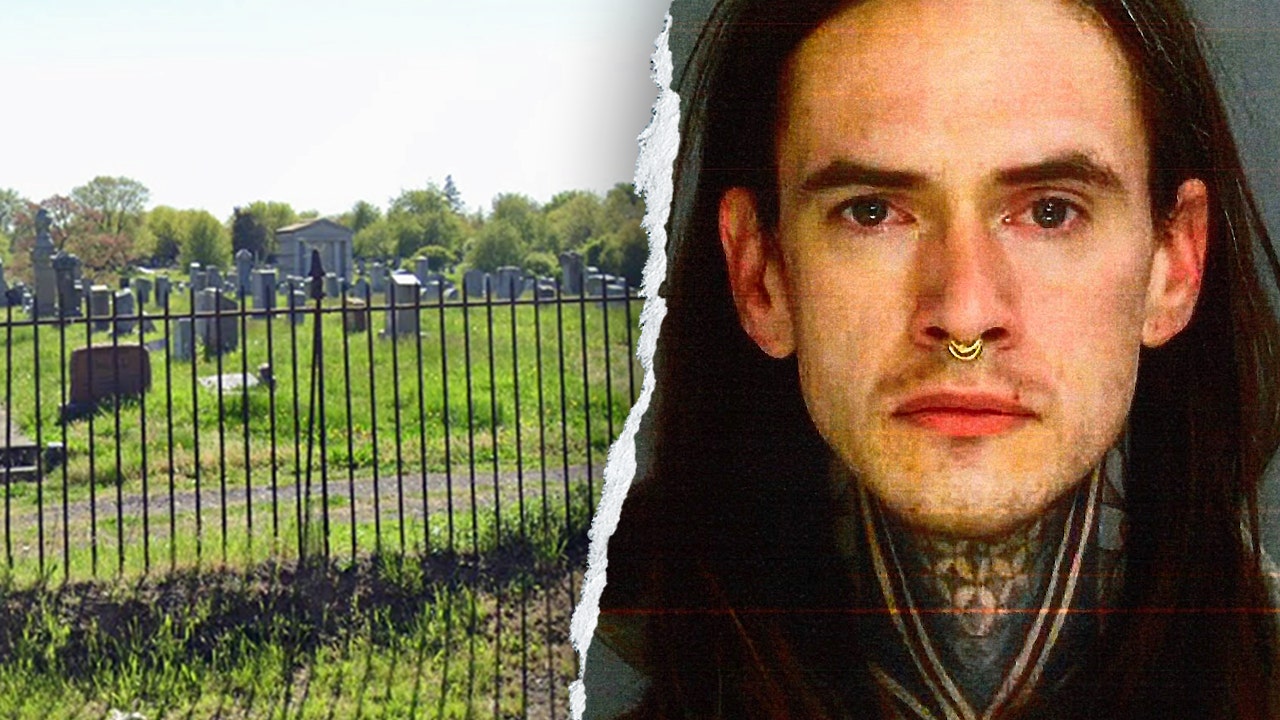
Jonathan Gerlach, 34, appeared in Delaware County court after his January 6, 2026 arrest at Mount Moriah Cemetery. Authorities recovered more than 100 full or partial sets of human remains from his home in Ephrata and a storage unit; some remains are believed to be centuries old and others to be infants. Officers say surveillance earlier observed bones and skulls in Gerlach’s vehicle and later saw him leaving the cemetery carrying tools and a burlap bag. Prosecutors say he admitted to stealing about 30 sets of remains; investigators recovered many more. Gerlach faces nearly 500 charges, including burglary, abuse of a corpse, and desecration of monuments; prosecutors removed two burglary counts at a recent hearing but added charges connected to alleged break-ins in Lancaster and Luzerne counties. He waived an evidentiary hearing, remains jailed with bail set at $1 million, and court records do not yet show a plea or identified defense counsel. District Attorney Tanner Rouse publicly described the discoveries; families of those buried at Mount Moriah have expressed distress.
Biblical Reflection
From a Christian perspective this story raises several clear moral concerns: the intrinsic dignity of every human person (living or dead), the duty of civil authorities to pursue truth and justice, and the pastoral need to care for grieving families. The article conveys factual developments but also uses emotive language (quoting the DA’s “horror movie” remark) that amplifies shock; that framing can be understandable given the facts, but it risks reducing complex legal and pastoral realities to spectacle. Christians should evaluate the narrative by separating provable facts (recoveries, charges, court actions) from rhetoric and by remembering the theological claim that human beings are made in God’s image — which calls us to respect bodies and burial sites. At the same time, a Christian response must hold two truths together: call for thorough, impartial investigation and lawful accountability, and extend compassion, pastoral presence, and care for survivors and families. Beware of voyeuristic curiosity that treats suffering as entertainment; instead insist on justice, truthfulness in reporting, and concrete support for those harmed.
Scripture in context
This outlook does not yet include contextual Scripture citations. Do not treat a general biblical theme as an exegetical conclusion.
Faithful Response
No prescribed response is offered. Consider the reflection prompts below in your own church context.
Reflection and Discussion
- 1How does language like “horror movie” shape our emotional response—and does that framing help or hinder a sober search for facts and justice?
- 2What assumptions about human dignity allow someone or society to treat human remains as objects, and how does Scripture challenge those assumptions?
- 3Are we giving appropriate attention to the needs of grieving families and the procedural fairness of the investigation, rather than allowing the case to become mere spectacle?
Sources
Reporting links are evidence inputs; Sanctuary News' biblical reflection is commentary.
This outlook currently relies on fewer than two linked sources. Broaden verification before teaching from it.
- 1.Original reportprimary